

UPDATE 2-Saudi, UAE trying to avoid civilian harm in Yemen - Pompeo
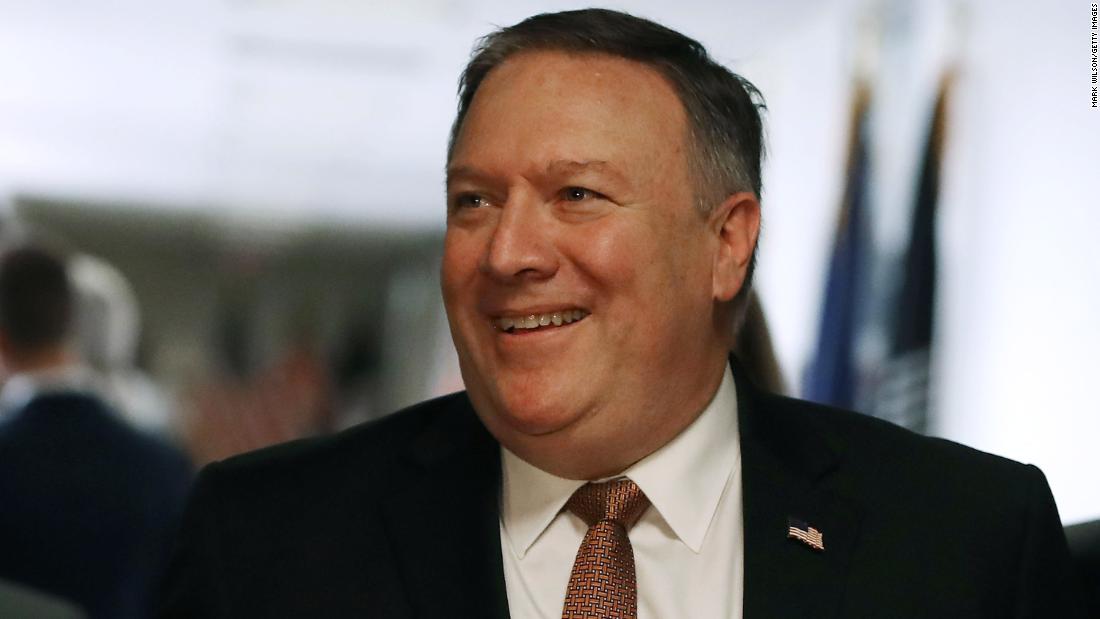
WASHINGTON, Sept 12 (Reuters) - U.S. Secretary of State Mike Pompeo said on Wednesday he had certified to Congress that Saudi Arabia and the United Arab Emirates were working to avoid harming civilians in Yemen, clearing the way for continued U.S. help for its ally Saudi Arabia.
Pompeo said in a statement he had advised Congress on Tuesday that "the governments of Saudi Arabia and the United Arab Emirates are undertaking demonstrable actions to reduce the risk of harm to civilians and civilian infrastructure resulting from military operations of these governments."
The 3-year-old war in Yemen, widely seen as a proxy battle between regional rivals Saudi Arabia and Iran, has killed more than 10,000 people.
U.S. lawmakers, concerned about a growing humanitarian crisis, included a measure in this year's defense spending bill that required Pompeo to certify by Wednesday whether Saudis and UAE were taking meaningful measures to reduce civilian casualties and allow humanitarian aid.
Without the certification, the law would prohibit the United States from refueling ally Saudi Arabia's planes.
The decision is likely to draw criticism from human rights groups and comes after the Saudi-led coalition in Yemen acknowledged that its air attack last month killed dozens of people, including children traveling on a bus.
U.S. Defense Secretary James Mattis said he backed Pompeo's finding that Saudi Arabia and UAE "are making every effort to reduce the risk of civilian casualties and collateral damage to civilian infrastructure resulting from their military operations to end the civil war in Yemen."
Saudi Arabia is leading a Western-backed alliance of Sunni Muslim Arab states to try to restore the internationally recognized government of Yemeni President Abd-Rabbu Mansour Hadi, ousted from the capital Sanaa by the Iran-aligned Houthis in 2015.
The United States and other Western powers provide arms and intelligence to the alliance. Human rights groups have criticized them over coalition air strikes that have killed hundreds of civilians at hospitals, schools, and markets.
The Pentagon believes that its assistance, which includes refueling coalition jets and training in targeting, helps reduce civilian casualties.
In Geneva, U.N. human rights experts said last month that air strikes by the Saudi-led coalition in the war have caused heavy civilian casualties and that some may amount to war crimes.


 Google News