

Transforming Agriculture for a Sustainable Future: World Bank’s New Toolkit
The World Bank's new toolkit, "Repurposing Agricultural Support Policies for Sustainable Food Systems Toolkit," guides repurposing agricultural support policies for sustainable food systems. It emphasizes setting a clear agenda, monitoring expenditures, analyzing price incentives, evaluating impacts, and navigating the political economy to help policymakers align agricultural policies with sustainability goals.
 Devdiscourse News Desk
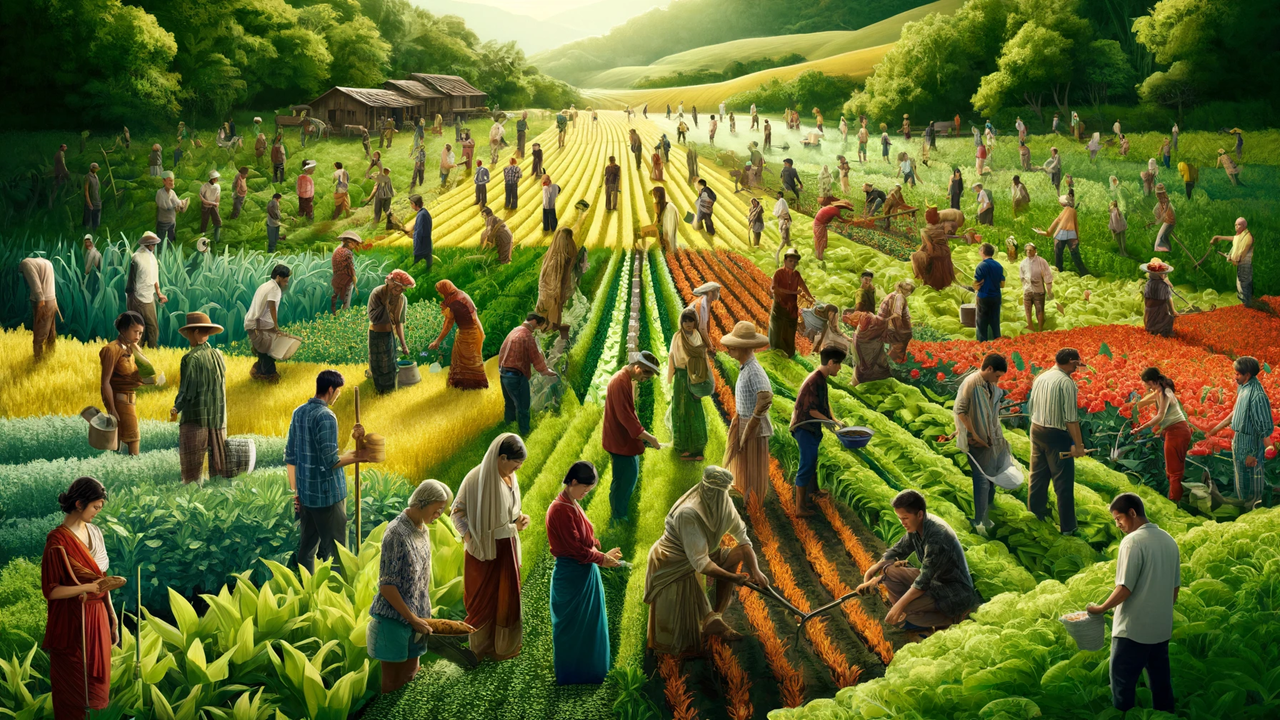
The World Bank has unveiled a groundbreaking toolkit, "Repurposing Agricultural Support Policies for Sustainable Food Systems Toolkit," designed to assist policymakers and practitioners in reforming agricultural support policies. As the global agrifood system grapples with increasing challenges, this toolkit offers a strategic roadmap to align agricultural policies with sustainability, equity, and resilience goals.
Setting the Stage for Change
Agriculture is a cornerstone of many economies, but traditional support policies often fail to ensure long-term sustainability. The World Bank's toolkit starts by setting the agenda for repurposing these policies. This involves a deep dive into a country's economic context, including its socioeconomic status, the significance of agriculture, and current policy frameworks.
Understanding the economic landscape is crucial. It helps policymakers appreciate the role of agriculture in their economies, recognize the sector's challenges, and align agricultural policies with broader development goals. By mapping key policies, identifying stakeholders, and assessing policy coherence, countries can lay the groundwork for effective policy reform.
Monitoring Public Expenditures
A key focus of the toolkit is on public expenditures in agriculture. Tracking public spending and conducting thorough expenditure reviews are essential for understanding resource allocation and effectiveness.
The toolkit provides detailed guidance on collecting, preparing, and classifying expenditure data. By calculating public expenditure indicators, policymakers can identify inefficiencies and areas for improvement. This data-driven approach ensures that public funds are used effectively to support sustainable agricultural practices.
Analyzing Price Incentives
Price incentives significantly influence agricultural production decisions. The toolkit offers a detailed analysis of key price incentive indicators, including their definitions, calculation methods, and interpretation. Understanding these indicators is vital for assessing the impact of current policies on agricultural prices and production.
The guide for price incentive analysis includes step-by-step instructions for conducting this analysis. It covers methodologies for estimating price gaps, nominal rates of protection, and assistance. This thorough approach enables policymakers to evaluate the effects of price incentives on their agricultural sectors and make informed decisions to promote sustainability.
Evaluating Policy Impacts
To ensure that repurposed policies achieve their goals, it is crucial to evaluate their impacts. The toolkit outlines various methodologies for both retrospective and prospective analysis, helping policymakers understand the effectiveness of existing policies and predict the outcomes of new ones.
The toolkit discusses simulation-based modeling methods and econometric approaches in detail, along with qualitative methods for comprehensive evaluation. By employing multiple evaluation methods, policymakers can gain a complete view of policy impacts and identify the best strategies for promoting sustainable agriculture.
Navigating the Political Economy
Policy reform involves more than just technical changes; it requires navigating complex political landscapes. The toolkit explores the political economy of policy repurposing, providing frameworks and practical steps for conducting political economy analysis.
Understanding political dynamics is key to identifying feasible repurposing options. By using frameworks like the Advocacy Coalition Framework and the Multiple Streams Framework, policymakers can map out stakeholder interests, anticipate resistance, and develop strategies to secure support for policy reforms.
The World Bank's "Repurposing Agricultural Support Policies for Sustainable Food Systems Toolkit" is an essential resource for countries aiming to transform their agricultural sectors. It emphasizes a holistic approach to repurposing agricultural support, tailored to each country's unique context. By setting a clear agenda, monitoring public expenditures, analyzing price incentives, evaluating policy impacts, and understanding the political economy, policymakers can drive significant progress toward sustainable agrifood systems.
As the global community faces the urgent need for sustainable development, this toolkit provides a practical and comprehensive guide for aligning agricultural policies with environmental sustainability, economic resilience, and social equity.


 Google News