

Biden's Wheat Initiative Struggles Amid Economic Pressures
The Biden administration's efforts to boost U.S. wheat plantings to counteract shortages caused by the Ukraine war are facing challenges due to low wheat prices and continued Black Sea exports. As wheat acreage declines, concerns about global supply and economic viability grow among American farmers.
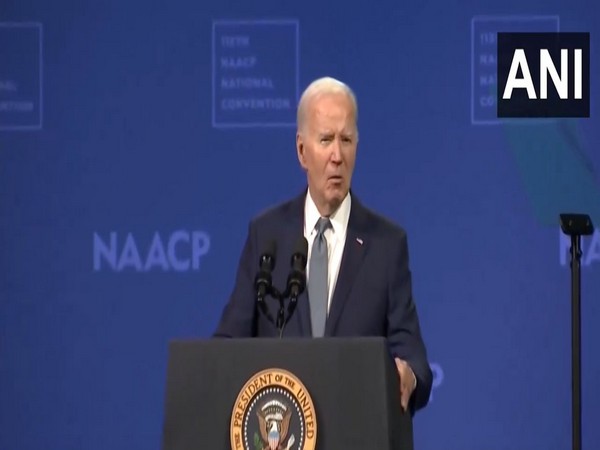
The Biden administration's push to increase U.S. wheat plantings following the Ukraine war is encountering obstacles as wheat prices remain at their lowest in four years, and Black Sea region exports continue to dampen demand for American grain.
Despite an initial surge in wheat acreage last year due to soaring prices following Russia's 2022 invasion of Ukraine, U.S. plantings dropped nearly 5% this year. Farmers planting less wheat within the world's fourth-largest wheat-exporting country raises global supply concerns amid tightening reserves and unpredictable weather affecting crop yields.
President Joe Biden's visit to Illinois in 2022 highlighted efforts to mitigate a potential wheat shortage prompted by the conflict in Ukraine, a significant grain producer. The administration leveraged crop insurance, particularly for soybeans planted after wheat, to encourage more wheat farming. However, the initiative has seen limited success due to the plunge in wheat prices and the complexity of crop insurance policies.


 Google News