

India's Crop Insurance Woes: Farmers Struggle in Climate-Vulnerable Regions
India's crop insurance system is failing farmers in high-risk areas by charging higher premiums but offering less coverage. Technological solutions like digital crop surveys can improve transparency and effectiveness. The scheme is crucial for farmers facing increasing climate change impacts.
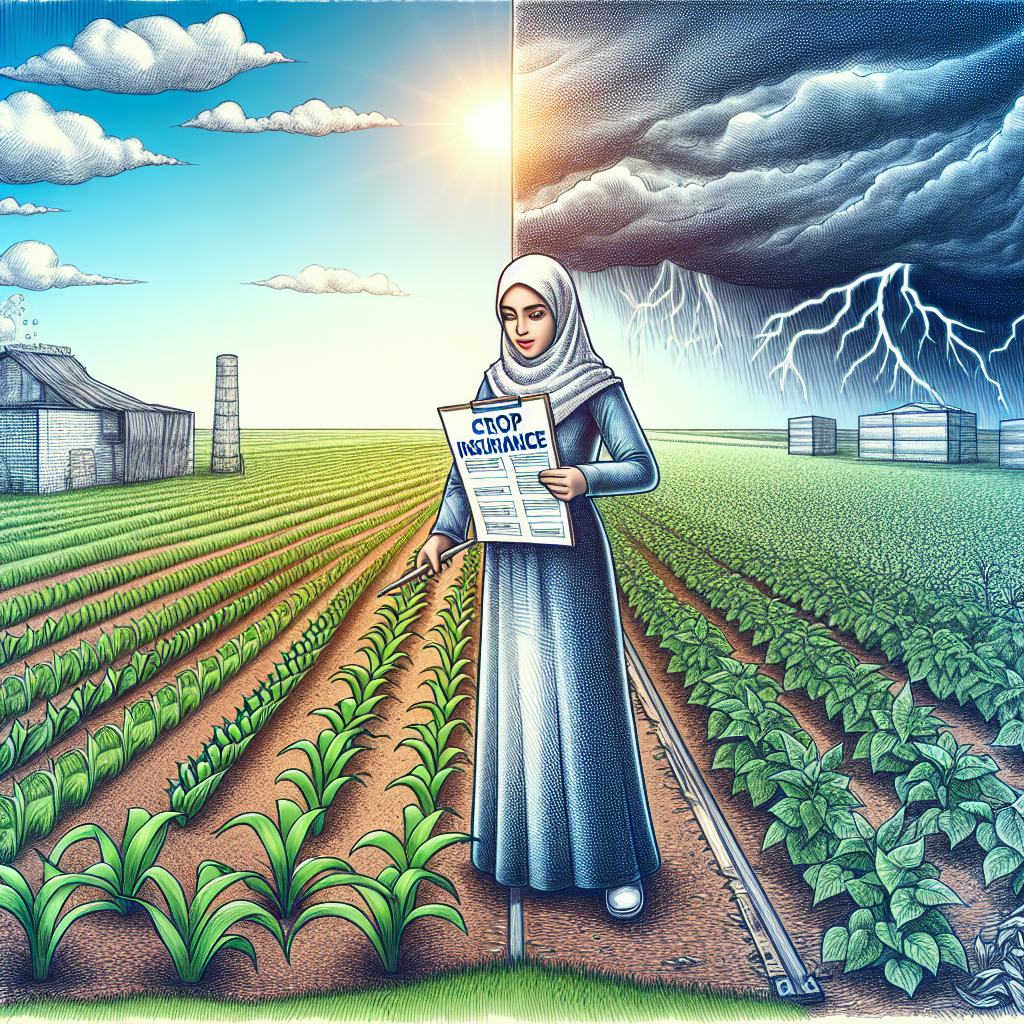
India's crop insurance system is leaving farmers in climate-vulnerable areas struggling to cope. Despite paying higher premiums, these farmers receive insufficient coverage, undermining their resilience against adverse weather events. The governmental scheme, intended as a safety net, is falling short, prompting calls for urgent reform.
An analysis by the Centre for Science and Environment (CSE) reveals that farmers in high-risk districts pay significantly higher premiums yet receive lower payouts compared to those in lower-risk areas. This disparity exacerbates the challenges faced by farmers like Dileep Patidar, whose insurance claims remain unsettled, adding to their financial instability.
To address these issues, experts suggest leveraging technology, such as digital crop surveys, to improve efficiency and transparency. Such innovations are poised to enhance crop yield precision, ultimately making the insurance scheme more reliable and equitable for the nation's agricultural backbone.
ALSO READ
-
Japanese Lawmakers Visit India to See Worker Protection and Skills Projects in Action
-
Indian Unions Push for Fair Recruitment and Rights for Care Workers in Germany
-
Cleaner Kitchens, Polluted Skies: Hidden Health Cost of India’s Electricity Boom
-
Lebanon and ILO Move to Modernize Cooperatives and Strengthen Rural Livelihoods
-
Japan-Backed ILO Projects Help 23,000 Workers Gain Rights and Fight Child Labour


 Google News