

Yuan's Decline Amid Trade War Tensions: A Delicate Balancing Act
China's currency, the yuan, hit its weakest against the dollar since 2007, amidst ongoing Sino-U.S. trade tensions. The central bank is attempting to manage the currency's depreciation without triggering capital outflows or financial instability. Meanwhile, Hong Kong sees significant stock inflows, benefiting from a strong dollar.
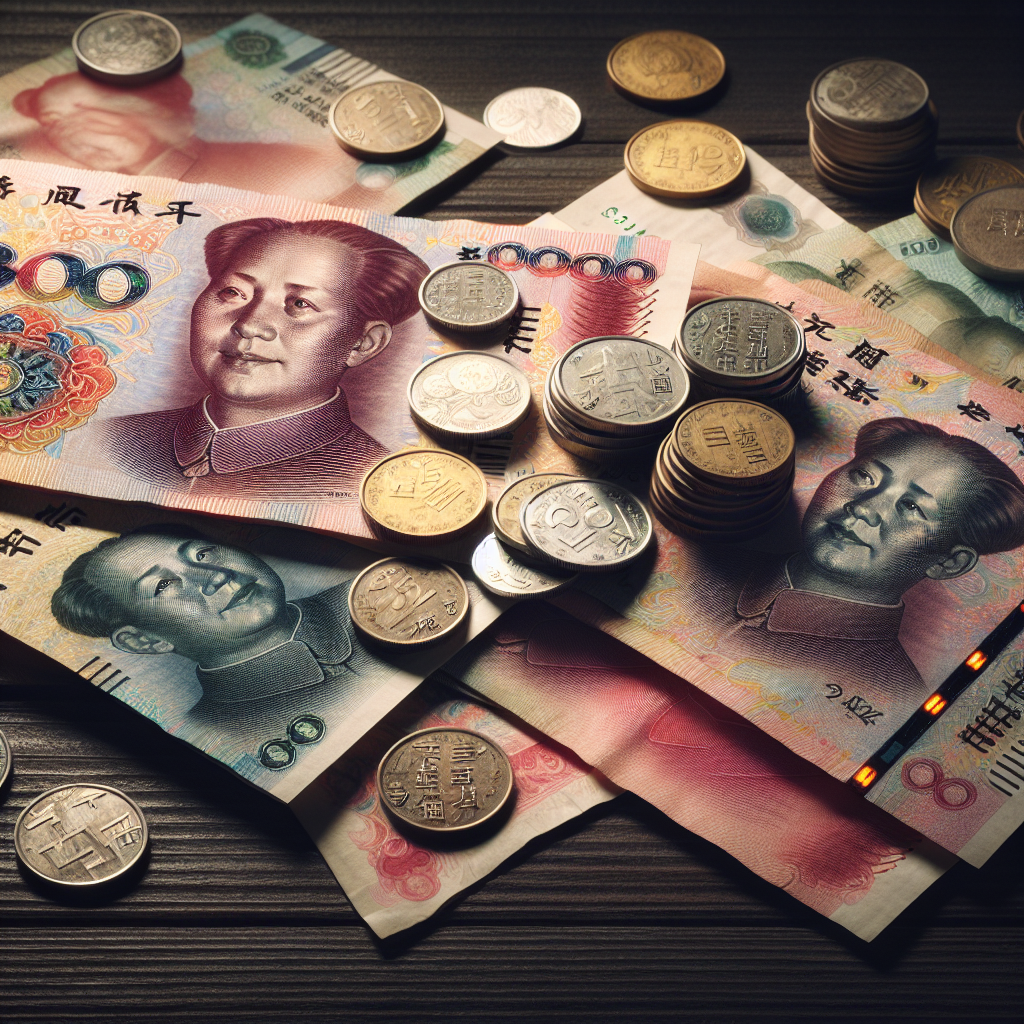
China's yuan has plummeted to its lowest level against the dollar since the 2008 global financial crisis, fueling concerns amidst the intensified U.S.-China trade war. In response to persistent economic tensions, the People's Bank of China (PBOC) has cut currency guidance for the sixth consecutive trading session.
Beijing has retaliated with steep tariffs on U.S. imports following similar U.S. moves. Although President Trump temporarily eased duties on some countries, he increased tariffs on Chinese goods, exacerbating the economic standoff. Experts suggest that the ongoing brinkmanship keeps USD/CNY rates under close scrutiny.
The PBOC's measured devaluation aims to balance export competitiveness without triggering financial instability. Despite the yuan's slide, China's central bank underscores the importance of stability, with gradual depreciation as the preferred strategy in cushioning the tariff impact.
ALSO READ
-
WTO Sets Up Panel on EU Carbon Border Rules as Russia Challenges Restrictions
-
WHO Brings Global Experts Together to Strengthen Herbal Medicine Quality and Safety
-
Human Cost of Faster Work: Chinese Employees Weigh AI’s Promise Against Pay Fears
-
China's August Disasters Yield $5.38 Billion in Losses
-
Asian Markets Rally Amidst Global Inflation Concerns


 Google News