

BRICS: Russia's Fertile Future Amid EU Fertilizer Ban
Despite EU restrictions, Russian fertilizer producers are boosting their global market share by focusing on BRICS nations. This shift comes amid rising tariffs and aims to capture the growing demand in these markets, potentially increasing fertilizer prices and affecting EU farmers' production strategies.
- Country:
- Russia
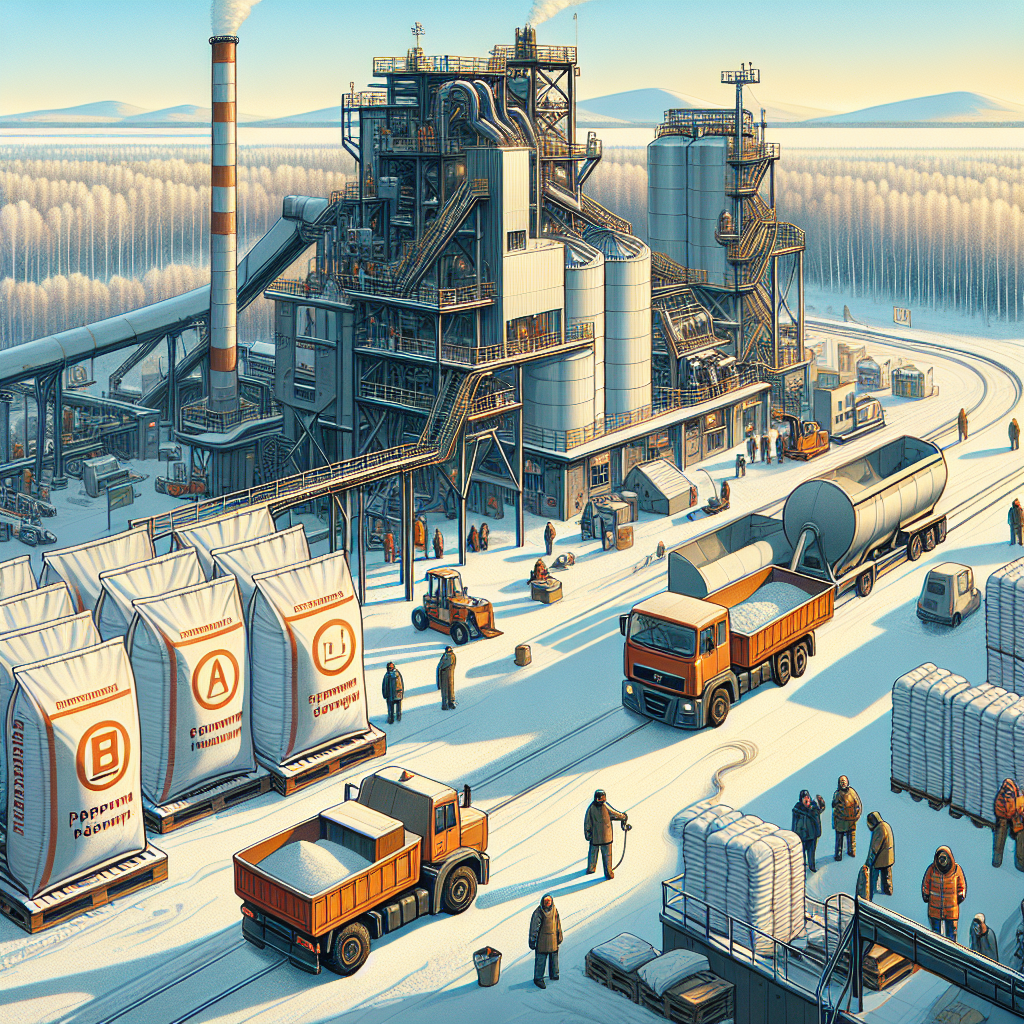
In a strategic move to offset a European Union ban on Russian fertilizer imports, Russian producers aim to increase their global market share from 20% to 25% by 2030. They are focusing on expanding sales in BRICS nations, according to industry leaders who discussed market strategies with President Vladimir Putin.
The ban, intensified by escalating tariffs effective July 1, will hit a prohibitive level in three years. Russia historically supplied 25% of the EU's fertilizer, but the pivot to BRICS is seen as a solution. "We face no fear from duties or tariffs," Andrei Guryev, leader of the Russian Fertilizer Producers Association, assured Putin, highlighting the strategic importance of the BRICS market, which accounts for nearly 50% of global fertilizer use.
Leading firms like Phosagro, Uralkali, and Uralchem are ramping up production, forecasting exports to rise. Guryev also anticipates a 30% increase in fertilizer prices noting EU farmers might need to scale back cultivation or seek subsidies due to rising costs.


 Google News