

Caspian Sea Crisis: A Looming Threat to Ecosystems and Economies
Rapid declines in the Caspian Sea's water level are impacting ports, oil shipments, and wildlife, especially sturgeon and seals. Azerbaijan and Russia are collaborating to address this issue, exacerbated by climate change and dam construction. Economic disruptions and ecological threats are rising as coastal conditions worsen.
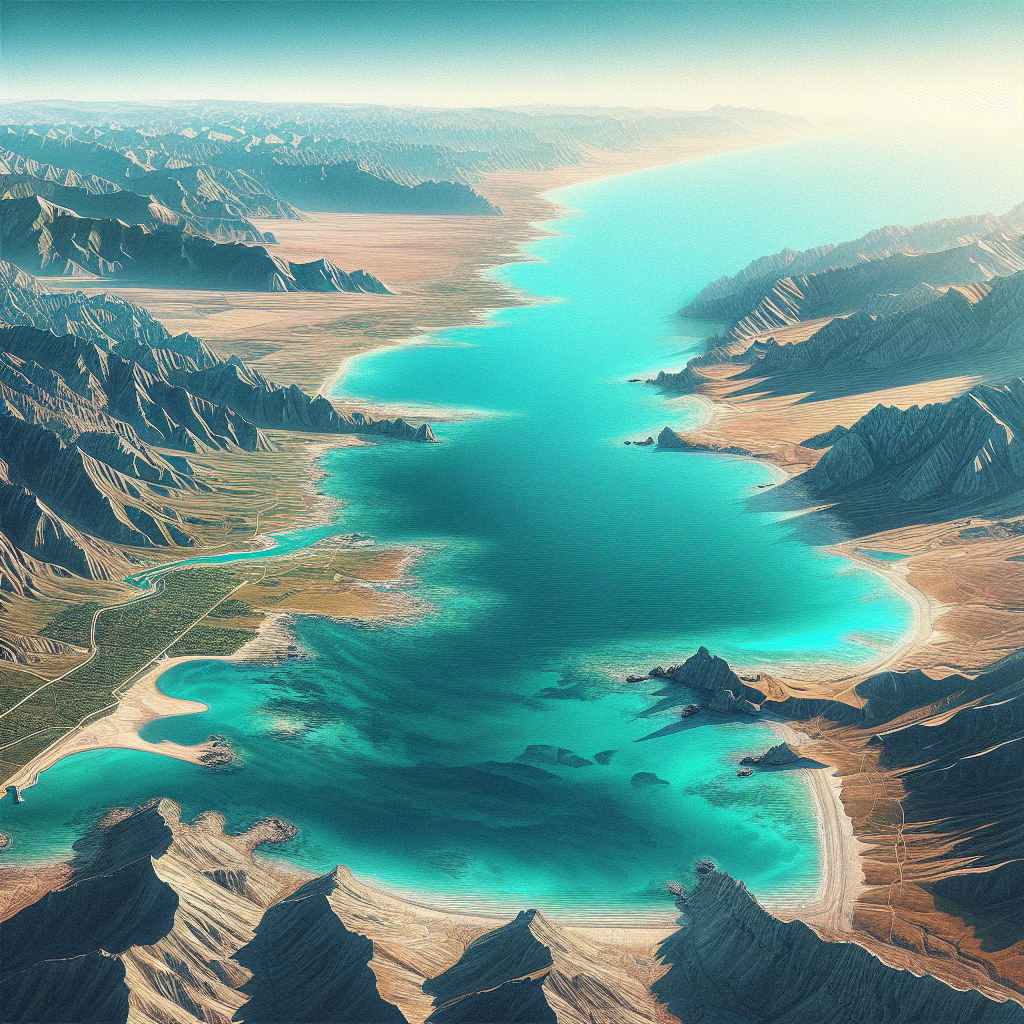
Rapid declines in the Caspian Sea's water level are causing significant disruptions to ports, oil shipments, and wildlife, according to Azerbaijan's Deputy Ecology Minister Rauf Hajiyev.
The Caspian holds extensive offshore oil reserves and borders major oil-producing countries such as Azerbaijan, Iran, Kazakhstan, Russia, and Turkmenistan. Hajiyev noted a worrying trend of declining water levels, with a drop of 0.93 meters in the past five years and an acceleration of the trend in recent years.
Russia attributes the problem mainly to climate change, while Azerbaijan also blames Russian dam construction on the Volga River. The retreating coastline disrupts economic activity and presents challenges for sustainable development, affecting both coastal populations and marine life.


 Google News