

Japan's Strategic Tango with Liquefied Natural Gas: Balancing Russian Imports and U.S. Pressures
Japan's reliance on Russian liquefied natural gas (LNG) from Sakhalin-2 is crucial for its energy security, with its replacement posing financial challenges. Amid political pressures from the U.S. to halt Russian energy imports, Japan eyes strategic moves, including new LNG deals and investments in U.S. shale gas assets.
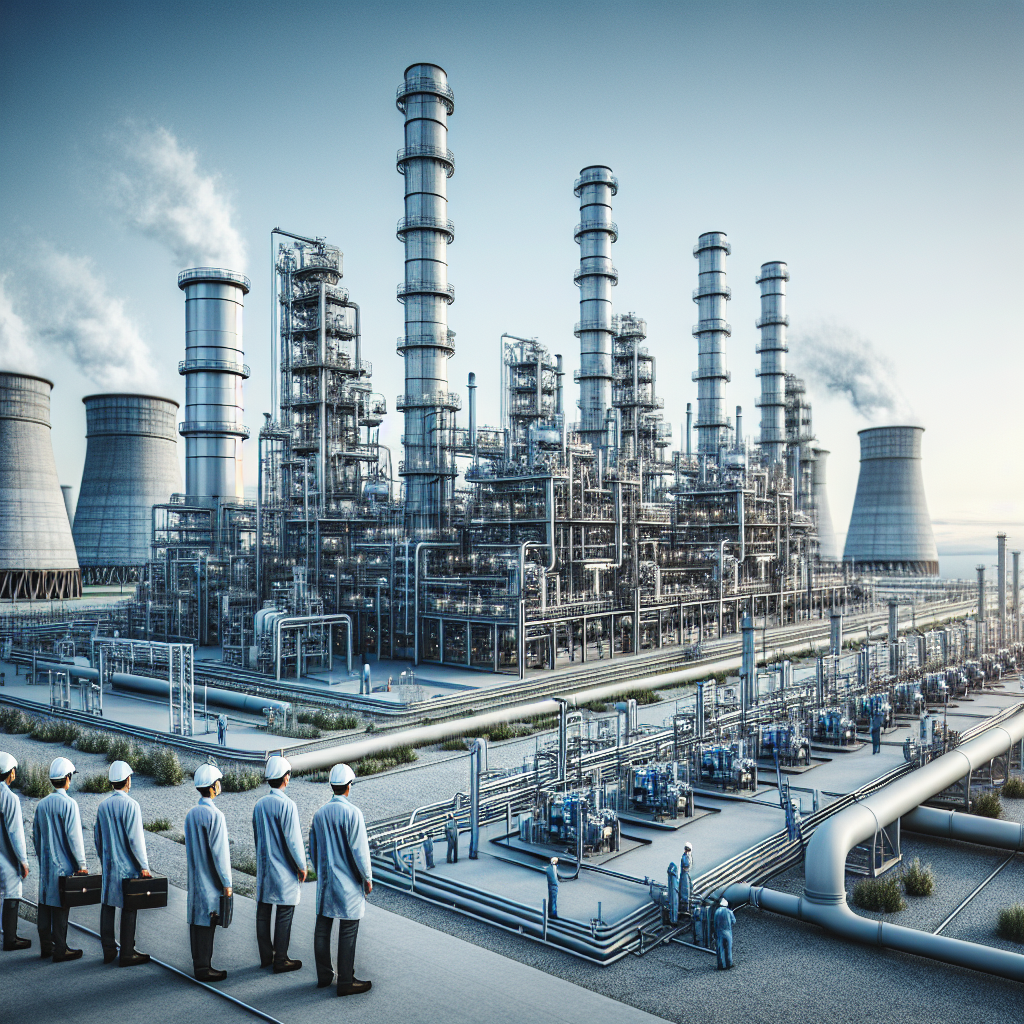
Japan faces a strategic energy decision as it navigates the complexities of its reliance on Russian liquefied natural gas (LNG). The Sakhalin-2 LNG project plays a crucial role in Japan's energy security, but replacing it could lead to substantial financial challenges and higher electricity prices, according to Japan's industry minister, Ryosei Akazawa.
Amid U.S. Treasury Secretary Scott Bessent's call for Japan to halt Russian energy imports, Japan remains cautious. Akazawa pointed out that most Sakhalin-2 contracts run until 2028-2033; terminating them prematurely would incur fines and force Japan to seek expensive alternatives.
Despite political pressures, Japan has signed new U.S. LNG deals without fully committing to the proposed $44-billion Alaska LNG project. In a strategic move, JERA, Japan's leading power generator, announced a $1.5 billion purchase of U.S. natural gas production assets, marking its foray into American shale gas.
ALSO READ
-
Inside Russia’s SMR School, Where Nuclear Experience Shapes Future Energy Decisions
-
Japanese Lawmakers Visit India to See Worker Protection and Skills Projects in Action
-
WTO Sets Up Panel on EU Carbon Border Rules as Russia Challenges Restrictions
-
Japan-Backed ILO Projects Help 23,000 Workers Gain Rights and Fight Child Labour
-
Russia’s Reach Beyond Borders Leaves Exiled Critics Living in Fear, UN Expert Warns


 Google News