

Renewables Surge as Thermal Power Share Dips Below 70% in India
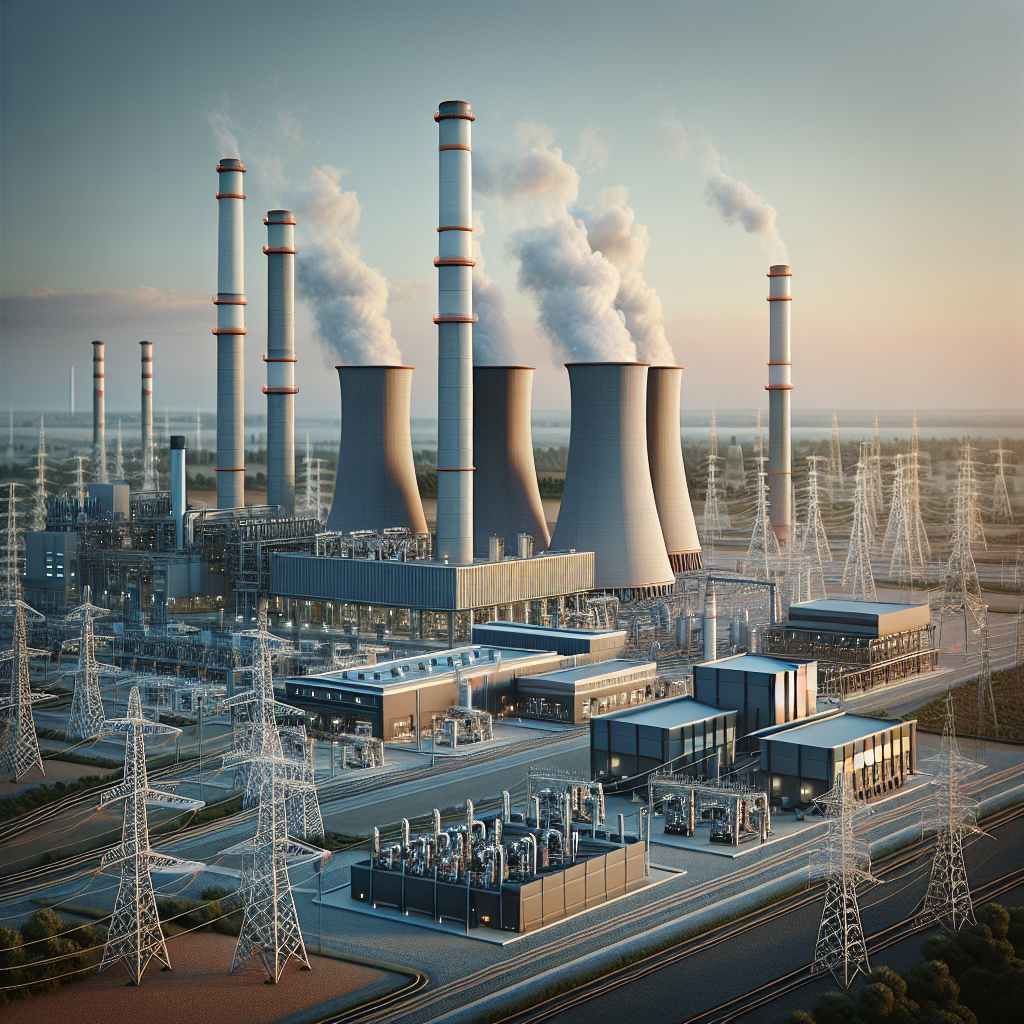
India's thermal power share in electricity generation is expected to drop below 70% next fiscal due to rising renewable energy output. Even though plant load factors will decline, long-term power purchase agreements encourage thermal sector investment. Thermal power remains crucial due to the intermittent nature of renewables.
- Country:
- India
In a significant shift for India’s energy landscape, the dominance of thermal power in electricity generation is slated to fall below 70% for the first time in the upcoming fiscal year, according to a report by Crisil Ratings. This change is largely fueled by a robust increase in renewable energy output, underscoring a transformative period in the country's power sector.
Despite the projected decline in thermal power's share, capital expenditure in the sector is picking up pace due to new long-term power purchase agreements. These deals are designed to meet base-load demand effectively, reflecting a positive outlook for steady cash flows and controlled debt levels, thus stabilizing credit profiles for thermal power producers.
Renewable energy generation is expected to grow at a compound annual rate of 18-20%, driven by significant capacity additions and rising installations across various sectors. Nevertheless, thermal power continues to play a critical role in ensuring grid stability, given the intermittent nature of renewable sources and the current nascent stage of energy storage solutions in India.
ALSO READ
-
Carbon Capture Could Cut Solar Power Waste and Battery Needs Across ASEAN
-
€300M Financing Deal Gives Czech and Slovak Businesses Room to Grow Greener
-
EIB Backs Reactive Technologies to Cut Outage Risks and Boost Clean Power
-
Maldives Targets Debt and Fuel Dependence as ADB Sets Out Five-Year Support Plan
-
AfDB selects four green hydrogen projects of $20 million grants in Africa


 Google News