

Davos Diaries: Geopolitical Showdowns and Economic Uncertainties
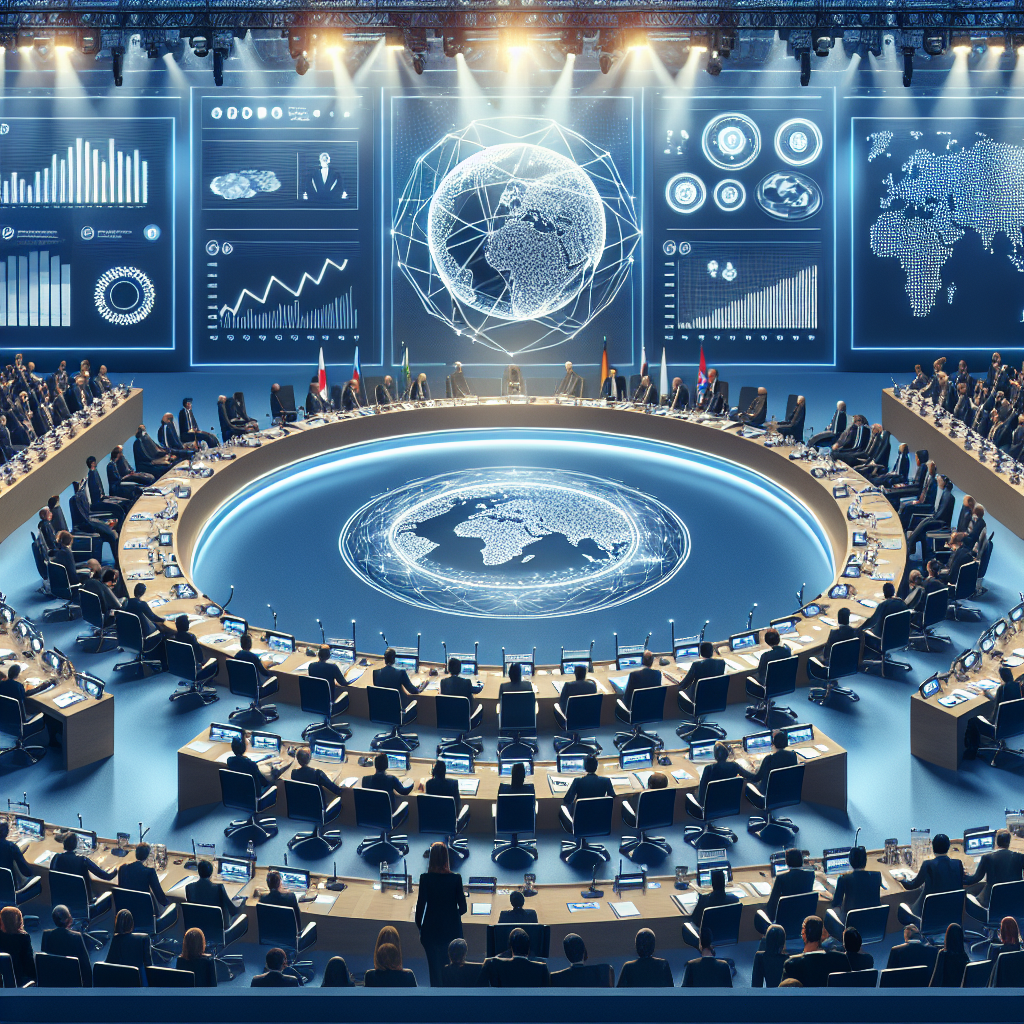
The World Economic Forum in Davos concluded, marked by influential discussions and controversies around U.S. President Trump's actions. Geopolitical tensions, trade disputes, and advancements in technology dominated conversations. Key figures pondered global economic futures, AI's impact on jobs, and rising energy demands, with leaders underscoring the necessity for strategic alliances and market stability.
- Country:
- Switzerland
World leaders and business executives ended their stay in Davos after a lively World Economic Forum meeting, marked prominently by U.S. President Donald Trump's influence. The event highlighted the geopolitical tensions due to Trump's actions, including the controversial Greenland remarks and their impact on European allies.
Geopolitical debate was rife as European leaders weighed the cost of standing up to Trump's controversial bids, from Greenland to geopolitical tensions with Iran. Meanwhile, financial and trade uncertainties loomed, driven by protectionist U.S. policies prompting global leaders to push for diversification in business dealings.
Technological advancements took center stage, with AI and energy demands influencing economic outlooks. Breakthroughs in AI instigated discussions on job displacement and inequality, while energy leaders debated fossil fuel expansion and alternative energy's viability amid increasing global consumption needs.
ALSO READ
-
Lee Jae Myung's Diplomatic Milestones: Balancing Amidst Global Tensions
-
Diplomatic Moves: Takaichi's UN Meeting with Trump
-
Trade War Chessboard: Agriculture, Energy, and Rare Earths in Focus
-
High-Stakes Diplomatic Dance: Trump and Xi's Crucial Summit
-
Trump's Battle with the Airwaves: A Broadcast Controversy


 Google News