

Melting Ice and Mounting Tensions: The Race for Arctic Control
As the Arctic warms, it becomes a strategic hub for energy, shipping, and minerals. Russia and China are expanding their influence, while the West lags. Russian Arctic dominance fuels new trade dynamics, challenging Western sanctions. China's investments secure resources and shipping routes, marking a new global economic fault line.
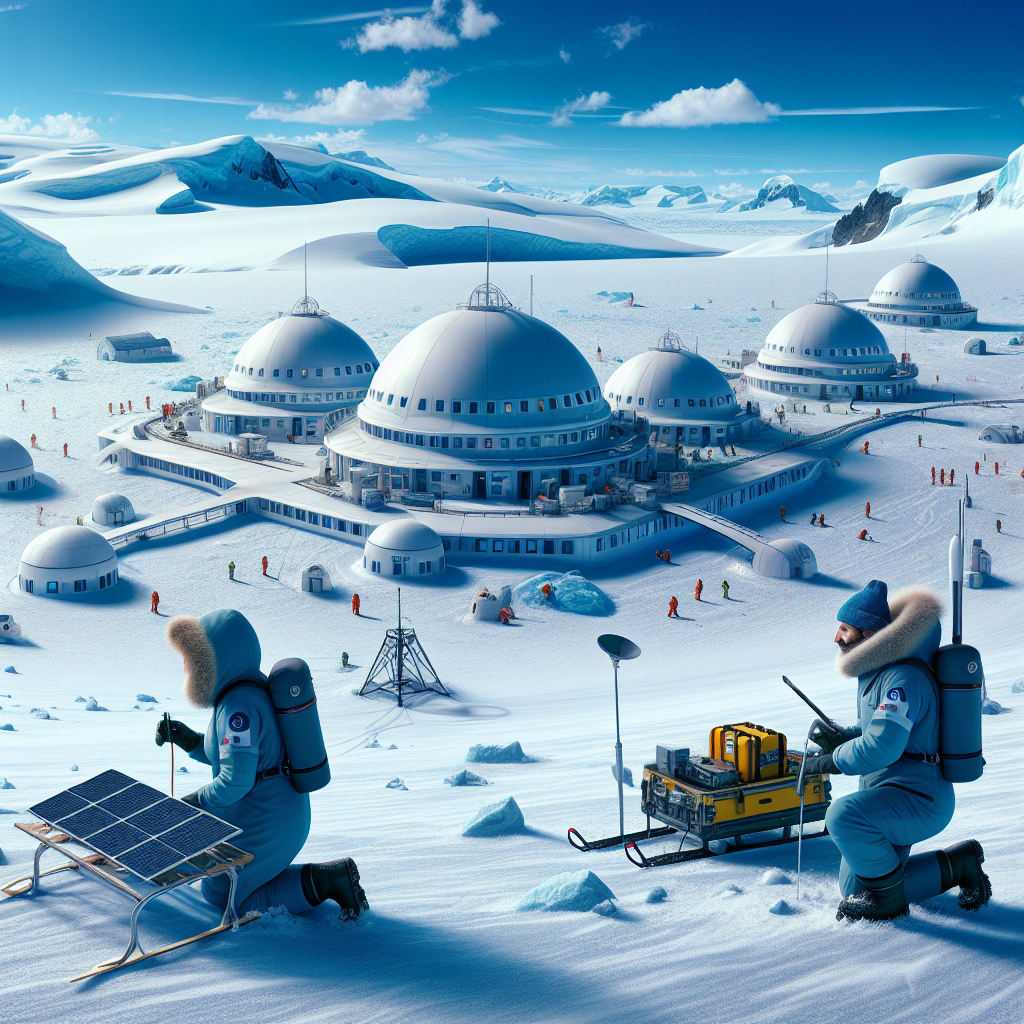
The Arctic, once a frozen outpost, is now a pivotal arena for energy, shipping, and critical minerals, as its ice recedes. The region is feeling geopolitical heat, highlighted by U.S.-Europe tensions over Greenland. The melting is happening four times faster than the rest of the world, but the question remains: who will command the Arctic’s routes, regulations, and resources that will dictate global markets in the coming decades?
Russia and China are strategically entrenching themselves in the Arctic, enhancing their economic influence, while Western powers only begin to catch up. Russia dominates due to its geography and infrastructure, with 80% of the Arctic oil and gas production rooted in its expanse. Its concentration of crucial minerals, such as platinum and rare earths, further underscores its formidable presence.
Conversely, China's precise investments in the Yamal LNG project and its pursuit of Arctic minerals reflect its strategic interests in securing energy supplies and expanding trading routes, notably the “Polar Silk Road.” As the West navigates sanctions and geopolitical shifts, the Arctic trade routes may evolve, potentially reshaping global market dynamics and introducing new risks and opportunities.


 Google News