

Soaring Freight Rates Disrupt India's Edible Oil Imports Amidst Middle East Tensions
Rising freight rates and escalating Middle East conflict are prompting Indian buyers to pursue immediate vegetable oil shipments. As India's imports slow, local edible oil prices rise in tandem with global markets. Confidence in overseas deliveries wanes as freight costs soar, reshaping purchasing strategies.
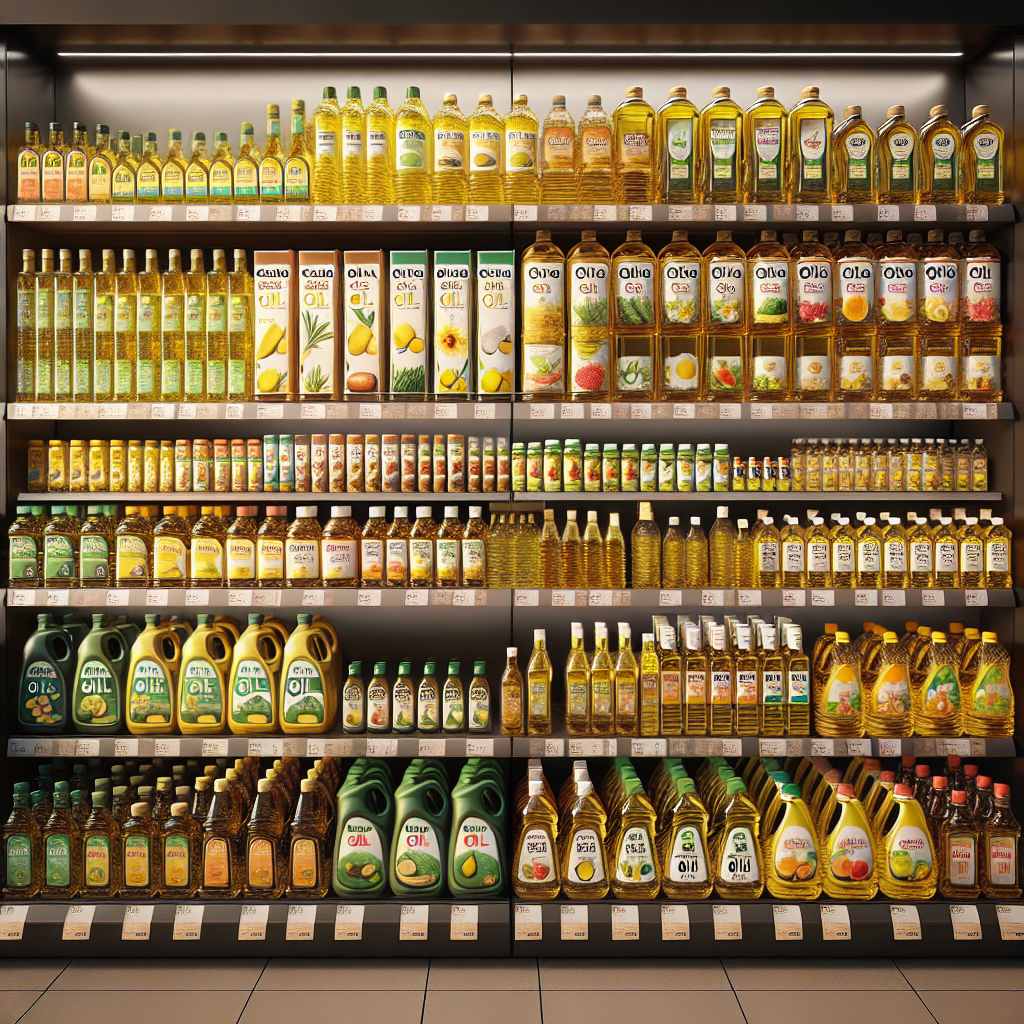
Rising vegetable oil prices and increased freight rates are urging Indian buyers toward swift shipments, amid mounting concerns over potential delays in soyoil and sunflower oil deliveries due to the intensified Middle East conflict, multiple dealers reported to Reuters.
India, the world's biggest vegetable oil importer, seeks to limit new purchases to avoid further price surges in palm, soyoil, and sunflower oils, although this could constrict local supplies by April. Recent local edible oil price hikes correlate with global market trends, yet refiners hesitate to buy overseas at high costs, a Mumbai dealer from a global trade house stated.
Apprehensions grow over escalating Middle East conflicts potentially rerouting Black Sea sunflower oil shipments, adding over 10 days to transit and increasing freight costs by $20 per ton or more, noted Sandeep Bajoria, CEO of Sunvin Group. As buyers steer towards lower-priced local inventory, awaiting a global price correction, the oil import landscape remains volatile.


 Google News