

Escalating Conflict Drives Up Global Food Prices
The United Nations Food and Agriculture Organization reported a rise in global food prices in March, primarily due to increased energy costs resulting from conflict in the Middle East. The FAO Food Price Index registered a 2.4% increase, with future uncertainties possibly affecting food supply and prices further.
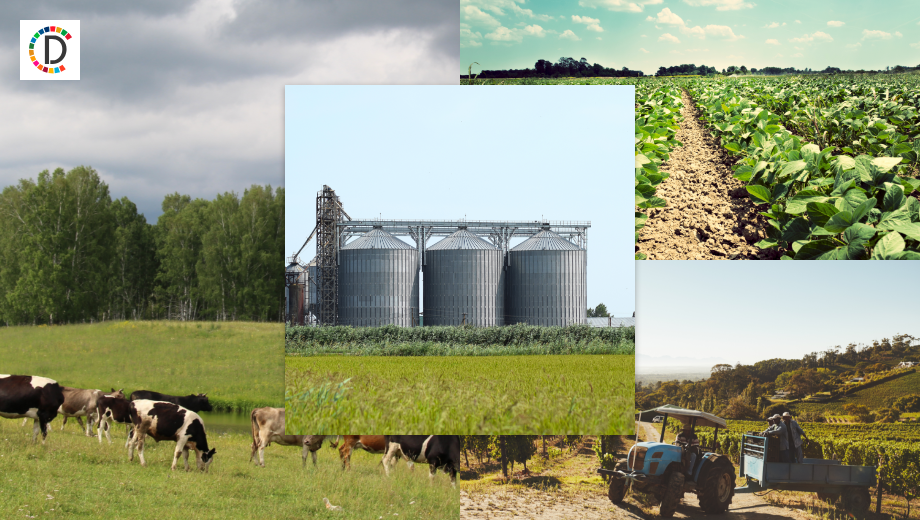
The UN's Food and Agriculture Organization has reported a rise in world food prices for March, significantly influenced by ramped-up energy costs linked to ongoing conflict in the Middle East.
The FAO index, which watches changes in a basket of global food commodities, recorded an average of 128.5 points, a 2.4% hike from February. Maximo Torero, the FAO Chief Economist, stated that while price hikes have been moderate so far, they are mainly due to soaring oil prices mitigated by a robust cereal supply.
However, Torero warned that if the geopolitical strife continues beyond 40 days and maintains high input costs, agricultural outputs could be threatened as farmers might either reduce their inputs or shift to different crop production, potentially lowering future yields and impacting global food supply this year and next.


 Google News