

Tensions Surge: The Strategic Chess Game of the U.S. Naval Blockade Against Iran
The U.S. naval blockade of Iran, deemed 'polite' behavior during a ceasefire, is intensifying with threats of strikes on Iran's power sector. Pentagon Chief Pete Hegseth cautions Iran on negotiation choices, while Navy enforces strict measures on vessels violating the blockade.
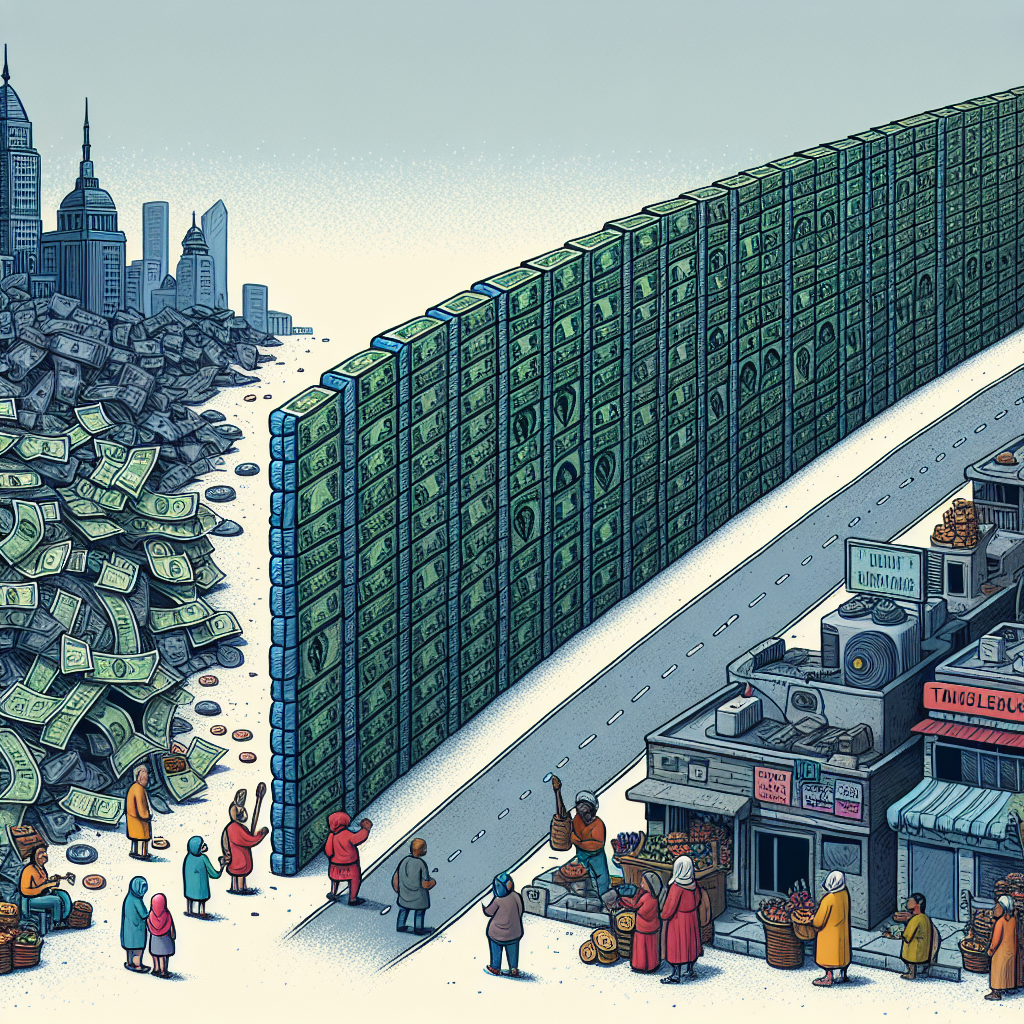
The United States has intensified its strategy against Iran by implementing a naval blockade during an ongoing ceasefire. The Pentagon, led by Chief Pete Hegseth, has highlighted the United States' readiness to launch targeted strikes on Iran's energy sector if negotiations do not progress as hoped.
The blockade, effective since Monday, has already halted 13 ships, with President Trump's administration expressing optimism for a resolution but signaling increased economic pressure should Iran resist U.S. proposals. The blockade's enforcement focuses on the strategic Strait of Hormuz, a vital passage for global oil and gas exports.
With U.S. military forces prepared for rapid combat, vessels aiding Iran are warned they will face forceful intervention. The blockade, extending to cargoes suspected as contraband, embodies a stern U.S. posture aimed at securing compliance from Tehran.
ALSO READ
-
Nifty-50 net profit projected to grow 18% in FY27 and 13% in FY28 amid macro headwinds: Kotak report
-
Sensex falls over 300 points, Nifty slips below 22,690 as crude prices hover near USD 115
-
Netanyahu's allies explore possible 'national unity government' with Eisenkot ahead of Tuesday's poll: Report
-
"Israel enemies want us to lose": Netanyahu makes final pitch as Israel votes today in first election after October 7 massacre
-
Saudi Arabia offered Houthis $1 bn in Iran-brokered ceasefire deal: Israeli media


 Google News