

Help needed to distribute vaccines due to COVID-19 restrictions: UNICEF
Governments, the private sector, the airline industry, and others have been approached to free up freight space at an affordable cost, “and to work with us to find ways around the transport disruptions we face”, said UNICEF spokesperson Marixie Mercado.
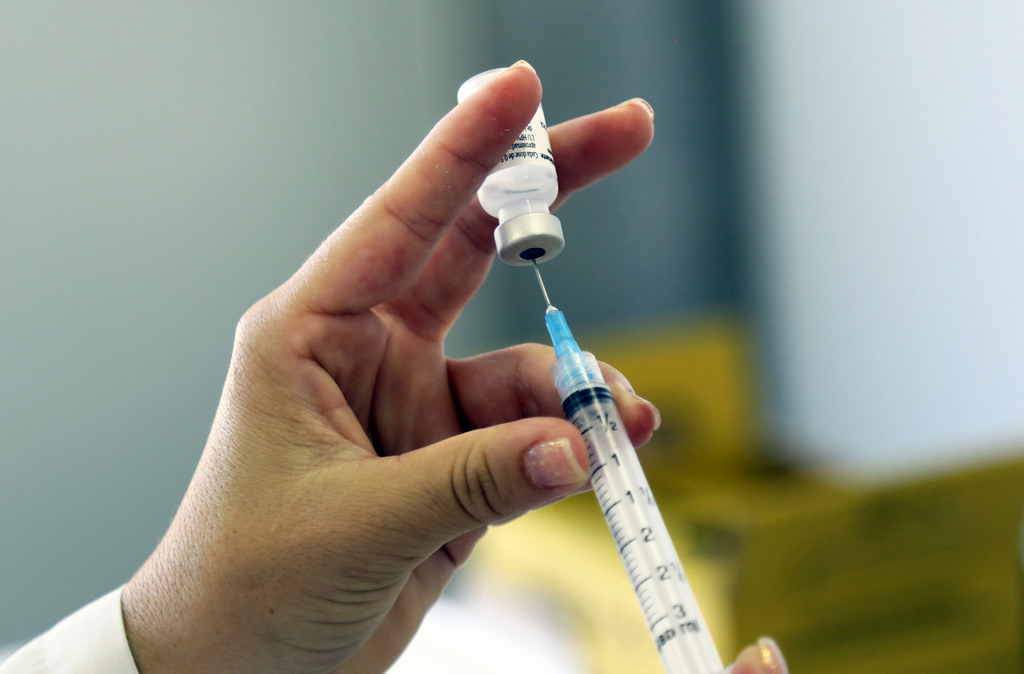
Help is needed urgently to distribute vaccines worldwide amid dramatic shortages because of COVID-19 restrictions, the UN Children's Fund (UNICEF) said on Friday. It has warned that youngsters' lives "are at stake" owing to the dramatic decline in commercial flights and limited availability of charters.
Governments, the private sector, the airline industry, and others have been approached to free up freight space at an affordable cost, "and to work with us to find ways around the transport disruptions we face", said UNICEF spokesperson Marixie Mercado.
"Compounding the challenge is the exorbitant cost of securing flights, with freight rates at 100 to 200 percent above normal and charter flights even more costly," she explained. "Countries with limited resources will struggle to pay these higher prices, leaving children vulnerable to vaccine-preventable diseases such as measles and polio."
Last year, UNICEF sourced more than 2.4 billion doses of vaccines for 100 countries, to reach around half of the world's under-fives.
Massive fall in shipments
But since late March, there has been a 70 to 80 percent reduction in shipments.
Dozens of countries are now at risk of running out of supplies including at least five countries that experienced measles outbreaks in 2019.
They include the Democratic Republic of the Congo – a country fighting its largest-ever Ebola outbreak – where measles caused more than 6,000 deaths last year.
The 26 countries most at risk include Benin, Niger, Tajikistan, Cambodia, Mongolia, and the Solomon Islands. As part of World Immunization Week, ending on Friday, the World Health Organization (WHO) warned about the danger of even more major measles outbreaks, as part of a wider alert on routine immunization program delays.
The latest data indicates that the number of measles cases worldwide last year was likely in the millions.
If routine measles vaccination programs backslide as a result of COVID, "we could see even more outbreaks around the world than we saw last year, an even greater number of cases and an even greater number of deaths," said Dr Kate O'Brien, Director of the Immunization, Vaccines and Biologicals Programme at WHO.
Listen below to our in-depth podcast on the importance of maintaining the programs during the coronavirus:
Progress in lifesaving work at risk
Notwithstanding the COVID-19 pandemic, most countries have made immense progress in ensuring that children are vaccinated in recent decades.
In 2018, 86 percent of children under the age of five globally were vaccinated with three doses of diphtheria, tetanus, and pertussis (DTP3), according to WHO.
Youngsters also received one dose of the measles vaccine, up from 72 percent in 2000 and 20 percent in 1980. The number of children paralyzed by polio has been reduced by 99.9 percent worldwide, the UN health agency said in a statement.
All children should be immunized against these five highly infectious diseases, WHO says, along with the main causes of meningitis, pneumonia, and diarrhea.
"Every child should receive every dose that they need and receive those doses on time to give them the best protection possible," said Dr O'Brien.
Regional vaccines are also provided in parts of the world where yellow fever is prevalent, and some countries also vaccinate against tuberculosis using a vaccine called BCG.
Every girl in the world should also receive the HPV vaccine against cervical cancer, Dr O'Brien told UN News.


 Google News