

Virtual Reality and Body Image: A New Frontier in Treatment
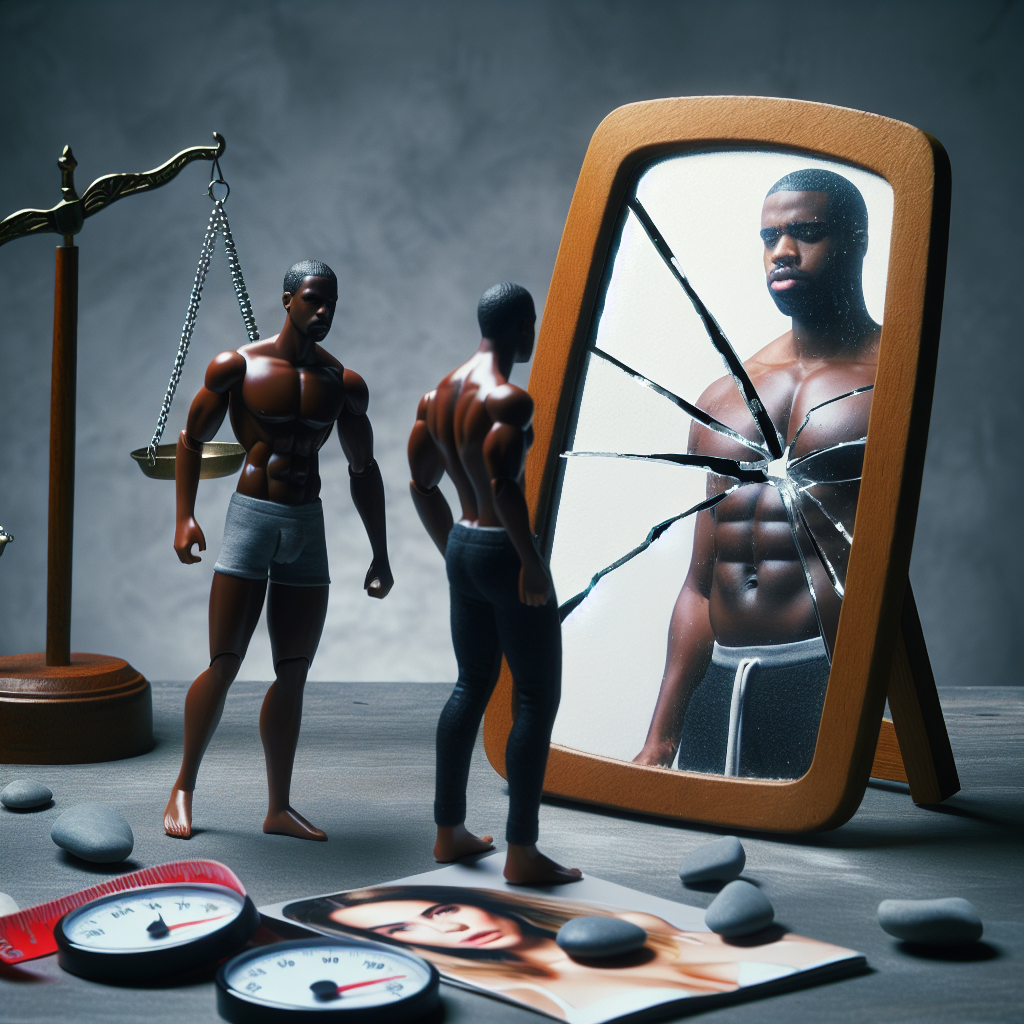
Body image disturbance, often linked to eating disorders, involves inaccurate perceptions of one's body. Research suggests 'embodiment illusions' using virtual reality can improve symptoms by tricking the brain into feeling it inhabits a different body. However, the long-term effectiveness and safety of these innovative treatments require further investigation.
- Country:
- Australia
Melbourne, Jul 17 (The Conversation) - Body image disturbance, a condition characterized by inaccurate perceptions of one's body, is strongly linked to eating disorders and body dysmorphic disorder. Recent studies suggest that 'embodiment illusions', which utilize virtual reality to trick the brain into inhabiting a different body, may offer promising new treatment avenues.
Embodiment illusions, such as the well-known 'rubber hand illusion', can be extended using virtual reality to enhance body image perception. A systematic review of 32 studies found that individuals with higher levels of body image disturbance are more susceptible to these illusions, which can lead to improved perceptions and reduced distress.
Despite the positive outcomes, concerns remain about the long-term effectiveness and potential adverse effects of these treatments. Ethical considerations also arise, such as the impact of experiencing a 'healthy-weight' body on individuals with anorexia nervosa. Further research is required to address these questions and validate the efficacy of this innovative approach.


 Google News