

Revolutionizing Chemotherapy: Scalp Cooling Therapy Reduces Hair Loss and Boosts Confidence
A private hospital has introduced scalp cooling therapy to reduce hair loss during chemotherapy, which impacts patient confidence and emotional well-being. Studies indicate it can prevent up to 70% of hair loss by cooling the scalp, minimizing exposure to chemotherapy drugs. Recommended mostly for solid tumors, it is effective and non-invasive.
- Country:
- India
A private hospital in the city has rolled out scalp cooling therapy aimed at minimizing hair loss in cancer patients undergoing chemotherapy. This innovative approach is set to alleviate the psychological stress associated with chemotherapy-induced hair loss, medical professionals have said.
Clinical trials conducted across several US and European centers have demonstrated that cold capping therapy can prevent up to 70% of hair loss. Dr. Ashish Gupta, the Chief of Medical Oncology at Amerix Cancer Hospital in Delhi, elaborated that the therapy helps patients maintain their hair, thus reducing the psychological burden associated with cancer treatment.
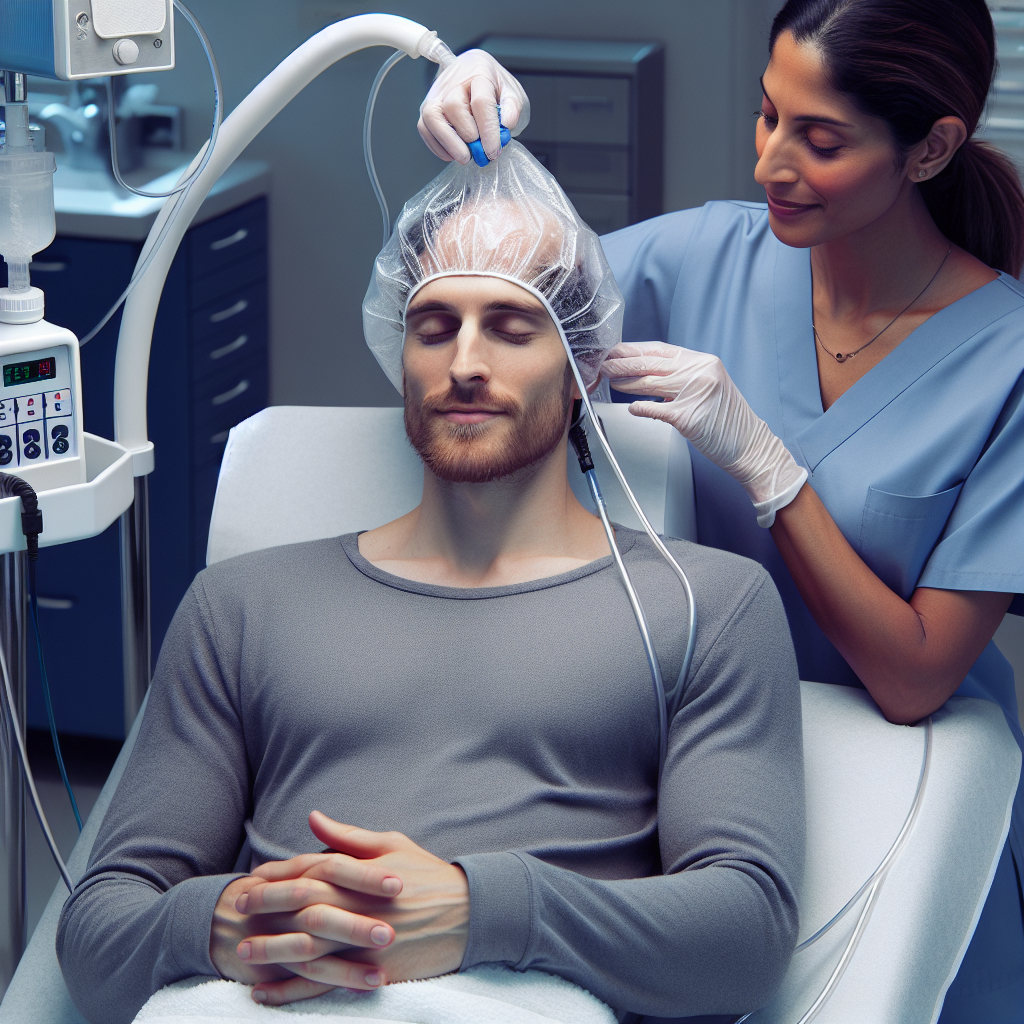
The therapy involves a specially crafted silicone cap that is cooled between 64 and 72 degrees Fahrenheit and worn before, during, and after chemotherapy sessions. This cooling effect diminishes blood flow to the scalp, lessening hair follicles' exposure to chemotherapy drugs. Although it does not completely halt hair loss, evidence suggests significant reduction. Suitable mostly for patients undergoing chemotherapy for solid tumors, it offers a boost in confidence and self-identity during treatment.


 Google News