

Market Jitters and Currency Shifts Amid Political Maneuvers
The U.S. dollar remains steady while the yen weakens due to upcoming Japanese elections. Currency markets react to Kevin Warsh's Federal Reserve nomination. Global currency dynamics see fluctuations as various geopolitical and economic factors unfold, including Japan's elections and central bank policy meetings in Europe.
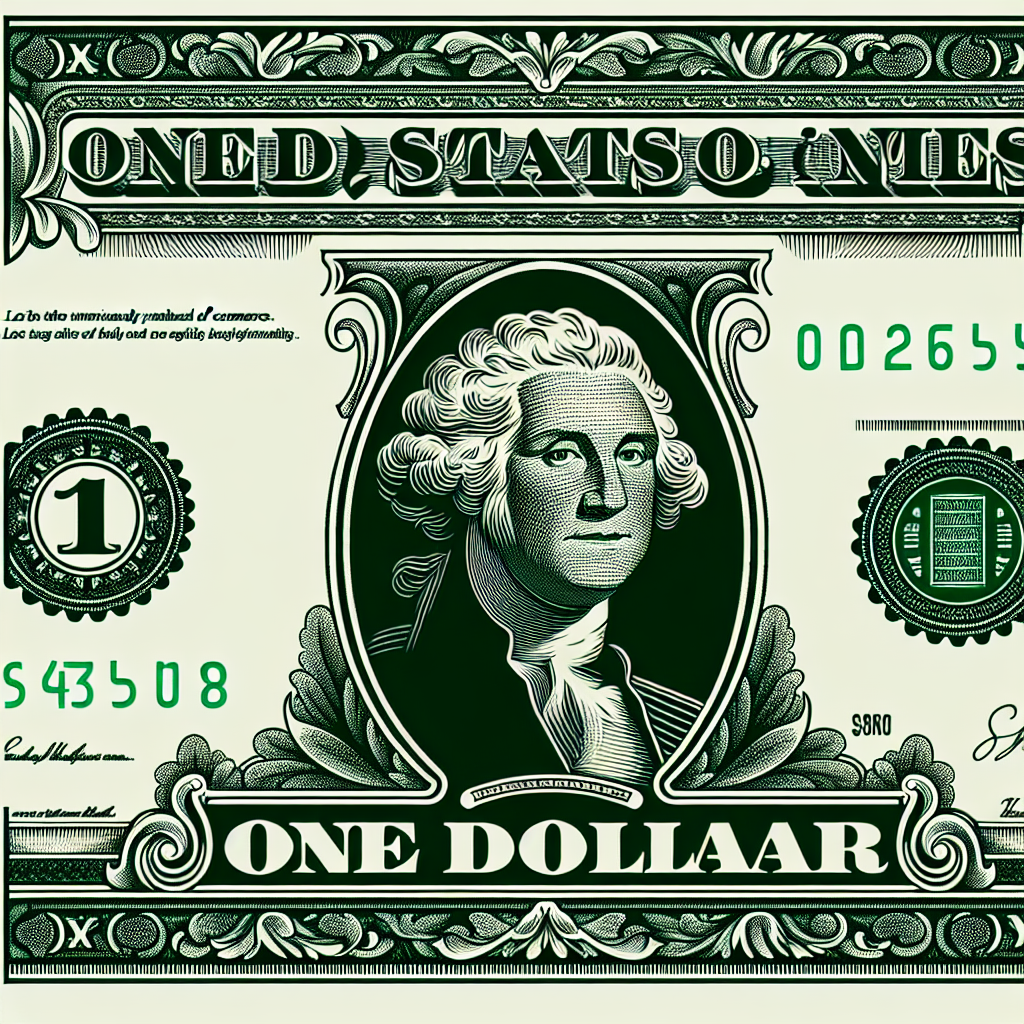
In recent developments, the U.S. dollar has held steady despite worldwide market fluctuations. Investors showed resilience after a brief government shutdown, as the yen weakened with political uncertainties looming due to the upcoming Japanese election. Meanwhile, currency markets are adjusting to the effects of Kevin Warsh's nomination as the new Federal Reserve chief by President Donald Trump.
The euro and sterling remained stable ahead of crucial European Central Bank and Bank of England policy meetings, where no changes to interest rates are anticipated. This comes as the dollar continues to demonstrate strength, impacting precious metals but showing signs of recovery.
Amid these currency shifts, Japan's election is drawing significant attention, with the yen fluctuating as voters prepare to cast their votes. Prime Minister Sanae Takaichi aims to secure support for her fiscal policies, amid concerns that mixed messages could influence the yen's future. As geopolitical events unfold, the global economy remains on edge.


 Google News