

WHO Expands Global Digital Health Network with Inclusion of Migration Agency
For migrants and displaced communities, accessing healthcare across borders often involves fragmented systems, missing records, and inconsistent verification processes.
- Country:
- India
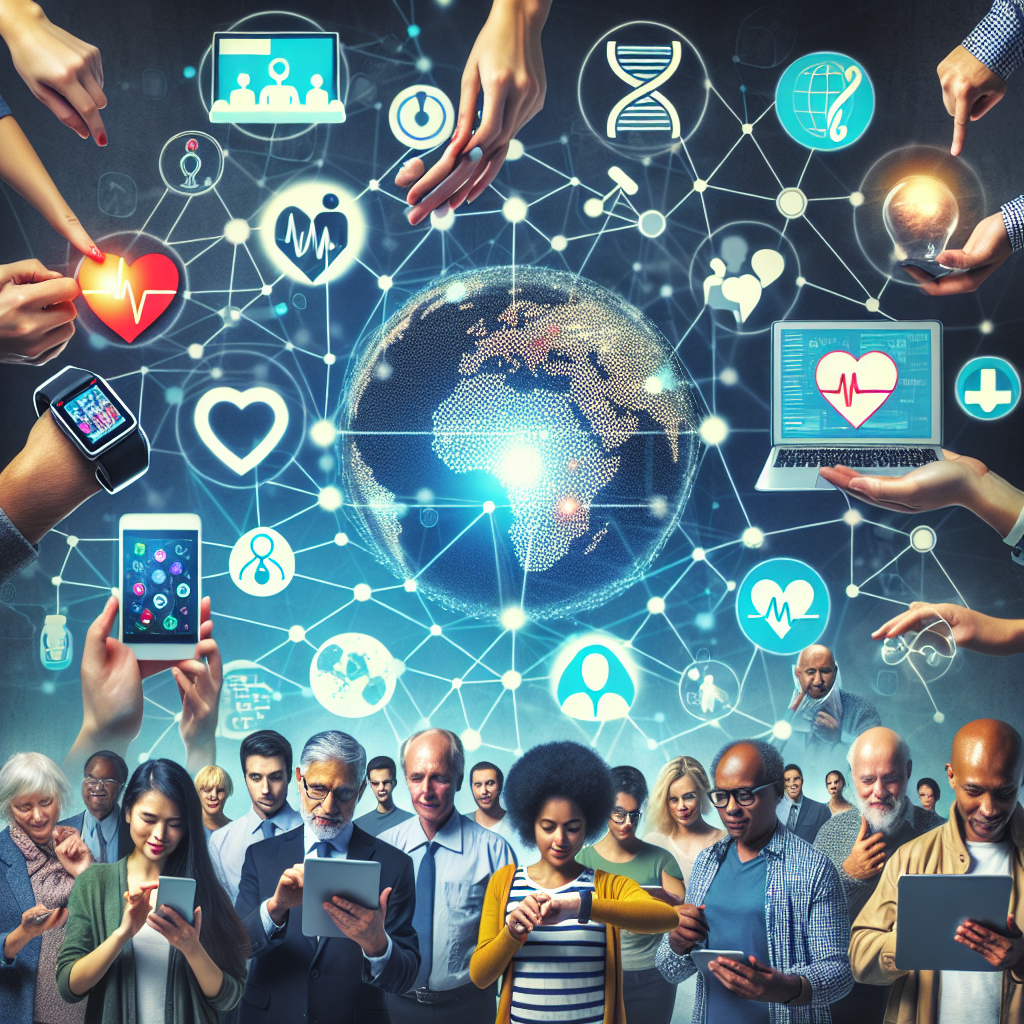
The World Health Organization (WHO) has taken a significant step toward building a more connected and inclusive global health system, announcing the integration of the International Organization for Migration (IOM) into its Global Digital Health Certification Network (GDHCN)—marking the first time an international organization has joined the initiative.
The move is expected to transform how health data is accessed and verified for millions of people on the move, addressing long-standing gaps in continuity of care for migrants, refugees, and displaced populations.
Bridging Health Gaps for Mobile Populations
For migrants and displaced communities, accessing healthcare across borders often involves fragmented systems, missing records, and inconsistent verification processes. By bringing IOM into the GDHCN, WHO aims to enable secure, portable, and interoperable digital health records that can travel with individuals wherever they go.
This integration allows for:
-
Secure verification of health information across countries
-
Improved access to personal medical records
-
Continuity of care in transit, resettlement, or crisis situations
-
Reduced duplication of tests and treatments
"By supporting secure, interoperable standards that safeguard privacy and dignity, the GDHCN helps ensure that digital health systems work for everyone, including the most vulnerable," said Dr Alain Labrique, Director of WHO's Data, Digital Health, Analytics and AI (DDA) Department.
From Pandemic Tool to Global Public Health Infrastructure
Originally developed during the COVID-19 pandemic to support digital vaccination and test certification for international travel, the GDHCN is now evolving into a broader digital public health platform.
With IOM's inclusion, the network expands into humanitarian and migration contexts, demonstrating how digital infrastructure can be repurposed beyond emergency response to support long-term health system resilience.
This evolution reflects a growing global consensus that digital health systems must be interoperable, scalable, and inclusive, particularly in a world facing increasing displacement due to conflict, climate change, and economic instability.
Enhancing Care in Crisis and Low-Connectivity Settings
A key focus of the collaboration is ensuring that digital health tools are adapted for real-world conditions, including:
-
Humanitarian emergencies and conflict zones
-
Refugee camps and displacement settings
-
Regions with limited or unreliable internet connectivity
By incorporating these considerations into system design, WHO and IOM aim to ensure that digital health innovations are not limited to high-resource environments but are accessible and functional in the most challenging contexts.
Strengthening Data Security and Trust
A central pillar of the GDHCN is its emphasis on privacy-preserving, rights-based digital standards. As cross-border health data sharing expands, maintaining trust becomes critical.
WHO's role as a neutral global authority ensures that:
-
Data is protected under internationally recognised standards
-
Systems are interoperable without compromising privacy
-
Health information remains accessible yet secure
-
Individuals retain control over their personal data
This approach is particularly important for vulnerable populations, who may face heightened risks related to data misuse or lack of legal protections.
IOM's Role: Delivering Health Services at Scale
As one of the world's leading providers of health services for migrants, IOM brings extensive operational experience to the network.
"Joining the Global Digital Health Certification Network will improve our ability to support migrants by providing them with more reliable and secure access to their health information across borders," said Dr Poonam Dhavan, Director of IOM's Migration Health Division.
The partnership is expected to enhance IOM's ability to deliver coordinated care across multiple countries, while also improving health outcomes for populations that frequently move between jurisdictions.
Supporting Global Health Security and Coordination
Beyond individual benefits, the integration strengthens global health security by improving data sharing and coordination between countries and organizations.
Key advantages include:
-
Faster response to cross-border health threats
-
Improved tracking of disease outbreaks among mobile populations
-
Enhanced collaboration between health systems and humanitarian actors
-
Better preparedness for future pandemics and crises
The initiative highlights how shared digital infrastructure can serve as a backbone for coordinated global health action.
Aligning with Broader WHO Migration Health Strategy
The announcement complements WHO's wider efforts to integrate migrants and refugees into national health systems, as outlined in its global action plan on refugee and migrant health.
Recent findings indicate that more countries are:
-
Including migrants in national health policies
-
Expanding access to essential health services
-
Investing in inclusive healthcare infrastructure
By combining policy inclusion with digital innovation, WHO aims to create more equitable and resilient health systems worldwide.
A New Phase in Digital Health Collaboration
The inclusion of IOM signals a new phase for the GDHCN—one that extends beyond government-led participation to include international organizations with direct operational reach in complex environments.
This expansion reinforces WHO's role as a global convening authority, bringing together governments, agencies, and partners to build interoperable systems that benefit all populations.
Toward a More Connected and Inclusive Health Future
As global mobility continues to rise—driven by conflict, climate change, and economic migration—the need for seamless, cross-border healthcare solutions is becoming increasingly urgent.
The WHO-IOM collaboration represents a forward-looking approach, leveraging digital innovation to ensure that no one is left behind, regardless of where they are or where they move.
By enabling secure, portable health records and fostering international cooperation, the GDHCN is poised to become a cornerstone of next-generation global health systems.


 Google News