

Malaria Vaccine Price Cut to Help Communities Protect More African Children
The agreement will lower the price of the RTS,S/AS01 malaria vaccine to EUR 5.50 per dose, representing a reduction of approximately 40 per cent from the current price.
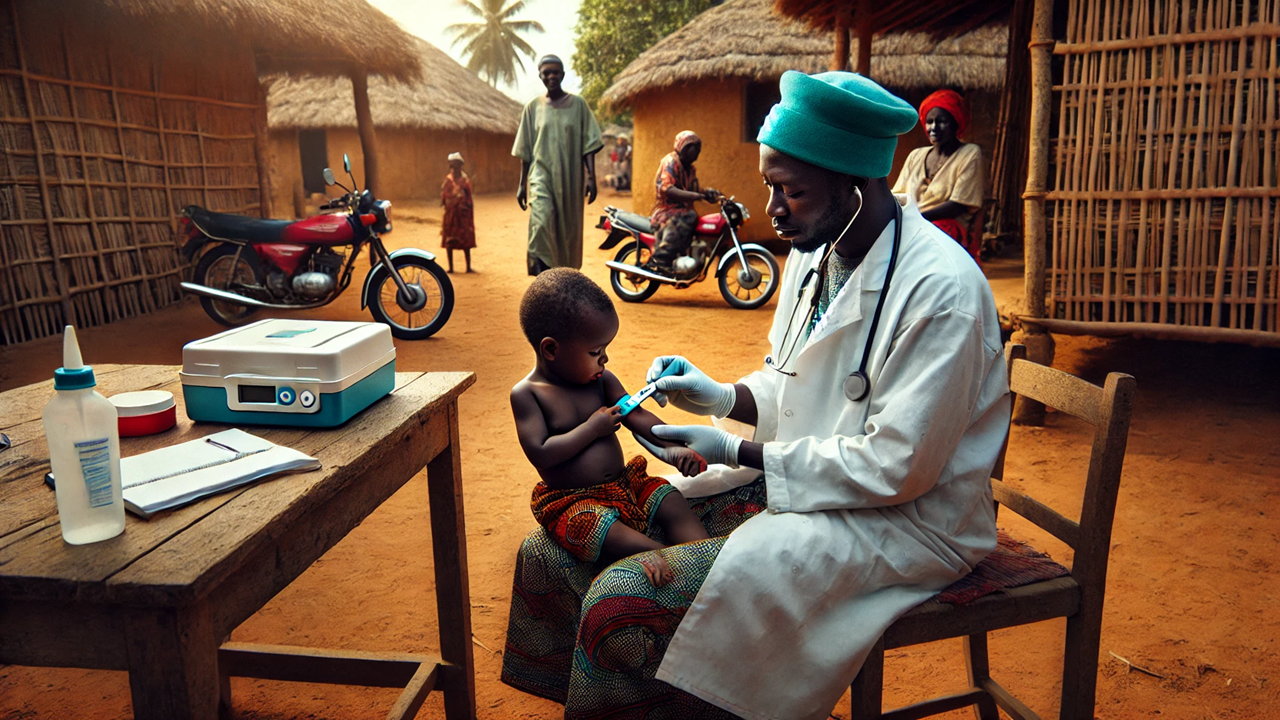
Malaria remains one of the biggest threats to child health across Africa, claiming young lives every day despite years of progress in prevention and treatment efforts. Expanding access to effective vaccines has become a critical part of reducing that burden and helping communities protect children during their most vulnerable years.
A newly announced agreement involving UNICEF, Gavi, the Vaccine Alliance, and the International Finance Facility for Immunisation (IFFIm) is expected to make the RTS, S/AS01 malaria vaccine substantially more affordable, creating opportunities for wider vaccine coverage in countries facing the highest malaria risk.
The arrangement is projected to save around US$50 million between 2027 and 2029, providing governments and health programmes with additional resources that could fully immunize up to one million more children through the vaccine's recommended four-dose schedule or support the delivery of other essential vaccines.
Major Price Reduction Set for 2027
The agreement will lower the price of the RTS,S/AS01 malaria vaccine to EUR 5.50 per dose, representing a reduction of approximately 40 per cent from the current price. The lower cost is expected to take effect in early 2027 after regulatory and manufacturing requirements are completed, including WHO prequalification of a new manufacturing facility designed to expand vaccine supply.
The pricing change has been made possible through an advance payment from IFFIm and follows the transfer of vaccine production to a developing-country manufacturer. Health partners believe the combination of lower costs, increased manufacturing capacity, and a more competitive market will improve long-term access to malaria vaccines for countries with the greatest need.
Rising Demand Puts Focus on Supply and Access
Interest in malaria vaccination has grown much faster than initial forecasts made before rollout began in 2024. UNICEF has already procured and delivered more than 74 million vaccine doses, supporting vaccination programmes across the continent.
The Gavi-funded malaria vaccination programme is now integrated into routine immunization systems in 25 African countries that account for more than 70 per cent of the global malaria burden. Growing demand comes at a time when international aid funding is under pressure, placing greater importance on efforts that can improve affordability and maintain reliable vaccine supplies.
Lower vaccine prices are expected to support Gavi's goal of vaccinating 50 million additional children against malaria by 2030 and help countries strengthen broader child health programmes.
Vaccines Strengthen the Fight Against Malaria
Malaria continues to impose a devastating toll on families and health systems. One child dies from the disease every minute, contributing to nearly half a million deaths annually worldwide. During 2024, an estimated 282 million malaria cases and 610,000 deaths were recorded globally. Africa accounted for up to 95 per cent of both cases and deaths, and children under five represented roughly 74 per cent of malaria-related fatalities.
A full four-dose course of the RTS,S/AS01 vaccine can reduce malaria cases by about 75 per cent when administered seasonally in areas experiencing high transmission. Public health experts view vaccines as an increasingly valuable tool as warmer temperatures reshape mosquito habitats and expand malaria risk into new locations. Extreme weather events, including flooding, can also disrupt healthcare services, damage infrastructure, and increase challenges for vulnerable communities.
Vaccination forms part of a broader malaria-control strategy that includes insecticide-treated bed nets, repellents, spatial emanators, vector-control measures, preventive medicines, rapid diagnosis, and timely treatment.
Leila Pakkala, Director of UNICEF Supply Division, said the agreement will help more children gain access to life-saving protection against malaria and encourage continued innovation in the development of future vaccines. An Vermeersch, Gavi's Chief Vaccine Programmes and Markets Officer, described the deal as an example of how financing, technical expertise, and partnerships can improve vaccine access for children. IFFIm Board Chair Georgina Baker said the agreement reflects the organization's commitment to expanding vaccine availability, reducing costs, and helping more children receive protection sooner.
ALSO READ
-
Sudan Attacks Reportedly Kill at Least 12 Children in Camp and Khartoum Neighbourhood
-
Water Crisis Threatens Three Million in Yemen’s Taiz as Fighting Deepens Child Hunger
-
UNICEF Calls for Investment to Keep Bangladesh’s Girls in School and Protect Children
-
UNICEF warns Gaza’s children face deadly strikes and winter dangers despite ceasefire
-
Afghanistan’s Malnutrition Warning: Why Better Harvests Cannot Guarantee Healthier Children


 Google News