

New World Bank report talks more on increased poverty, decreased fertility, many more
- Country:
- Rwanda
The poverty rate in Africa has gone down than before but still the number of African people living in poverty has augmented. A new report published by the World Bank claims that the global poverty will increasingly become African.
The share of Africans living in extreme poverty has fallen substantially—from 54 percent in 1990 to 41 percent in 2015—but due to high population growth during the same period, the number of poor people in Africa has actually increased from 278 million in 1990 to 413 million in 2015.
The report suggests that if circumstances continue to remain the same, the poverty rate is expected to decline to 23 percent only, by 2030 and global poverty will become increasingly African, rising from 55 percent in 2015 to 90 percent in 2030.
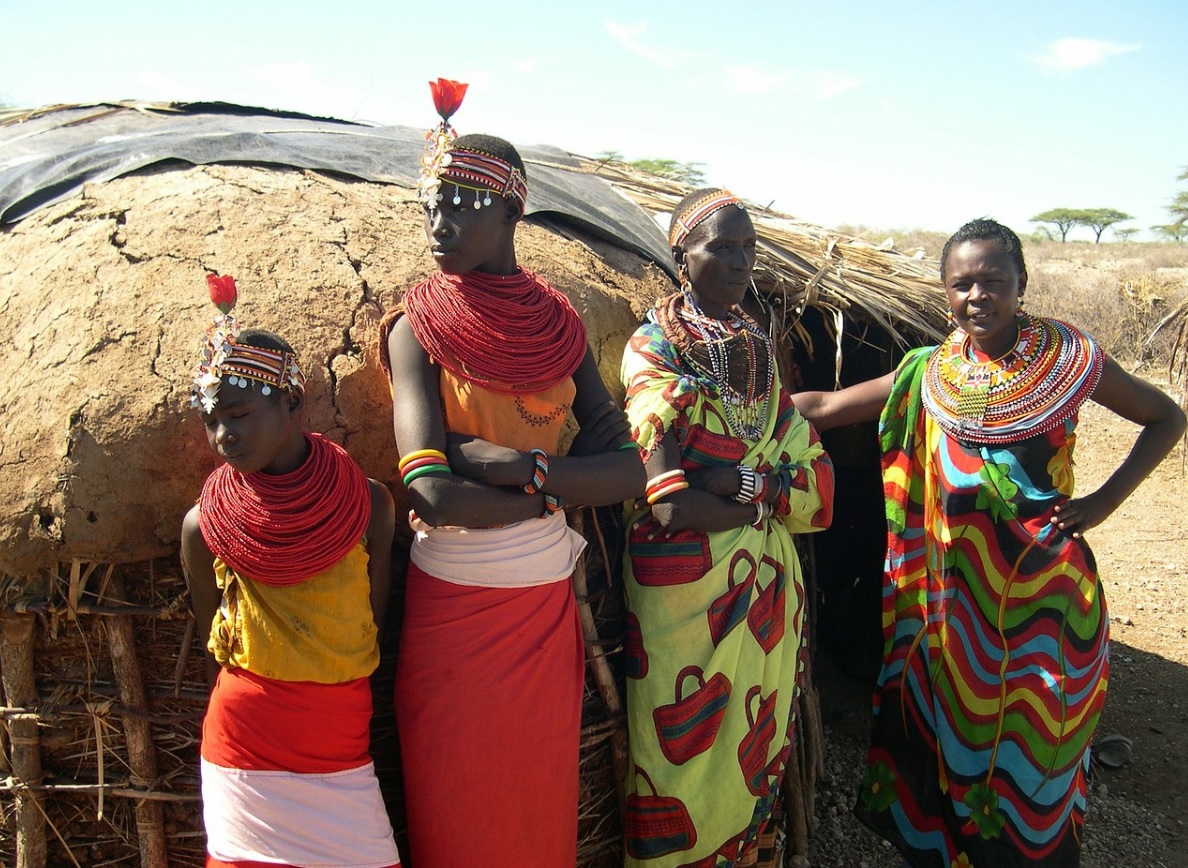
Some 82 percent of people living in extreme poverty in Africa live in rural areas and earn what little money they have primarily from farming. Fragile and conflict-affected states have notably higher poverty rates, and lack of education, health, and skills as well as persistent inequality between men and women make poverty reduction harder.
According to the report, fertility has declined much more slowly in Africa then elsewhere, holding poverty reduction back. With a total fertility rate of 4.8 births per woman, Africa is the fasted growing continent (2.7 percent per year) and its demographic transition is slow. Rapid population growth and high fertility in many countries in Sub-Saharan Africa hold back poverty reduction in several ways. It will be critical for African countries to accelerate the fertility transition, through cost-effective interventions like family planning programs, which complement efforts to increase female education and increase their income opportunities for greater empowerment. With fewer children, families and governments will have the opportunity to invest more in each child's human capital.
On the other hand, the food imports in Africa have augmented sharply over the past couple of decades (from around US$ 10 billion in the early 2000s to USD 35-40 billion more recently). Boosting the productivity of farmers who grow staple crops on small plots of land, in staples, but also other crops and livestock, can help poor people in Africa leverage the food system, earning more money from what they grow and helping meet the demand coming from cities for higher-value crops. This must be accompanied by public investment in agricultural research and extension, irrigation, and rural infrastructure. There is large scope for technology and inclusive sourcing to help connect poor farmers to better production techniques and more lucrative markets – bringing them into the value chain more effectively.


 Google News