

Coronavirus scare sows confusion: Wear or not to wear face masks?
The World Health Organization and the Centers for Disease Control and Prevention (CDC) of the United States say that it is not advisable to wear a facemask unless you are taking care of a person with the suspected 2019-nCoV infection.
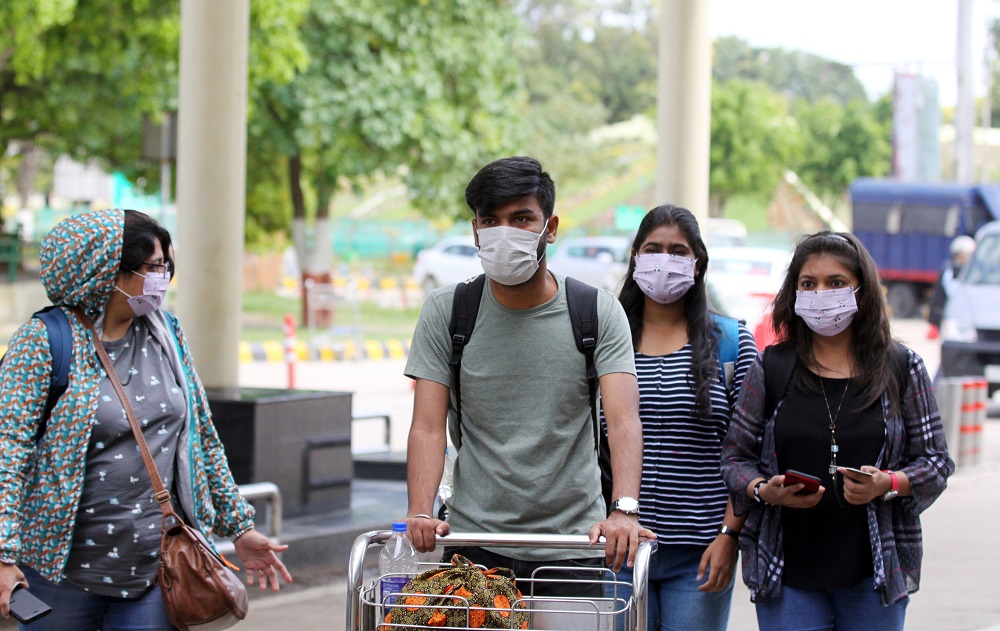
- Country:
- India
With the rapid escalation of the cases of COVID-19, people are practicing social distancing measures, wearing masks and gloves to thwart the further spreading of the deadly disease that has already claimed 7,529 deaths as of March 17, 2020.
Panic buying and increasing demand for medical supplies including surgical masks, N95 respirators, goggles, and gloves are endangering the lives of doctors, nurses and other frontline workers who rely on them to protect themselves and their patients from being infected and infecting others, the World Health Organization warned in a release earlier this month.
"We also ask people to express their solidarity by refraining from hoarding essential items, including medicines.Hoarding can create shortages of medicines and other essential products, which can exacerbate suffering"-@DrTedros #COVID19 #coronavirus
— World Health Organization (WHO) (@WHO) March 16, 2020
Seriously people- STOP BUYING MASKS! They are NOT effective in preventing general public from catching #Coronavirus, but if healthcare providers can't get them to care for sick patients, it puts them and our communities at risk! https://t.co/UxZRwxxKL9
— U.S. Surgeon General (@Surgeon_General) February 29, 2020
Amidst this crisis, people are confused about whether they should put on a face mask or not? CDC says most facemasks do not effectively filter small particles from the air and do not prevent leakage around the edge of the mask when the user inhales. The role of facemasks is for patient source control, to prevent contamination of the surrounding area when a person coughs or sneezes.
Who should wear a face mask?
- Sick or those caring for someone who is sick
- Health care workers
Remember, a mask should only be used by health workers, care takers, and individuals with respiratory symptoms, such as fever and cough.
The World Health Organization and the Centers for Disease Control and Prevention (CDC) of the United States say that it is not advisable to wear a facemask unless you are taking care of a person with the suspected 2019-nCoV infection. Some health experts say that masks and gloves could even increase the risk of coronavirus infections.
What should the public do?
Hand washing and social distancing are two of the best ways to help stop the spread of novel coronavirus, according to U.S. Surgeon General Jerome Adams. Since COVID-19 is most likely to spread from person-to-person, social distancing is crucial to slow and stop the spread of the disease.
Here is what the WHO, CDC, and other health experts and organizations recommend for the general public.
- Wash your hands often with soap and water for at least 20 seconds
- Use a hand sanitizer that contains at least 60 percent alcohol if you don't have access to soap and water
- Clean and disinfect regularly touched objects and surfaces
- Avoid social gathering and close contact with people who have symptoms of coronavirus
- Take breaks from watching, reading, or listening to news stories, including social media. Hearing about the pandemic repeatedly can be upsetting.
- Eat healthy meals and drink enough water. Do simple exercises and yoga to stay mentally and physically active.
- Work or study from home, if possible
- Avoid all nonessential travels as much as possible
- Use online services or mobile phones to contact essential services


 Google News