

Today’s Top Priorities for Growing Cities
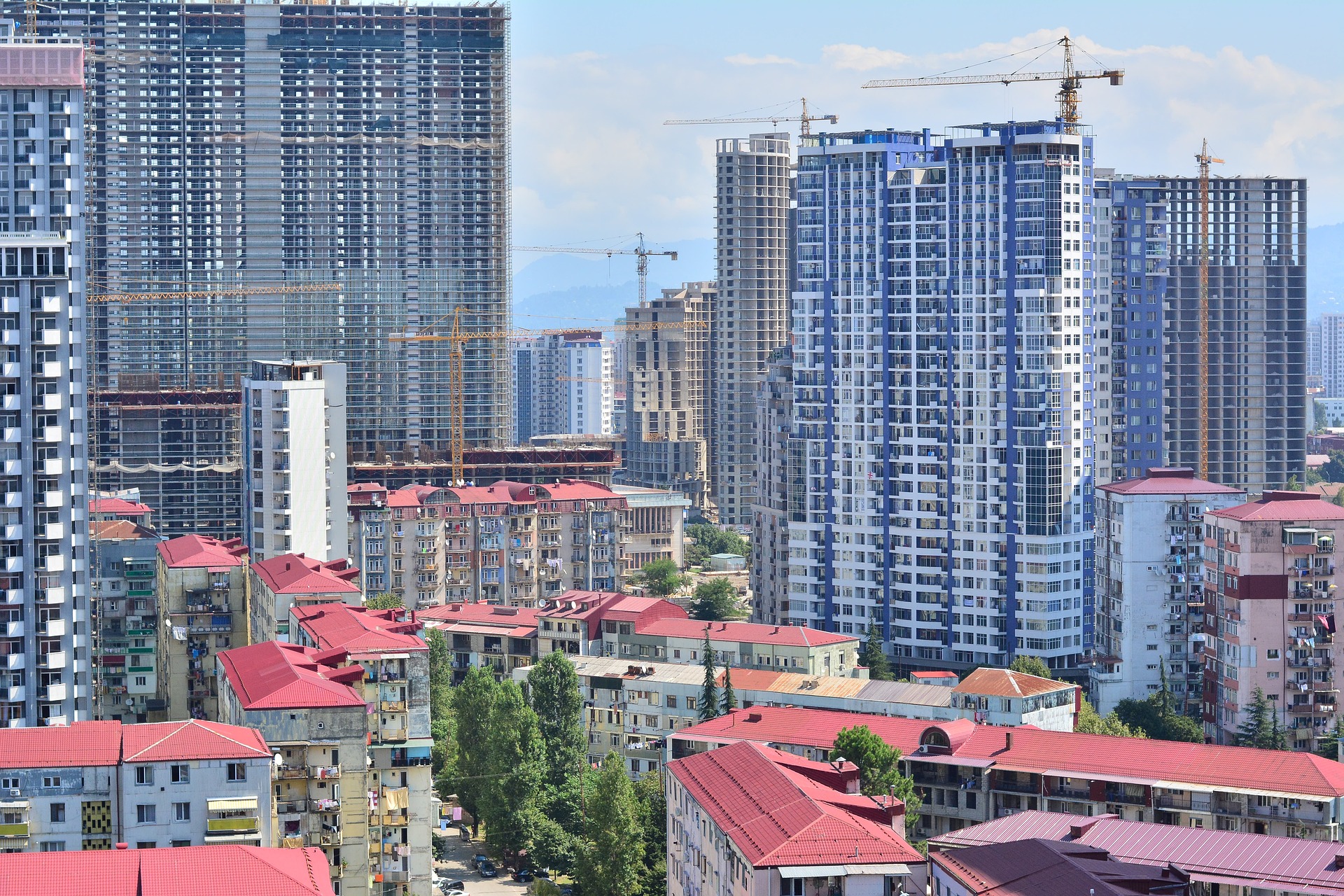
As the world continues to urbanize, more and more cities are experiencing rapid growth. These growing cities face a unique set of challenges, from managing infrastructure to providing affordable housing and transportation. In this blog post, we will explore the top priorities for growing cities and discuss strategies to ensure sustainable growth.
First, it's important to define what we mean by "growing cities." A growing city is a metropolitan area that is experiencing significant population growth, economic development, and urbanization. These cities are often characterized by a rapidly changing landscape, with new buildings, businesses, and residents moving in at a fast pace.
The purpose of this blog post is to highlight the most pressing priorities for growing cities, which can help city planners, policymakers, and citizens prioritize their efforts to ensure the long-term sustainability and prosperity of their communities. By focusing on these key areas, growing cities can overcome the challenges of rapid growth and create a vibrant, livable, and sustainable environment for all their residents.
Infrastructure
Cities must have adequate infrastructure to grow and develop. Transportation, utilities, and other fundamental services are in greater demand as the population grows. Cities may become congested, ineffective, and unsustainable without sufficient infrastructure. Cities can't expand in an efficient and effective way, nor address the needs o the growing population, without having the right infrastructure in place to support those things.
In order for cities to grow and develop, infrastructure is essential. It lays the groundwork for economic activity and social interaction by linking individuals and organizations to markets, services, and other entities. By giving locals access to clean water, dependable power, and effective transportation, good infrastructure can also improve their quality of life.
There are numerous instances of infrastructure initiatives that can help developing cities. For instance, expanding public transportation systems can improve air quality, lessen traffic, and increase resident mobility. The construction of new sewage and water treatment facilities can boost the economy while also enhancing public health and the environment. Cities can save energy and cut greenhouse gas emissions by investing in smart grid technology.
Image Credit: Pexels
Sustainability
Any city's expansion must include sustainability, especially those that are expanding quickly. In order to be sustainable, a city must be able to meet the needs of its current residents without jeopardizing the ability of future generations to do the same. We're going to look at the role of government and citizens in promoting sustainability, as well as the significance of sustainability in developing cities. We will also provide examples of sustainable practices that can benefit these cities.
The long-term prosperity and livability of expanding cities depend on sustainability. Cities are faced with a variety of environmental and social issues as they grow, including social inequality, pollution, and climate change. Adopting sustainable practices can assist in overcoming these obstacles and fostering a more just and prosperous future for all locals.
Sustainable practices have a variety of advantages for developing cities. For example, spending money on renewable energy sources like solar and wind energy can lower greenhouse gas emissions and enhance air quality. Promoting green building practices can assist cities in becoming more waste- and energy-efficient. Encouragement of environmentally friendly modes of transportation, such as walking, cycling, and public transportation, can ease traffic, enhance air quality, and encourage an active lifestyle.
Transportation
Every aspect of a growing city, from economic activity to quality of life, is impacted by transportation. Cities must find ways to control traffic, cut down on pollution, and offer effective and affordable transportation options as populations grow and demand for transportation rises. There are lots of ways in which cities around the world are looking to tackle this problem today.
The expansion and development of cities are significantly influenced by transportation. It promotes economic activity, makes it possible for people and goods to move around, and links locals to services and amenities. However, there are also drawbacks to some types of public transportation, such as snarled traffic, smog, and noise.
It is necessary to implement strategies that lessen negative impacts while enhancing positive ones in order to improve transportation in developing cities. Investing in public transportation, such as light rail systems, buses, and trains is one tactic. That helps to reduce pollution and car use; sustainability in transport is a huge theme these days. When done well, public transportation can lessen traffic and pollution and is frequently more cost-effective and effective than private vehicles.

Image Credit: Pexels
Housing
The provision of affordable housing for their residents is one of the biggest problems facing cities that are expanding. Demand for housing rises along with population growth, pushing up costs and making it more challenging for low- and middle-income families to find affordable housing. The difficulty of providing affordable housing in expanding cities, strategies for promoting affordable housing, and the roles of the public and private sectors in resolving housing issues are all important.
One of the biggest problems facing many developing cities is the lack of affordable housing. People may be forced to relocate further from the city center or live in unsanitary and overcrowded conditions when housing costs rise too high. As a result, there may be more traffic congestion, longer commutes, and less access to amenities and services.
Various tactics can be used to promote affordable housing in expanding cities. One strategy is to give developers incentives, like tax breaks, zoning exemptions, or lower development fees, to build affordable housing units. Cities can also encourage the construction of mixed-income neighborhoods that combine market-rate and affordable housing units.
In Conclusion
In conclusion, growing cities face a variety of difficulties as they work to serve their citizens' needs and encourage sustainable growth. The long-term success of these cities depends on giving priority to infrastructure, healthcare, economic development, sustainability, transportation, and housing.
Investments in infrastructure can increase safety, connectivity, and economic growth. The health of the population and the workforce depends on healthcare and education. Economic growth can be fueled by economic development strategies that support innovation and job creation.
(Devdiscourse's journalists were not involved in the production of this article. The facts and opinions appearing in the article do not reflect the views of Devdiscourse and Devdiscourse does not claim any responsibility for the same.)


 Google News