

Rising Extremism in Bangladesh: Global Blind Spot
Fazal ur Rehman Afridi criticized Bangladesh's human rights crisis at the UN. Increasing Islamic extremism, declining judicial integrity, and persecution of minorities were highlighted. The press faces suppression, while activist Rayhan Rashid noted growing threats to the LGBTQ community and political freedom. Criticism extends to Nobel laureate Muhammad Yunus's leadership.
- Country:
- Switzerland
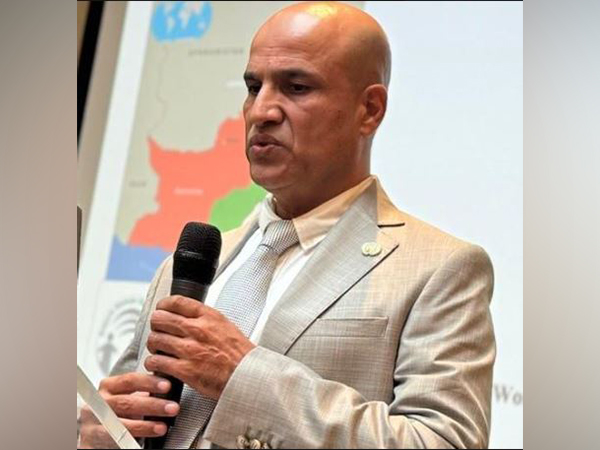
In a sharp critique delivered at a UN Human Rights Council side event, human rights activist Fazal ur Rehman Afridi warned about the worsening human rights situation in Bangladesh, exacerbated by the rising tide of Islamic extremism. Afridi's remarks focused on the accelerating threats to pluralism and tolerance in the country.
Afridi highlighted the vulnerability of Bangladesh's security and judicial framework under the interim government of Chief Adviser Muhammad Yunus. He pointed out an increasing culture of impunity where rights violators go unchecked, emphasizing the collapse of initial optimism for Yunus's reforms and the ensuing deterioration in rule of law.
The activist further criticized the stifling of media freedom and the suppression of journalists, who are labeled as conspirators for exposing the harsh realities. Echoing Afridi's concerns, Rayhan Rashid, another rights advocate, drew attention to the alarming decline in human rights, particularly affecting minorities and the LGBTQ community, while judicial integrity erodes, with extremist influences rising.
ALSO READ
-
Colombia’s Former Enemies Join Search for Disappeared as UN Praises Victim Justice
-
US Migrant Transfer Deals Put Thousands at Risk of Torture and Abuse, Experts Warn
-
Bangladesh Secures $100m ADB Loan to Help 40,000 Families Build Safer Homes
-
Century After Slavery Convention, Millions Still Wait for Freedom and Justice
-
Forever Chemicals Fuel Unequal Pollution Burden as UN Expert Calls for Urgent Bans


 Google News