

Terror threat still looms in Sri Lanka, authorities alert for 'Ramadan' month
- Country:
- Sri Lanka
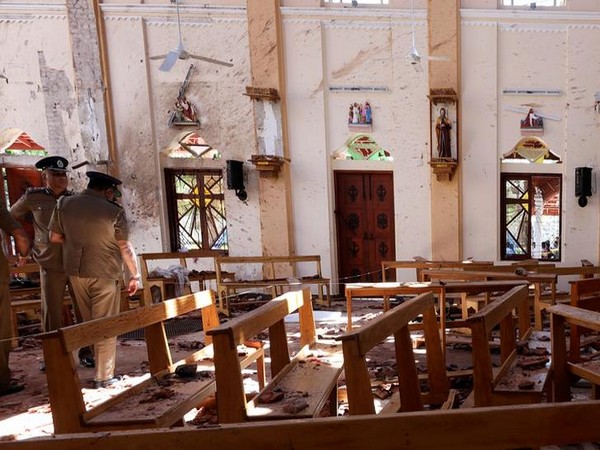
Sunday mass in Colombo's Catholic churches has been cancelled again for the second straight week as the terror threat is still persistent in Sri Lanka according to foreign intelligence warnings. The development comes days after it was announced that public mass would resume from May 5.
Sri Lankan security forces have said they were maintaining a high level of alert as intelligence reports indicated the militants were likely to strike before the beginning of the Islamic holy month of Ramadan, which is due to begin on Monday. And the U.S. ambassador to Sri Lanka said this week that some of the Islamist militants behind the Easter bombings that killed over 250 people were likely to be still at large and could be planning more attacks.
On April 21, suicide bombers attacked three churches and three hotels across Sri Lanka. Soon after, the U.S. Embassy in Colombo warned against attending services at any place of worship in the multiethnic nation of 21 million Buddhists, Christians, Hindus and Muslims. Catholic leaders then closed all their churches. Cardinal Malcolm Ranjith, the archbishop of Colombo, celebrated Mass this past Sunday at his residence, with the country's leaders attending.
"The security situation has not improved yet," Colombo Archdiocese spokesman Edmund Tillekeratne said on Friday.
Colombo's Archbishop, Cardinal Malcolm Ranjith, said on Thursday that a "highly reliable foreign source" had warned of an attack on a prominent church. He also requested that all private Catholic schools in and around the capital remain shut for now.
Schools are due to reopen again on Monday, and the Education Ministry has said at least one police officer will be posted at each institution to protect children. Sri Lankan authorities, who have come under fire for not acting on repeated warnings about attacks, did not immediately respond to a request for comment.
Police suspect members of two previously little-known Islamist militant groups based in Sri Lanka - National Thawheedh Jamaath and Jammiyathul Millathu Ibrahim - of carrying out the April 21 attacks. Sri Lanka has previously said that they suspect the attackers had international links, although the precise nature of those connections isn't known.
Islamic State has claimed responsibility for the coordinated bombings in Sri Lanka but has not given evidence for its claim. The U.S. Federal Bureau of Investigation and Interpol, as well as other undisclosed foreign agencies, are helping Sri Lanka with the probe.
Local intelligence officials believe that Zahran Hashim, a Tamil-speaking preacher from the east of the Indian Ocean island country, could have played a key role in plotting the Easter bombings. Officials believe he was one of nine suicide bombers.


 Google News