

DUI Arrests - How Technology is Changing the Game in Florida
Driving under the influence (DUI) has long been a significant public safety concern, both in Florida and across the United States. Over the years, law enforcement strategies aimed at curbing DUI incidents have evolved in response to the changing landscape of the issue. The traditional methods, often reliant on human judgment and basic protocols, were the mainstay for decades. However, the rise of technology in the 21st century has brought forth new methods that promise greater efficiency and accuracy in detecting and apprehending DUI offenders. Specifically in Florida, a state with unique challenges concerning DUI arrests, technology is playing a transformative role, heralding a new era in the fight against intoxicated driving.
The Traditional Approach to DUI Arrests in Florida
Historically, DUI arrests in Florida, like much of the country, were primarily dependent on a combination of manual checkpoints and routine traffic stops. At these checkpoints, law enforcement officers would set up at specific locations, stopping vehicles at random or based on a predetermined pattern to check for signs of driver impairment. This often involved officers relying on their trained instincts and observations, such as the scent of alcohol, slurred speech, or visible intoxication.
Routine stops, on the other hand, typically occur when an officer observes a motorist exhibiting erratic or suspicious driving behaviors, such as swerving, speeding, or running a red light. Once pulled over, a series of field sobriety tests would usually follow. These could include the walk-and-turn test, the one-leg stand test, and the horizontal gaze nystagmus test.
While these traditional methods have undoubtedly led to countless DUI arrests and potentially saved many lives, they come with limitations. The effectiveness of checkpoints often depended on the location and timing, and they were resource-intensive.
Officers had to be stationed for extended periods, and not every intoxicated driver would necessarily pass through a checkpoint. Moreover, routine stops and field sobriety tests were subject to human error. This has meant and uptake in unlawful arrests, with many drivers being charged and requiring representation from a skilled DUI attorney in order to prove their innocence.
Officers had to make judgment calls, which, despite their training, could sometimes be subjective or influenced by external factors. As a result, there was a pressing need for a more streamlined, objective, and comprehensive approach to DUI detection and arrest, a gap that emerging technologies are now poised to fill in Florida.
Enter Technology - A New Dawn in DUI Detection
In recent years, technology has emerged as a significant ally for law enforcement agencies in their pursuit to combat DUI offenses. As tech-driven solutions continue to penetrate various sectors of society, it's no surprise that DUI detection is also witnessing a paradigm shift, with innovations offering more efficient, less intrusive, and highly accurate means to identify and apprehend violators.
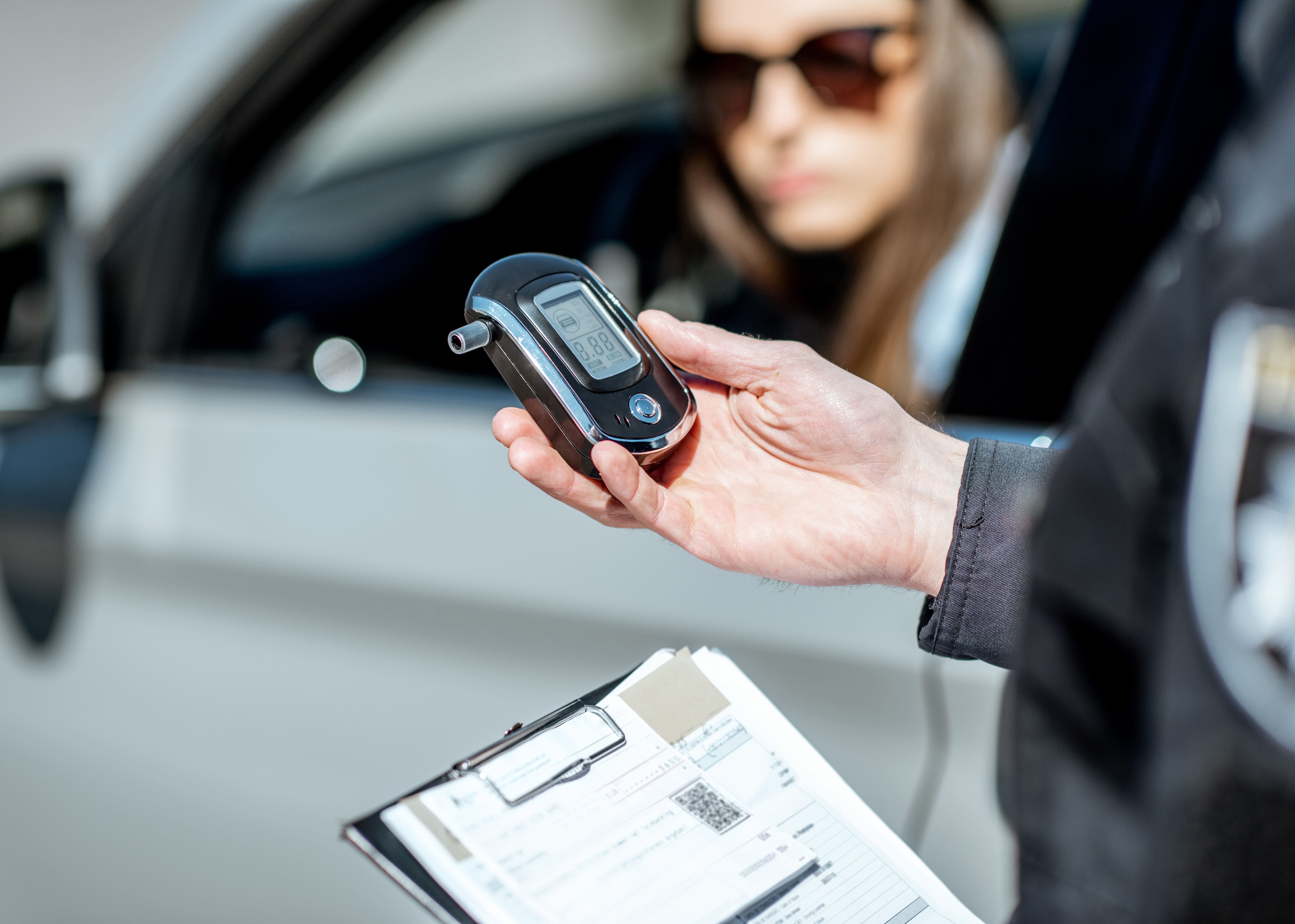
One of the ground-breaking tools in this tech revolution has been the digital breathalyzer, which offers instant blood alcohol content (BAC) readings with higher precision than older models. Similarly, the integration of DUI detection systems in some modern vehicles, which prevent the car from starting if the driver's BAC is above the legal limit, represents a proactive approach to the issue.
But among these advancements, flock cameras have emerged as a standout. These specialized cameras, equipped with license plate reading technology, not only aid in real-time monitoring and data collection but also provide an overarching surveillance network that can alert authorities about potential DUI offenders on the move. Their deployment in Florida, in particular, is making waves and promising a future where DUI enforcement is both smarter and more effective.
Flock Cameras - The Game-Changing Technology in DUI Enforcement
Flock cameras, at their essence, represent the next frontier in public safety surveillance. While their name might evoke images of birds or movement, in the context of law enforcement, these cameras have nothing to do with avian activity. Instead, they offer a birds-eye view, figuratively speaking, into real-time vehicle movements and potential infractions.
At the core of flock camera technology is the license plate reading capability. These cameras are designed to capture, decode, and process license plate numbers from passing vehicles swiftly. Using advanced optical character recognition (OCR) algorithms, flock cameras can discern license plate numbers even at high speeds, during the night, or in less-than-ideal weather conditions. Once a plate is captured and processed, the data is compared to a database of flagged vehicles or infractions in real time.
Florida's embrace of this technology is notable. The state, with its expansive road networks and diverse urban and rural regions, has seen the deployment of flock cameras in various strategic locations, from bustling city intersections to quieter suburban roads. While the exact scale of deployment is continually expanding, cities like Miami, Tampa, and Orlando have been early adopters, witnessing a tangible impact on DUI detections and subsequent arrests.
The advantages of flock cameras in the realm of DUI enforcement are multifield. Firstly, there's the accuracy. Unlike human-led observations, the digital nature of flock cameras ensures that there's minimal room for errors or oversight.
Real-time alerts are another significant boon. If a vehicle associated with a previous DUI infraction or a reported incident is spotted, authorities can receive instant notifications, enabling them to act swiftly. Furthermore, the data storage capabilities of these systems mean that there's always a digital trail. This can be pivotal for investigations, evidence collection, and even as a deterrent, knowing that one's vehicle movements are potentially being monitored.
So while traditional methods of DUI detection have their merits, technologies like flock cameras signify a shift towards a more data-driven, precise, and proactive approach, with Florida leading the charge in this new era of enforcement.
Privacy Concerns and Ethical Implications
As with most technological advancements that involve data collection, flock cameras' increasing prevalence in DUI enforcement has raised a myriad of privacy concerns and ethical debates. At the heart of this discussion is the delicate balance between public safety and individual privacy rights.
For starters, the vast amount of data amassed by flock cameras has the potential for misuse. Beyond DUI detections, the recorded license plates, time stamps, and location data could be used to track an individual's movements, habits, and routines without their consent. Such a treasure trove of data in the wrong hands or misused even by legitimate entities can lead to invasions of privacy or potential harassment.
Public sentiment reflects these concerns. Many citizens, while recognizing the importance of curbing DUI offenses, feel uneasy about the constant surveillance. The overarching fear is that the net cast by these cameras is too wide, capturing the data of countless innocent drivers under the guise of law enforcement.
Moreover, there's the issue of technological biases. Just as facial recognition software has faced scrutiny for racial biases, there's a concern that license plate recognition could inadvertently target specific communities or demographics, leading to unfair enforcement.
Addressing these concerns requires a multi-faceted approach. Clear regulations on data storage, access, and usage are paramount. Periodic audits and transparency reports can ensure the public that misuse is minimized. Additionally, continuous refinement of the technology, coupled with unbiased training datasets, can mitigate potential biases, ensuring that flock cameras are used as intended: to promote public safety without compromising individual rights.
Other New Technologies Used in the Fight against DUIs
While flock cameras have carved a significant niche in DUI detection, they are just one piece of the technological tapestry that law enforcement agencies are weaving in their fight against impaired driving.
-
Advanced Breathalyzers - Today's breathalyzers are a far cry from their predecessors. Incorporating cutting-edge sensors and digital interfaces, they provide instant, accurate readings, minimizing the margin of error. Some models can even detect other substances beyond alcohol, offering a comprehensive assessment of a driver's sobriety.
-
Ignition Interlock Devices (IIDs) - Growing in popularity, these devices require drivers to provide a sober breath sample before the car's ignition can be started. By making it physically impossible for intoxicated drivers to start their vehicles, IIDs serve as a preventative measure.
-
Wearable Tech - New wearable devices, akin to fitness trackers, are being developed to measure alcohol levels in real time through the wearer's skin. Such devices can send alerts if alcohol levels exceed pre-set thresholds, notifying concerned parties or even interfacing with a vehicle to prevent ignition.
-
Machine Learning & AI - As artificial intelligence continues to evolve, there's potential for predictive analytics that could help law enforcement anticipate and prevent DUIs based on patterns. Such systems could analyze behaviors, past incidents, and more to flag high-risk individuals or areas.
-
Mobile Apps for Public Use - Encouraging community involvement, apps are now available for civilians to report suspected DUIs. Additionally, ride-sharing apps with features alerting users if they've had too much to drink and suggesting alternative transportation have also gained traction.
Together, these innovations, when integrated cohesively, create a formidable arsenal against DUIs. Their collective potential not only lies in detection and deterrence but also in creating a societal framework where DUIs become increasingly rare and stigmatized.
Florida - The Fight Against DUI Crime
Florida stands at the forefront of a technological revolution, with DUI enforcement witnessing transformative changes. The adoption of flock cameras symbolizes not only a move towards greater efficiency but also an embrace of innovations that promise a safer roadway for all. While challenges like privacy concerns persist, the potential for these technologies to save lives is undeniable.
Looking forward, as technology continues to advance, Florida's DUI detection methods may further evolve, drawing closer to a future where driving under the influence becomes a relic of the past.
(Devdiscourse's journalists were not involved in the production of this article. The facts and opinions appearing in the article do not reflect the views of Devdiscourse and Devdiscourse does not claim any responsibility for the same.)


 Google News