

The Thrill and Psychology Behind 'Dine and Dash'
This article delves into the psychology behind the act of 'dine and dash'—leaving a restaurant without paying. It examines motivations such as boredom, thrill-seeking, and social status while highlighting the effects on victims and how perpetrators justify their actions.
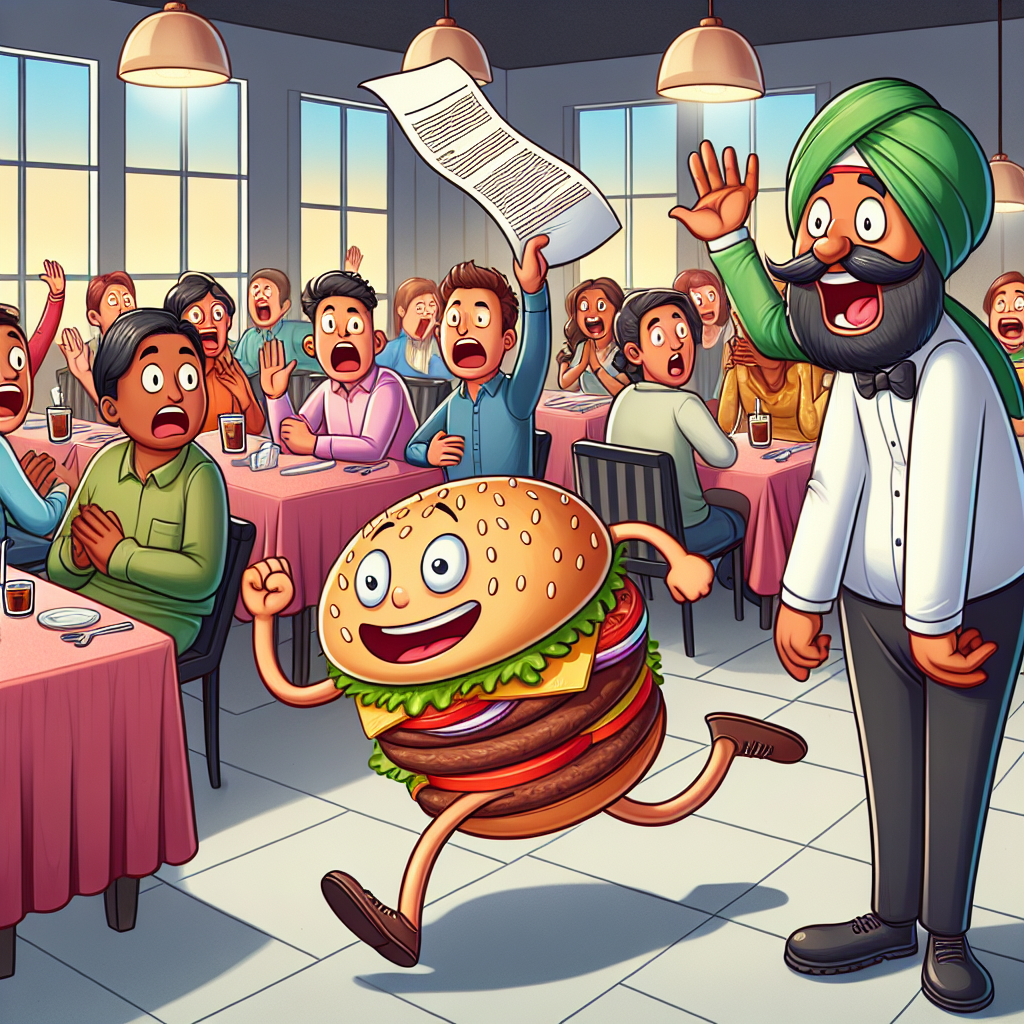
Ormskirk (UK), Jun 5 (The Conversation)—The phenomenon of 'dine and dash,' where customers leave a restaurant without paying, appears to be on the rise, according to newspaper reports. Psychology research suggests that the motives behind this deceptive act are complex.
Even I, the author, once engaged in this act during my youth. My friend's nonchalant attitude towards it mirrors a recent case involving a couple in Swansea caught on CCTV. Their brazen behavior at multiple eateries eventually led to prison sentences.
The motivations behind such acts range from thrill-seeking—what psychologists term as 'duping delight'—to a desire for social status. Complex psychological factors and personality traits, such as low boredom tolerance and a lack of empathy, play significant roles. Justifications for such behavior often involve denying harm or framing it as a treat for companions, suggesting a deeper layer of societal and psychological interplay.


 Google News