

Libya's Dinar Crisis: The Counterfeit Currency Flood
Unofficial Libyan banknotes, some printed in Russia, are being exchanged for real dollars, causing the dinar to devalue. The money is suspected to fund projects in eastern Libya, Russian mercenary activities, and has exacerbated economic divisions. Efforts to reunify banks and curb counterfeit circulation are ongoing.
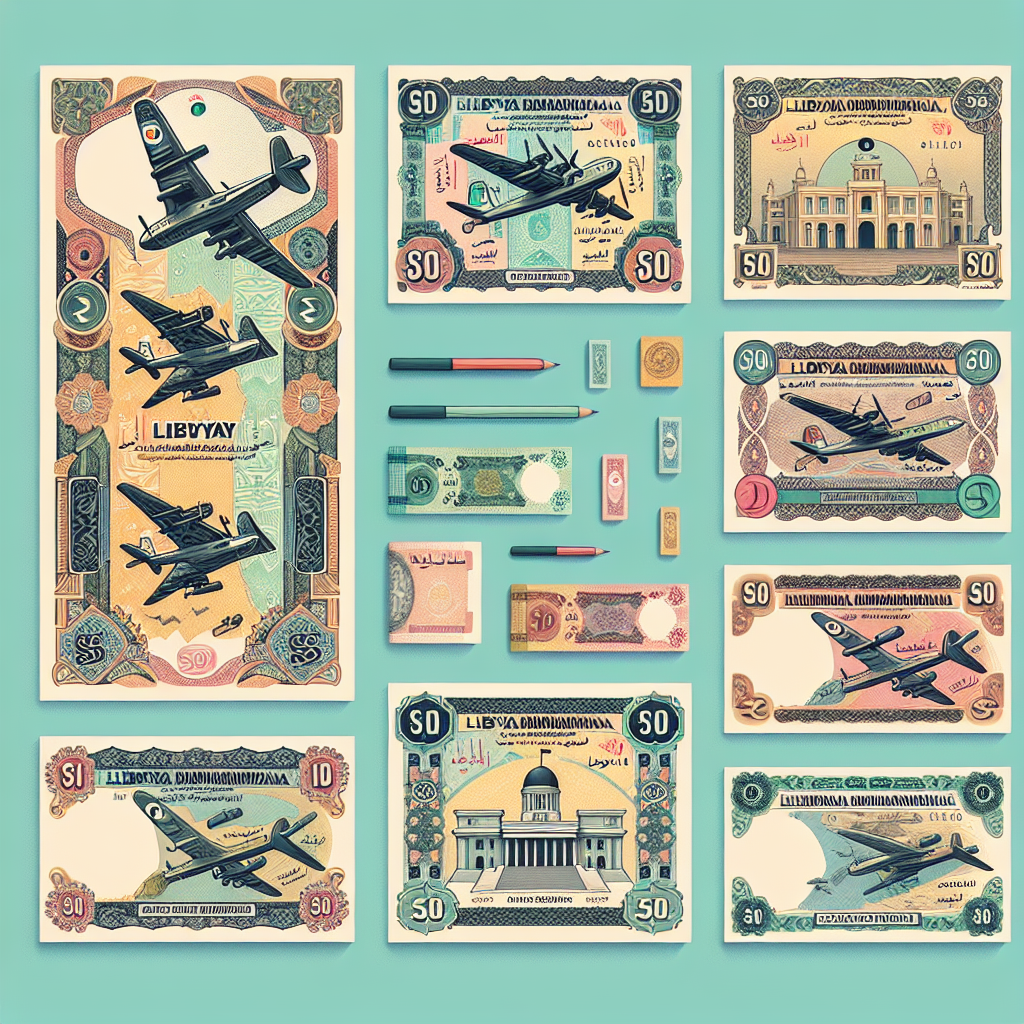
Unofficial Libyan banknotes exchanged for real dollars are devaluing the dinar, sources told Reuters. Some notes, printed by Russia and exported to eastern Libya, are funding infrastructure projects and potentially Russian mercenary activities. The Central Bank of Libya (CBL) in Tripoli deems these notes counterfeit, yet they circulate on the black market and local banks.
The Sentry, a group focused on corruption, flagged Russia's role in this infusion. Despite 2020's truce and efforts to unify institutions, political solutions remain elusive. The U.S. sanctioned Russia's state printer Goznak in June for printing over $1 billion in counterfeit currency. The currency issued by Benghazi's eastern CBL worsened economic fragmentation, leading to differing exchange rates.
In April, CBL announced it would withdraw all 50-dinar notes by August to counter counterfeit impacts. The diplomatic source described it as a major concern, impacting the dinar and funding Wagner-related debts or the Africa Corps. Eastern Libya remains under Haftar's control, with Russian mercenaries present, posing a 'serious threat' to Libya’s banking system.


 Google News