

Assassination of Hamas Leader Ismail Haniyeh Fuels Middle East Tensions
Ismail Haniyeh, a leading figure in Hamas, was assassinated in Tehran, triggering threats of revenge against Israel and raising fears of a wider Middle East conflict. Although Israel is widely suspected, the government has neither confirmed nor denied responsibility. The killing casts doubt on ongoing ceasefire talks in Gaza.
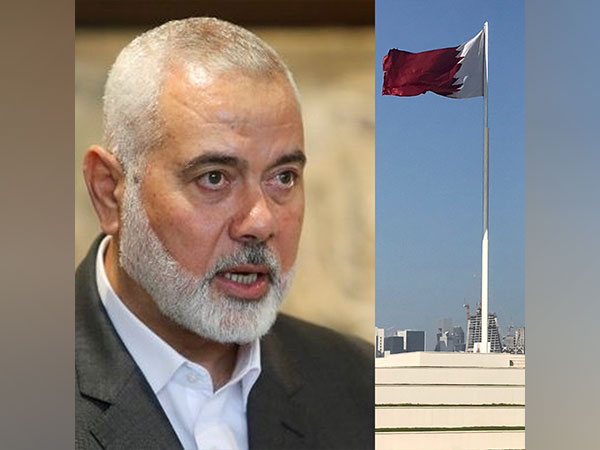
Ismail Haniyeh, the leader of Hamas, was assassinated early Wednesday in Tehran, an act that incited threats of retaliation against Israel and heightened concerns of expanding Middle Eastern unrest. Both Hamas and Iran's Revolutionary Guards confirmed Haniyeh's death, which came shortly after he attended Iran's presidential swearing-in ceremony.
Despite widespread assumptions of Israeli involvement, Prime Minister Benjamin Netanyahu's government remained silent on the matter. Haniyeh, who was targeted by a missile in a Tehran state guesthouse, had represented Hamas in international ceasefire negotiations amidst the ongoing conflict in Gaza sparked by Hamas's October 7 attack on Israel.
Netanyahu, without mentioning Haniyeh's assassination, warned of challenging days ahead for Israel, emphasizing the country's readiness to retaliate against any aggression. Iran's Supreme Leader Ayatollah Ali Khamenei and other regional leaders condemned the assassination, further complicating the prospect of a ceasefire in Gaza.


 Google News