

South Sudan’s Natural Wealth: A Double-Edged Sword for Development
South Sudan’s natural resources hold the key to its economic transformation, but weak governance, environmental threats, and poor infrastructure pose significant challenges. The World Bank’s South Sudan Natural Resources Review outlines solutions for sustainable fisheries, forestry, and tourism industries that could boost economic growth while preserving the country’s rich biodiversity. Strategic governance reforms, investment in infrastructure, and climate resilience measures are crucial to ensuring long-term prosperity.
 CoE-EDP, VisionRI
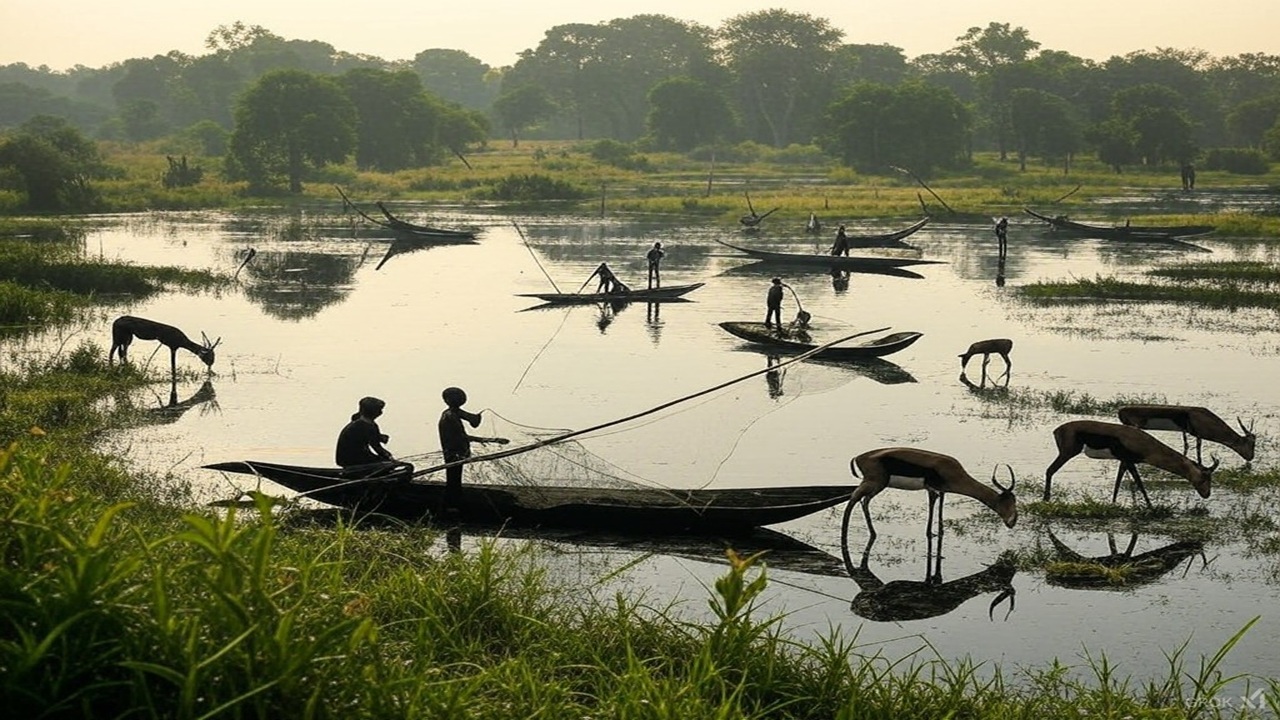
The South Sudan Natural Resources Review, published by the World Bank Group, provides an in-depth analysis of the country's vast natural resources, highlighting both their immense potential and the risks posed by weak governance, climate change, and economic instability. As South Sudan emerges from years of conflict, the report underscores the urgent need for sustainable management strategies to harness these resources for long-term development. South Sudan is home to some of the world's richest renewable natural resources. Its fisheries, forests, and wildlife support millions of people, yet they remain underutilized and poorly managed. The country's White Nile floodplain and Sudd wetland sustain one of the most productive freshwater fisheries globally. However, a lack of infrastructure and cold storage leads to high postharvest losses, limiting economic benefits. Forests cover nearly 30% of South Sudan's land, offering an opportunity for sustainable timber production and carbon sequestration. Yet, illegal logging and charcoal production threaten these vital ecosystems. Meanwhile, South Sudan hosts one of the largest ungulate migrations on Earth in the Boma-Badingilo-Jonglei landscape, a potential goldmine for eco-tourism. Unfortunately, rampant poaching and a 90% decline in wildlife populations pose a serious challenge to conservation efforts.
As South Sudan seeks economic growth, the challenge lies in balancing development with conservation. Agriculture expansion, infrastructure projects like the Jonglei Canal, and increased oil and mineral exploration risk further environmental degradation. The oil sector, which currently dominates the economy, has caused pollution and deforestation, with mining expansion potentially worsening these issues. Weak governance and widespread corruption continue to impede sustainable resource management. Without institutional reforms and stricter regulations, the benefits of South Sudan's natural wealth may remain out of reach for its citizens. The World Bank report highlights potential solutions to unlock economic growth while preserving natural resources. Investing in cold storage, improving transport infrastructure, and regulating exports could significantly boost revenue and job creation in the fisheries sector. Strengthening community-based forest management and restoring teak plantations could generate over $1 billion annually. Developing conservation-based tourism, similar to Kenya and Tanzania, could create employment while protecting biodiversity.
For South Sudan to fully capitalize on its natural wealth, the report recommends strengthening governance, enforcing regulations, reducing corruption, and ensuring revenue from resources benefits local communities. Improving transport, energy, and storage facilities can support agriculture, fisheries, and tourism. Empowering local populations in decision-making and resource management ensures equitable distribution of benefits. Reducing dependence on oil by expanding industries like fisheries, forestry, and eco-tourism can help diversify the economy. Implementing strategies to mitigate the effects of flooding and droughts on livelihoods and food security is crucial for climate resilience. The South Sudan Natural Resources Review provides a roadmap for sustainable development, emphasizing the importance of governance, infrastructure, and conservation. By addressing key challenges and implementing strategic interventions, South Sudan has the potential to transform its natural wealth into a driver of economic growth, stability, and long-term prosperity.
- FIRST PUBLISHED IN:
- Devdiscourse


 Google News