

G20 Reaffirms Commitment to Strengthening Global Financial Integrity and Inclusion
Cape Town Meeting Highlights Enhanced Efforts Against Financial Crimes and Unbanked Populations.
- Country:
- South Africa
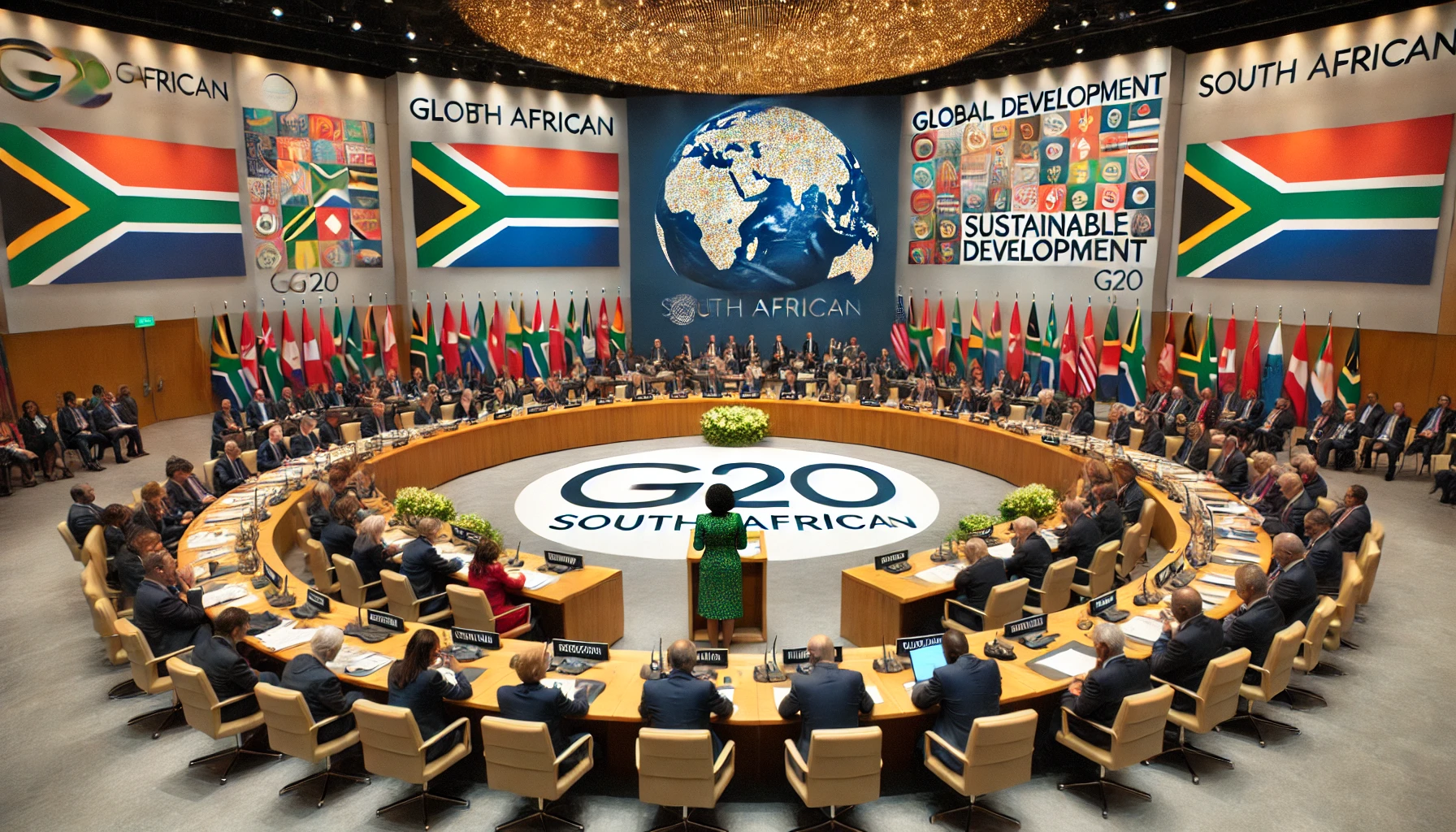
The G20 Finance Ministers and Central Bank Governors have reaffirmed their commitment to supporting the Financial Action Task Force (FATF) in its mission to combat money laundering, terrorist financing, and the proliferation of weapons of mass destruction. This was highlighted in the Chair's Summary following the G20 Presidency meeting held in Cape Town on February 26–27, 2024.
During the meeting, G20 members emphasized the importance of accelerating global efforts to enforce the FATF's revised Standards concerning the transparency of beneficial ownership of legal entities and arrangements. These measures aim to prevent criminals from obscuring illicit financial gains and to enhance asset recovery and international cooperation.
Furthermore, the ministers endorsed ongoing initiatives to update the FATF's Standards on payment transparency and the regulation of virtual assets. They welcomed the FATF's pledge to uphold financial integrity while ensuring financial inclusion, particularly by promoting risk-based implementation of its standards. Additionally, G20 members expressed strong support for assisting low-capacity countries in meeting Anti-Money Laundering/Combating the Financing of Terrorism/Countering Proliferation Financing (AML/CFT/CPF) requirements.
The FATF remains the primary international authority responsible for establishing and monitoring compliance with anti-money laundering and financial crime prevention standards globally.
Advancing Global Financial Inclusion
The meeting also underscored progress in global financial inclusion efforts, though it highlighted the urgency of integrating the remaining 1.5 billion unbanked individuals into formal financial systems.
While acknowledging advancements in financial access, G20 members stressed the need to intensify efforts toward increasing the effective utilization of financial services and products, especially in developing countries. A key aspect of this strategy involves the Global Partnership for Financial Inclusion conducting a comprehensive diagnostic study with policy recommendations under the theme "Moving from Access to Usage."
Additionally, the ministers reaffirmed their commitment to implementing the G20's 2023 Financial Inclusion Action Plan and ongoing efforts to reduce the costs associated with cross-border remittances. These initiatives align with broader Sustainable Development Goals (SDGs) to ensure equitable financial access worldwide.
The discussions in Cape Town reinforced the G20's dedication to fostering financial stability, strengthening anti-financial crime frameworks, and promoting inclusive economic growth globally.


 Google News