

UN Expert Warns of Shrinking Space for Rights Defenders in Bosnia
Lawlor singled out the Republika Srpska for specific criticism, describing a “serious deterioration” in the atmosphere for human rights work.
- Country:
- Bosnia and Herzegovina
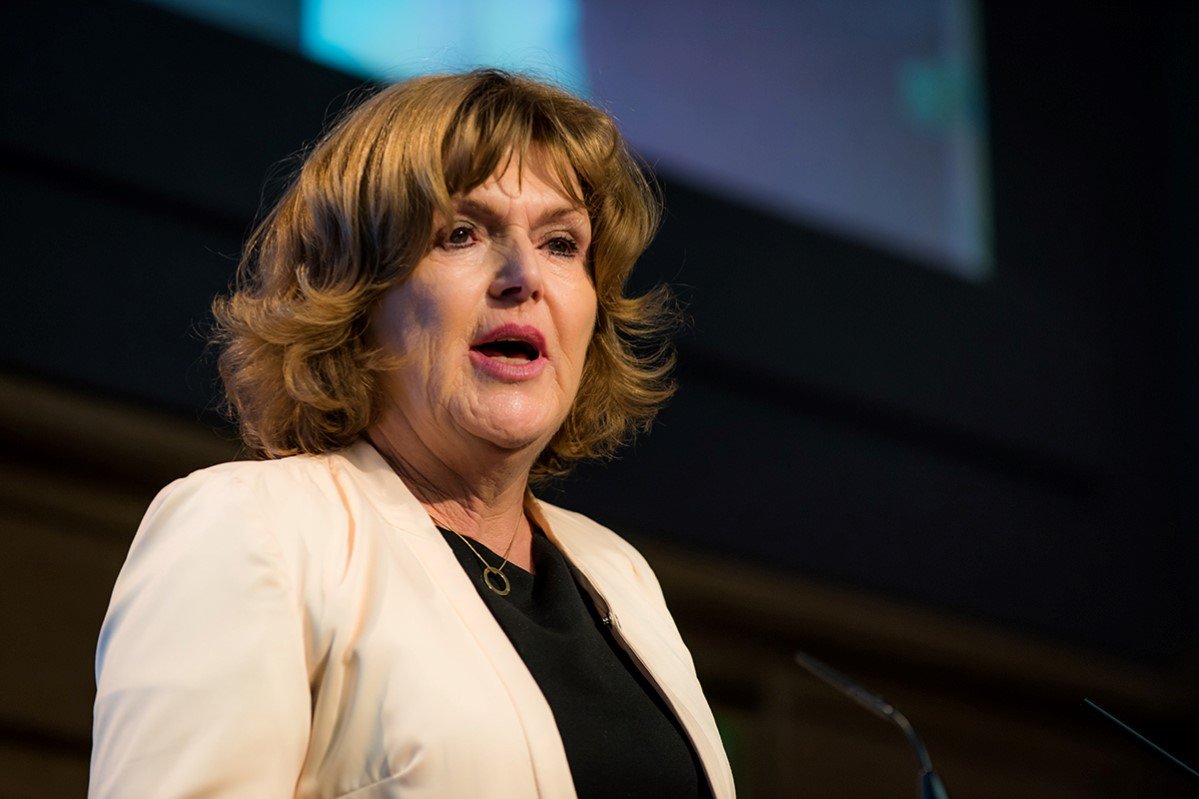
In a powerful closing statement following her official visit to Bosnia and Herzegovina, UN Special Rapporteur on the situation of human rights defenders, Mary Lawlor, raised grave concerns about the deteriorating conditions faced by those working to promote and defend human rights across the country—particularly in the Republika Srpska entity. Her findings highlight a complex intersection of political hostility, legal intimidation, and structural neglect that collectively endanger civil society actors and fundamental freedoms.
"While I have encountered some positive practices by the authorities, nowhere I have seen a level of political will that would amount to full support for human rights defenders," Lawlor stated. "The greatest support human rights defenders are receiving is from one another."
Hostile Political Climate and Legislative Threats
Lawlor singled out the Republika Srpska for specific criticism, describing a "serious deterioration" in the atmosphere for human rights work. In this entity, independent journalists and activists have become frequent targets of stigmatizing narratives, often driven by senior political figures. Smear campaigns, public vilification, and repressive policies have made it increasingly difficult for defenders to operate safely and effectively.
One of the most concerning legislative developments was the introduction of the Law on the Special Registry and Transparency of the Work of Non-Profit Organizations. Although this law was annulled by the Constitutional Court, Lawlor warned that the government of Republika Srpska remains committed to pushing forward secondary legislation that would force foreign-funded NGOs into a public registry. She cautioned that such a move could further marginalize and delegitimize vital civil society actors.
"This legislation should be abandoned for good," she said, adding that such efforts appear aimed at demonizing NGOs rather than promoting transparency.
Environmental and LGBTI+ Defenders Under Attack
Particularly troubling to the Special Rapporteur was the systematic targeting of environmental defenders, who face increasing threats and Strategic Lawsuits Against Public Participation (SLAPPs)—a tactic often used by corporations to silence dissent. These lawsuits, often prohibitively costly and time-consuming, are pushing many activists into silence, especially in the wake of the re-criminalization of defamation in Republika Srpska.
The climate of fear is also impacting defenders of LGBTI+ rights. Lawlor expressed horror at the impunity surrounding a violent attack on LGBTI+ activists in 2023, noting that no substantive investigation has yet been launched. "I abhor the complete impunity for the attack," she said. "It sends a chilling message."
Multiple Frontlines of Human Rights Work
Lawlor also shone a light on the efforts of defenders working on transitional justice, advocating for the rights of persons with disabilities, supporting migrants, and fighting for minority rights. These groups, she said, are performing crucial work in a country still haunted by the legacy of war, 30 years after the genocide in Srebrenica and the signing of the Dayton Peace Agreement.
"In many cases, it is women who are disproportionately targeted," she added. "They are at the forefront of struggles for human rights and social justice in the country."
Despite the hostile environment, Lawlor acknowledged the immense courage and impact of Bosnia and Herzegovina's human rights defenders. "They are achieving so much in spite of the fractured political landscape," she said. "I applaud their struggles and express my full solidarity with them."
Call for Institutional Change and International Support
Lawlor called on the government of Bosnia and Herzegovina to uphold its obligations under the UN Declaration on Human Rights Defenders and to work proactively with civil society to ensure a secure, enabling environment. This includes guaranteeing freedom of association, providing protection against retaliation, and ensuring that attacks are met with timely, impartial investigations.
The Special Rapporteur also urged the international community to remain vigilant and engaged, emphasizing the importance of pressure from external actors to reverse the current trend of repression.
Her full findings and recommendations will be presented to the UN Human Rights Council in March 2026.


 Google News