

The Complex Legacy of Dick Cheney: From 9/11 to Contemporary Surveillance
Dick Cheney, as a key figure in the George W. Bush administration, championed expansive surveillance and executive powers post-9/11, including the Patriot Act and NSA's wiretapping program. His legacy remains controversial, with ongoing debates over surveillance, political use of intelligence, and expanded war powers influencing current counterterrorism policies.
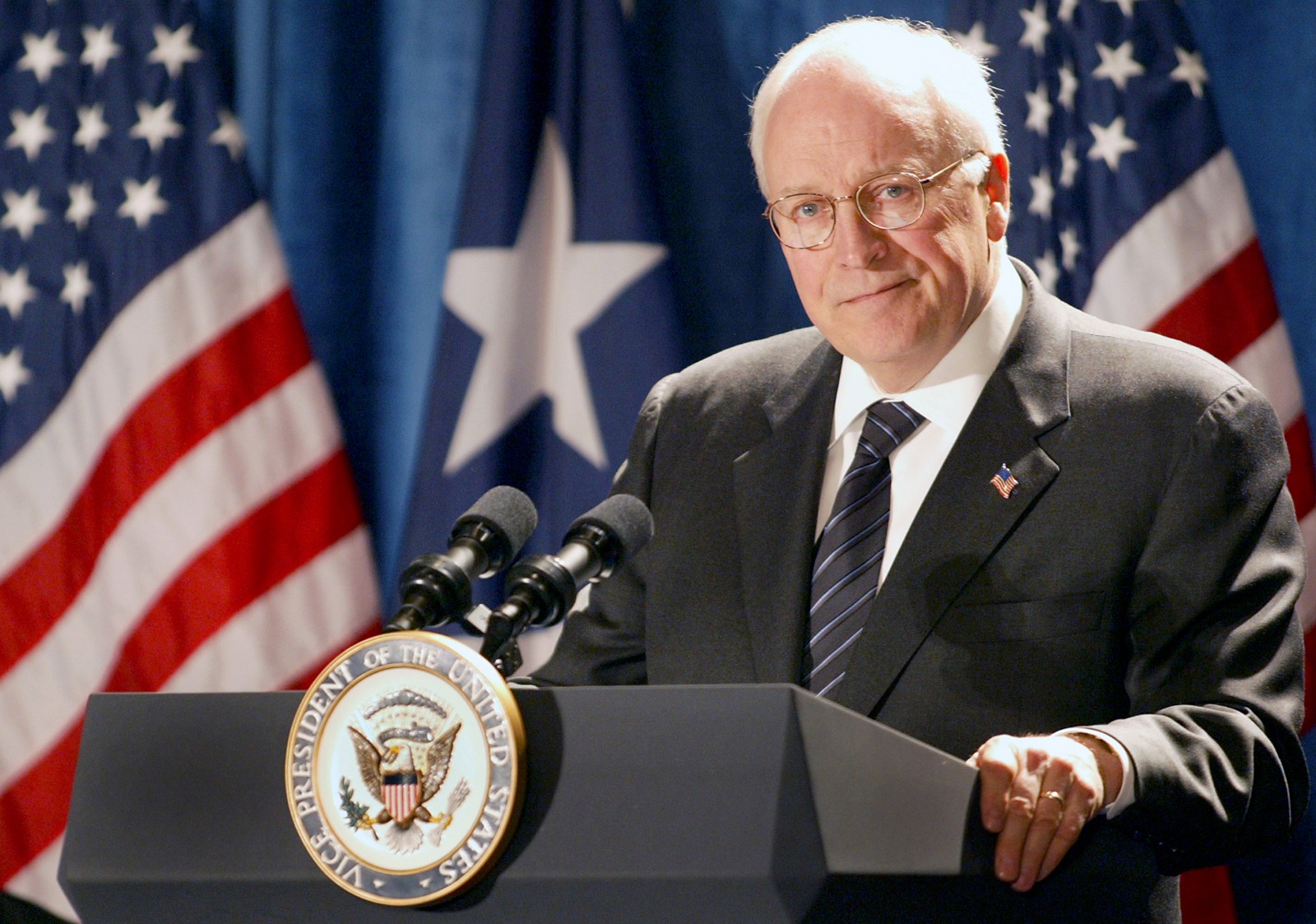
Dick Cheney emerged as a central figure in the George W. Bush administration's aggressive approach to surveillance and intelligence gathering following the September 11, 2001, attacks.
As a staunch advocate of broad executive power for national security, Cheney's actions were pivotal in shaping the US' post-9/11 response, including endorsing the Patriot Act and the NSA's controversial wiretapping program. Despite legal and public backlash, these measures paved the way for enduring national security policies.
Cheney's political stance on intelligence and expanded war powers remains a topic of debate, reflecting in today's national security strategies. His influence echoes in contemporary issues, from counterterrorism efforts to the use of intelligence in political narratives, revealing a complex and multifaceted legacy recognized by proponents and critics alike.


 Google News