

UN Expert Urges Action to Safeguard Somalia’s Fragile Human Rights Progress
Over her six-year tenure, Dyfan highlighted both the resilience of the Somali people and the precariousness of the country’s achievements.
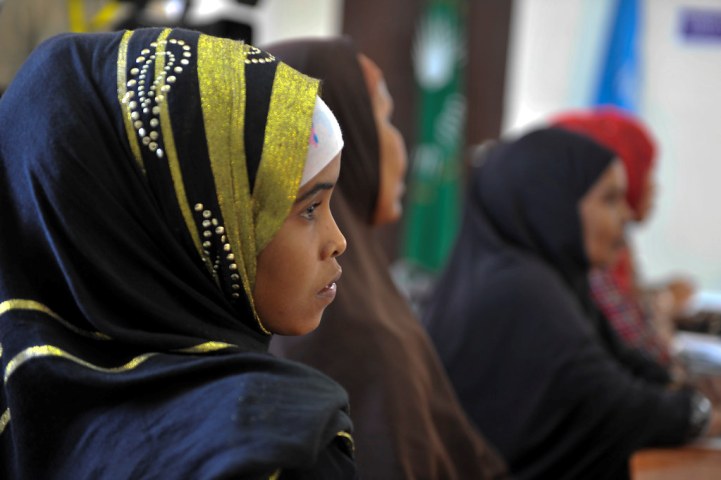
Somalia is at a pivotal crossroads, and both national authorities and the international community must take concrete, coordinated action to protect recent gains in human rights, governance, and stability, UN Independent Expert Isha Dyfan warned during her final address to the UN General Assembly in New York.
"Somalia stands at a fragile and decisive moment," Dyfan said. "Despite progress in governance, human rights, and institution-building, insecurity, political tensions, humanitarian crises, and climate shocks continue to threaten these gains."
Her remarks came as the UN Human Rights Council concluded its 60th session and decided to end the Special Procedures country mandate for Somalia, a position Dyfan had held since 2019. Established in 1993, the mandate played a critical role in monitoring and reporting on human rights developments during some of Somalia's most turbulent years.
Progress Amid Fragility
Over her six-year tenure, Dyfan highlighted both the resilience of the Somali people and the precariousness of the country's achievements. In her final report, she commended several key milestones reached by the Somali government:
-
Adoption of the Disability Bill, expanding rights and accessibility for persons with disabilities.
-
Appointment of Commissioners to the National Human Rights Commission, strengthening institutional accountability.
-
Organization of the first National Human Rights Summit in 2025, a milestone for national dialogue on rights protection.
-
Adoption of chapters of the Provisional Constitution and the Juvenile Justice Bill, advancing legal reforms for justice and inclusivity.
"These are important steps toward a rights-based society," Dyfan said, while warning that Al-Shabaab insurgent violence, media restrictions, and mounting humanitarian and climate pressures continue to undermine progress.
Human Rights: Both a Goal and a Path to Peace
Dyfan urged both the Somali government and international partners to move "from commitment to concrete implementation," stressing that human rights must not only be viewed as an end result but also as a foundation for national peace and reconciliation.
"Human rights are not only an outcome of peace but also a path to peace," she said. "Sustained support is needed to ensure that Somalia's fragile gains are not reversed."
She called for full implementation of Human Rights Council resolution 60/28, which she described as a "roadmap to consolidate progress" and to strengthen accountability across government institutions. The resolution outlines measures for building Somalia's human rights infrastructure and mandates continued technical support from the Office of the High Commissioner for Human Rights (OHCHR), including capacity-building and monitoring mechanisms.
Inclusive Political Dialogue Crucial for Stability
At a time of ongoing political transition and security challenges, Dyfan emphasized that inclusive dialogue is essential to maintain stability.
She warned that election-related tensions and overlapping transitions involving both UN and African Union missions could exacerbate divisions unless addressed through open and principled discussions.
"At this delicate juncture, inclusive political dialogue is more vital than ever," she noted. "Only through open dialogue can Somalia preserve the progress so painstakingly achieved."
Her comments echo broader UN concerns that Somalia's federal-state tensions, disputes over electoral frameworks, and security handovers could slow down governance reforms unless handled through negotiation and consensus.
Advancing Gender Equality and Legal Protections
The Independent Expert also drew attention to gender-based violence and the urgent need to pass key pending legislation that protects women and children, including:
-
The Sexual Offences Bill, to combat sexual and gender-based violence.
-
The Child Rights Bill, to ensure full protection and welfare of children.
-
The Anti-FGM Bill, aimed at eliminating female genital mutilation, which remains widespread despite growing awareness.
Dyfan urged Somali lawmakers to adopt these bills without further delay, stressing that they are essential for advancing women's rights and fulfilling the country's international human rights obligations.
Climate and Humanitarian Pressures Threaten Progress
Somalia continues to face recurrent climate shocks, including droughts, floods, and resource scarcity, which exacerbate humanitarian needs and displacement. Dyfan highlighted the link between environmental protection and human rights, urging greater investment in climate resilience.
"Environmental sustainability and human rights must advance together," she said. "Without climate resilience, economic and social rights will remain out of reach for millions of Somalis."
Currently, over 4 million people in Somalia face humanitarian stress due to climate-related disasters, with many communities still recovering from recent droughts that devastated livelihoods and displaced thousands.
From Fragility to Resilience
Despite ongoing challenges, Dyfan struck an optimistic tone about Somalia's future, emphasizing that fragility can give way to resilience if national leadership and international cooperation remain aligned.
"Somalia's path forward will remain challenging, but not without hope," she said. "With sustained national leadership, dialogue, and partnership, human rights can become a lived reality for all Somalis."
Her final report underscores that lasting peace and development in Somalia depend not only on security and governance but on embedding human rights, equality, and accountability at the heart of the country's recovery process.


 Google News