

UN Expert Warns Pakistan Over Imran Khan’s Detention Conditions
“Since his transfer to Adiala Jail in Rawalpindi on 26 September 2023, Imran Khan has reportedly been subjected to excessive periods of solitary confinement,” Edwards said.
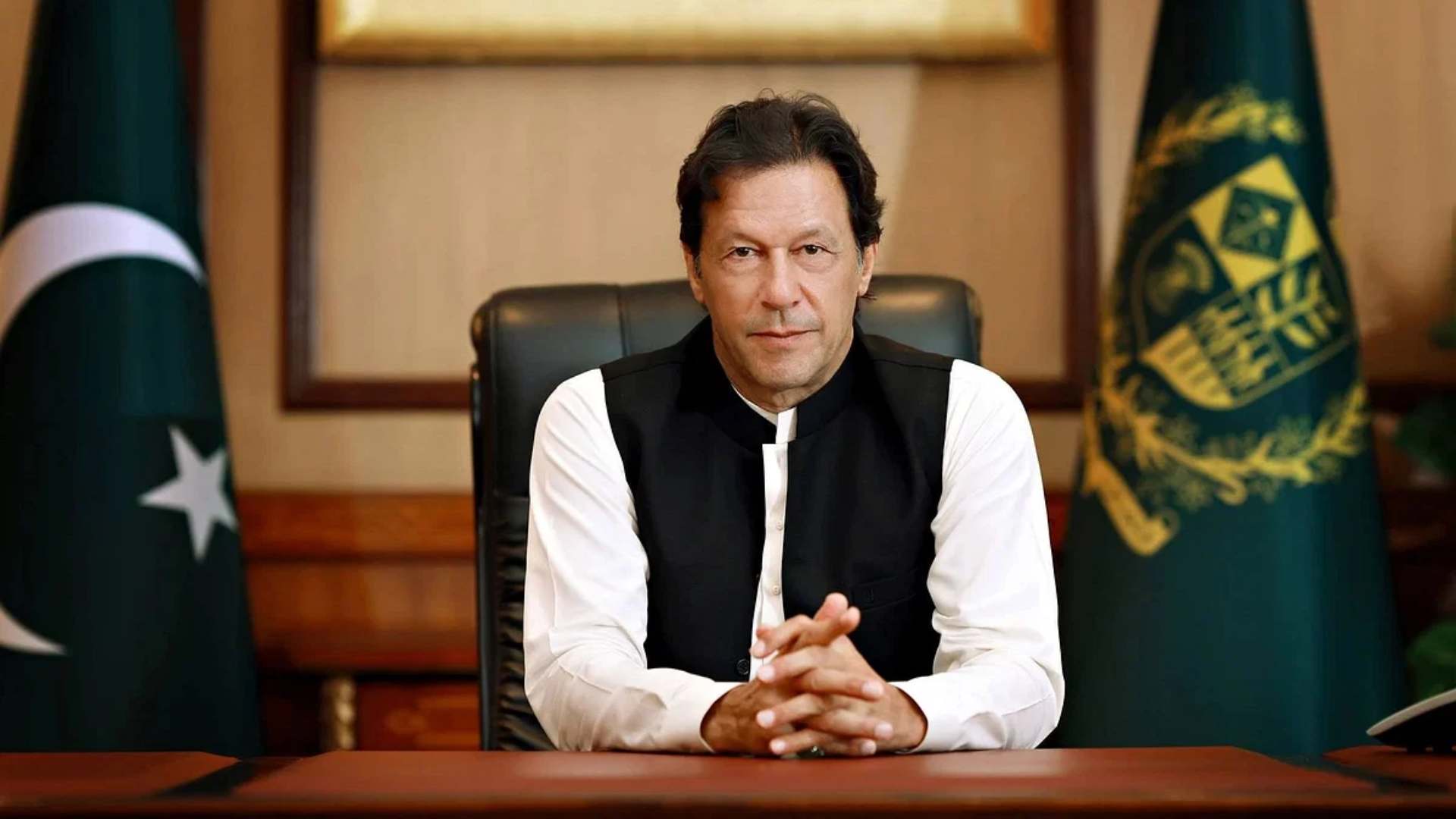
The United Nations Special Rapporteur on torture, Alice Jill Edwards, has urged the Government of Pakistan to take immediate and effective action to address serious concerns over the detention conditions of former Prime Minister Imran Khan, warning that the reported treatment could amount to torture or other cruel, inhuman, or degrading treatment under international law.
In a statement released today, Edwards called on Pakistani authorities to ensure that Khan's detention conditions fully comply with international human rights norms and standards, including those set out in the UN Convention against Torture and the UN Standard Minimum Rules for the Treatment of Prisoners (the Nelson Mandela Rules).
"Since his transfer to Adiala Jail in Rawalpindi on 26 September 2023, Imran Khan has reportedly been subjected to excessive periods of solitary confinement," Edwards said. According to information received by the Special Rapporteur, Khan is confined to his cell for up to 23 hours a day, has highly restricted contact with the outside world, and is kept under constant camera surveillance.
The Special Rapporteur stressed that prolonged or indefinite solitary confinement is prohibited under international human rights law. Isolation lasting more than 15 consecutive days is recognised as a form of psychological torture.
"Khan's solitary confinement should be lifted without delay," Edwards said. "Extended isolation is not only unlawful, it can cause severe and lasting harm to a person's physical and mental health."
Reports indicate that Khan is denied outdoor exercise, prevented from interacting with other detainees, and barred from participating in communal prayers. Court-authorised visits by lawyers, family members, and others are reportedly frequently interrupted or cut short, raising concerns about access to legal counsel and family contact.
Conditions inside Khan's cell are also reported to be harsh and degrading. He is said to be held in a small space lacking natural light and adequate ventilation, with temperatures becoming extreme during both winter and summer months. Poor air circulation has reportedly led to foul odours and insect infestations, contributing to symptoms including nausea, vomiting, and noticeable weight loss.
"Anyone deprived of liberty must be treated with humanity and dignity," Edwards said. "Detention conditions must take into account a person's age and health, including appropriate sleeping arrangements, protection from extreme temperatures, sufficient space, proper lighting, heating, and ventilation."
At 72 years old, Imran Khan has a documented history of serious health concerns, including a spinal injury sustained in 2013 and gunshot wounds from a 2022 assassination attempt. The Special Rapporteur said she had received information indicating that Khan has been denied adequate medical care while in detention.
"I urge the authorities to allow a visit by his personal physicians without delay," Edwards said, stressing that access to appropriate medical treatment is a fundamental right of all detainees.
The UN expert confirmed that she has formally raised Khan's situation with the Government of Pakistan and will continue to closely monitor developments. She called on Pakistani authorities to take urgent steps to ensure that Khan's treatment and conditions of detention comply with Pakistan's international human rights obligations.
ALSO READ
-
Pakistan Lawyers Rearrested Hours After Bail as UN Experts Demand Immediate Release
-
Malaysia’s Return of 1,476 People to Myanmar Raises UNHCR Fears Over Their Safety
-
UN Experts Warn Racism Follows African Migrants Through Dangerous Global Journeys
-
Colombia’s Former Enemies Join Search for Disappeared as UN Praises Victim Justice
-
US Migrant Transfer Deals Put Thousands at Risk of Torture and Abuse, Experts Warn


 Google News