

Iran's Escalating Unrest Amid Accusations and Economic Woes
Iran faces rising protests fueled by economic distress and political repression, while the government accuses Israel and the U.S. of inciting unrest. As violence intensifies, casualties increase, and Iranian authorities vow to show no leniency to dissidents. The crisis reflects deep-seated socioeconomic and political tensions, risking further escalation.
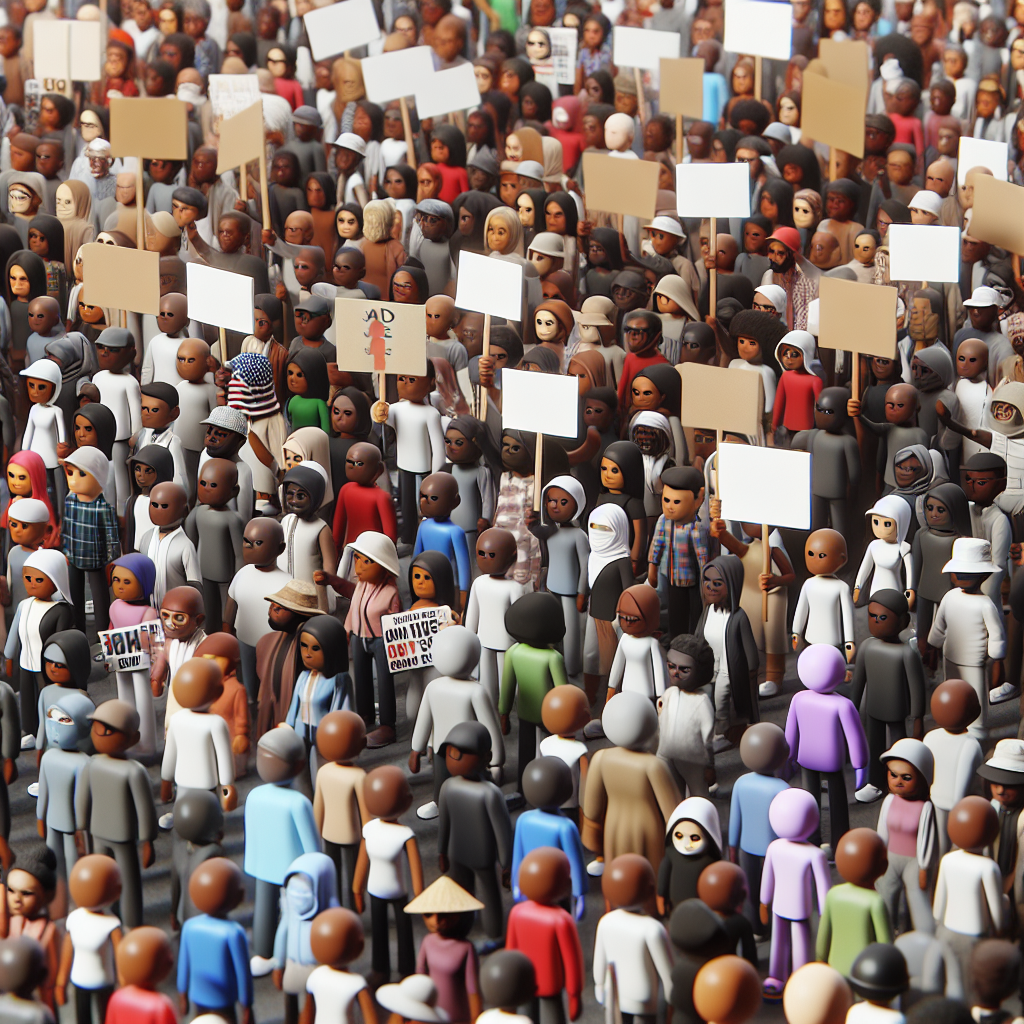
Iran is in the throes of significant unrest as economic and political frustrations spill into the streets. The nation's top judge issued a stern warning to protesters, charging them with aiding the enemy and claiming that allies Israel and the U.S. are deploying hybrid warfare tactics to destabilize the regime.
The catalyst for these protests, which are now the most substantial in three years, originated in Tehran's Grand Bazaar. Shopkeepers rallied against soaring inflation, sparked by governmental mismanagement and exacerbated by Western sanctions. The discontent has rapidly spread, driven by widespread dissatisfaction with civil and political restrictions.
The conflict has escalated, with at least 27 deaths reported by Kurdish-Iranian rights group Hengaw since the protests began. Human rights activists estimate the toll even higher. In response, Iranian authorities have increased security measures, particularly in western provinces where unrest has been most severe.
ALSO READ
-
Poverty in the Line of Fire: UN Experts Demand Iran End Border Courier Killings
-
Iran’s Civilians Trapped Between State Repression and Deadly Strikes, UN Warns
-
Lee Jae Myung's Diplomatic Milestones: Balancing Amidst Global Tensions
-
Hackers Compromise US-Bound Vessels: Security Breach in the Gulf of Mexico
-
Tanker Trouble: Togo Vessel's Fiery Halt in Hormuz


 Google News