

Iran's Strife: A Nation on the Brink of Revolution
Iran is experiencing its largest protests in three years, sparked by economic hardships and alleged external interference. Accusations against Israel and the U.S. as instigators persist, while Iran's judiciary warns against aiding so-called enemies. Despite heavy repression, unrest continues, with increasing death tolls and calls for solidarity from exiled figures like Reza Pahlavi.
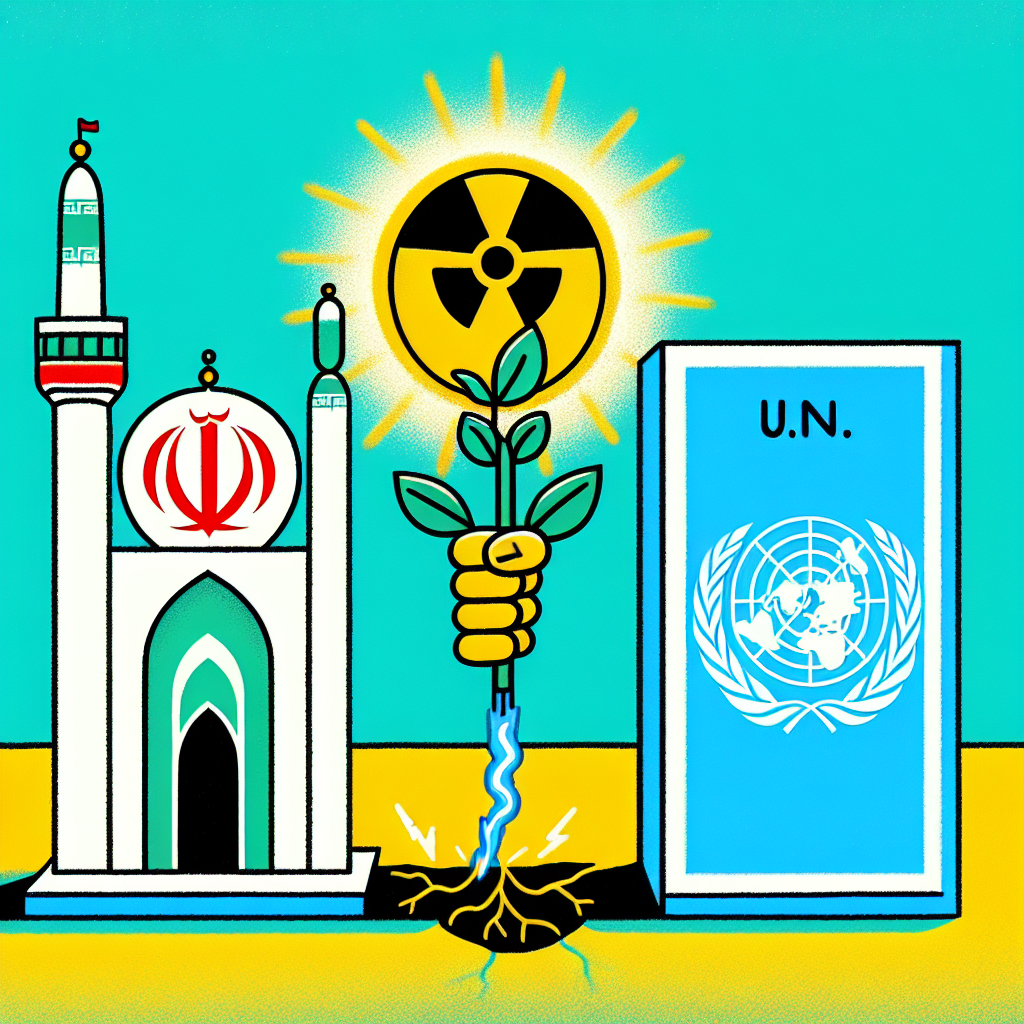
In a stern warning on Wednesday, Iran's top judge declared that there would be 'no leniency for those who help the enemy against the Islamic Republic,' as Tehran faces significant international scrutiny. Accusations are leveled against Israel and the U.S. for allegedly using hybrid tactics to destabilize the nation.
The protests, the largest in three years, erupted last month in Tehran’s Grand Bazaar, driven by the plummeting value of the national currency. Anger over economic woes, exacerbated by governmental mismanagement and Western sanctions, has fueled nationwide dissent. Chief Justice Gholamhossein Mohseni-Ejei emphasized that participation in unrest would result in harsh consequences.
Reports indicate that at least 27 protesters have died, with over 1,500 arrested in the initial 10 days, although human rights organizations suggest higher figures. The unrest particularly affects Iran's western provinces, already strained by previous unrest and heavy policing. The exiled son of Iran's last Shah has called upon armed forces to join the public, urging continued demonstrations.
ALSO READ
-
Poverty in the Line of Fire: UN Experts Demand Iran End Border Courier Killings
-
Iran’s Civilians Trapped Between State Repression and Deadly Strikes, UN Warns
-
Lee Jae Myung's Diplomatic Milestones: Balancing Amidst Global Tensions
-
Hackers Compromise US-Bound Vessels: Security Breach in the Gulf of Mexico
-
Tanker Trouble: Togo Vessel's Fiery Halt in Hormuz


 Google News