

Inside the Nobel Peace Prize: Decisions, Controversies, and Global Impact
The Nobel Peace Prize is decided by the Norwegian Nobel Committee, comprising five members appointed by Norway's parliament. Its independence is often questioned, especially by foreign governments. Nominees are assessed by experts, and the winner is announced in October. The prize includes a gold medal, a diploma, and 11 million Swedish crowns.
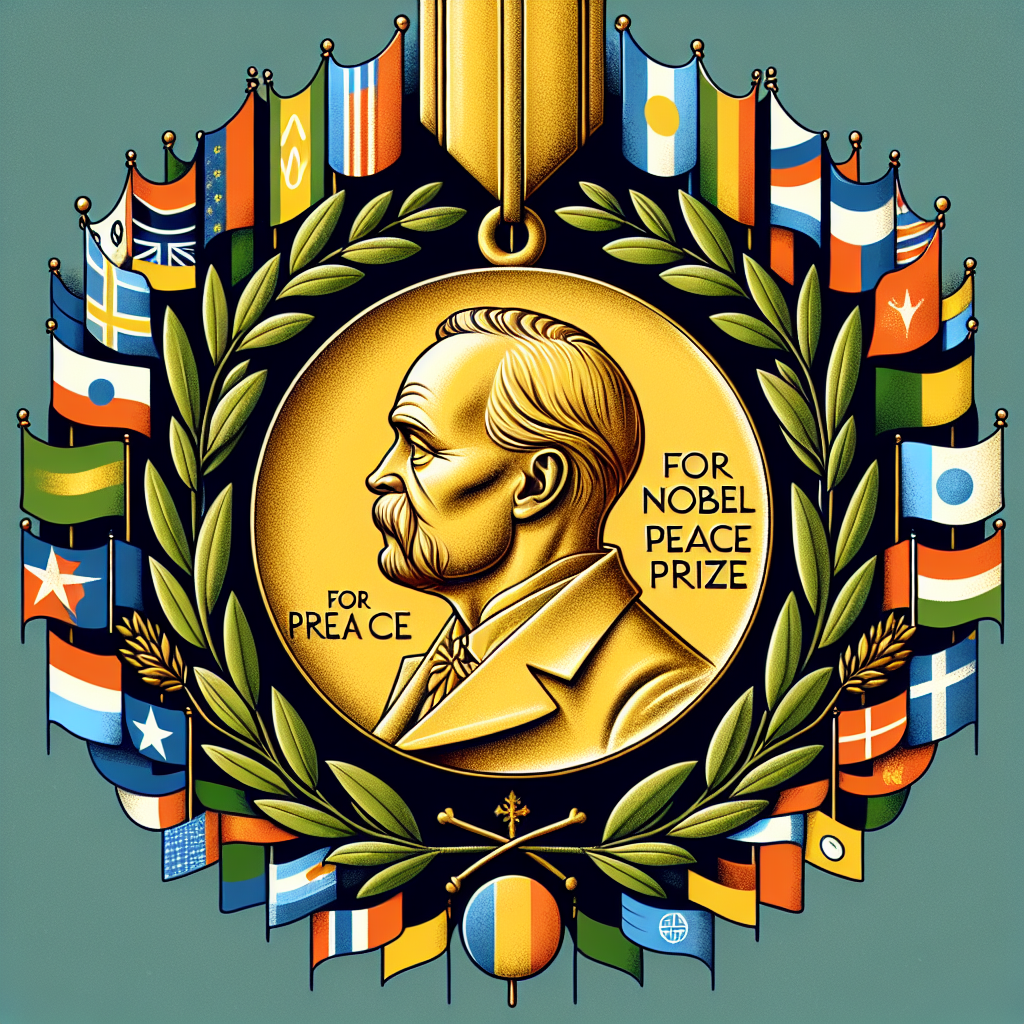
The Nobel Peace Prize has often sparked debates, not least from global leaders like former U.S. President Donald Trump. He notably expressed dissatisfaction with Norway for not awarding him the coveted prize.
The decision-making process is strictly in the hands of the Norwegian Nobel Committee, independent of governmental influence. This five-member committee, often consisting of retired politicians and academics, is appointed by Norway's parliament but functions autonomously. Nominations for the prize come from a variety of eligible figures, including past laureates and governmental members, and close each January.
Controversy isn't new to the award. For instance, China once ceased diplomatic ties with Norway after Liu Xiaobo, a Chinese dissident, was honored. Despite such pressures, the Norwegian committee remains steadfast in its independent operation, revealing its selection only during the October announcement. Winners receive a gold medal, a diploma, and 11 million Swedish crowns, along with international recognition.
ALSO READ
-
Prospects of a New Summit: South Korean Optimism Amid Uncertainty
-
Nomination Turbulence: White House Withdraws Jeffrey Anderson for ICAO Post
-
Potential EU Partnerships Stir International Debate
-
Trump's Rate War with the Fed: A High-Stakes Economic Drama
-
Trump's Bold Move: Meeting with Venezuela's Interim Leader


 Google News