

UN Hails Rohingya Survivors’ Courage as ICJ Genocide Hearings Conclude
“While States presented legal arguments, the most important moment came when survivors spoke of what they saw and endured,” Andrews said.
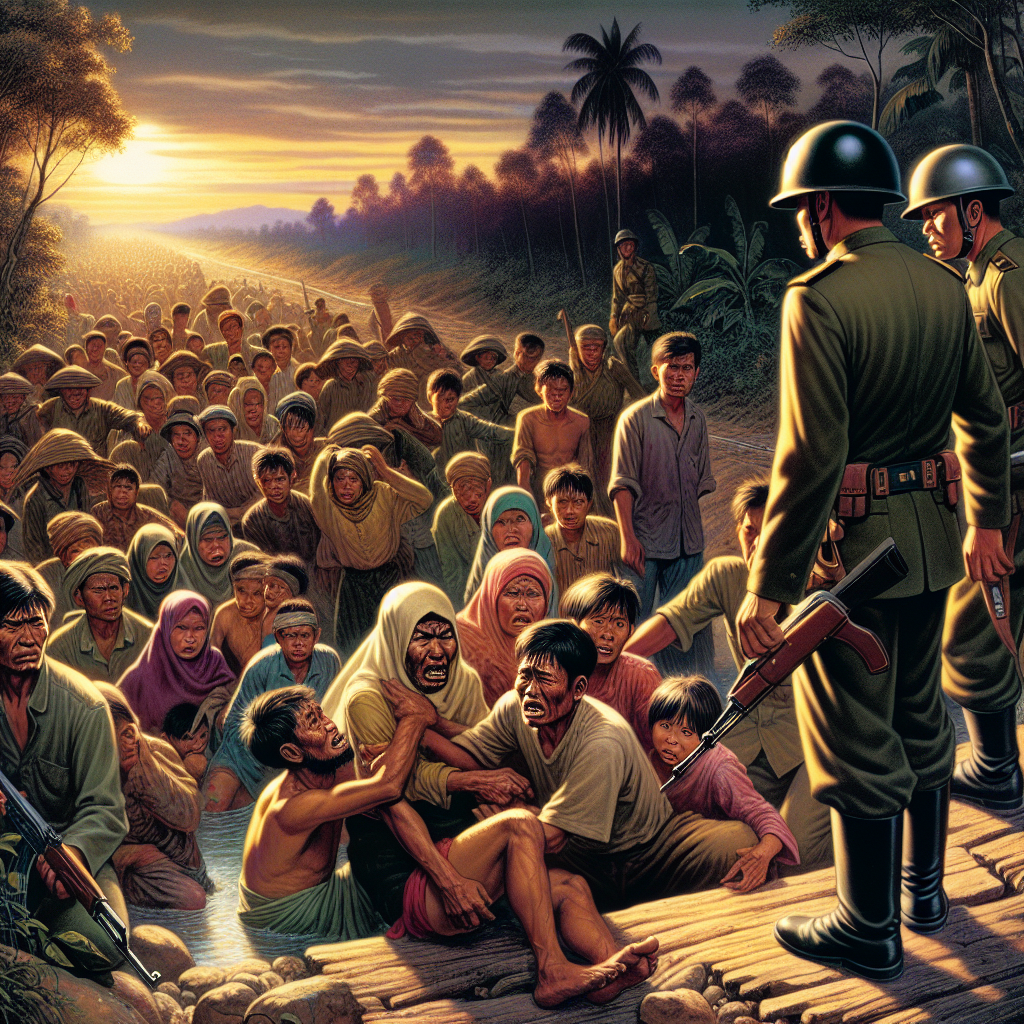
The willingness of Rohingya survivors to testify before the International Court of Justice (ICJ) marks a defining moment in the global pursuit of justice for atrocity crimes, a UN human rights expert said as oral arguments concluded in the landmark genocide case brought by The Gambia against Myanmar.
UN Special Rapporteur on the situation of human rights in Myanmar, Tom Andrews, praised the courage of survivors who shared first-hand accounts of the military's brutal campaign against the Rohingya community, calling their testimony the moral core of the proceedings in The Hague.
"While States presented legal arguments, the most important moment came when survivors spoke of what they saw and endured," Andrews said. "Their testimony ensures that these proceedings remain centered on what truly matters—the Rohingya men, women and children who were attacked by Myanmar's military."
Survivors at the Heart of Justice
Andrews said the presence of Rohingya survivors before the Court reflected both extraordinary personal courage and years of determined advocacy to ensure their safe, dignified and meaningful participation.
"They remind us that justice is not abstract," he said. "It is built on the bravery of individuals willing to speak truth to power."
The Special Rapporteur stressed that the Court's deliberations must now translate into sustained protection for those who testified, warning that no survivor should face intimidation, harassment or reprisals for cooperating with international justice mechanisms.
"The Word That Was Not Said"
Andrews drew particular attention to what he described as one of the most striking aspects of the hearings: Myanmar's refusal to acknowledge the Rohingya by name.
"The Rohingya self-identify as Rohingya. It is their fundamental right," he said. "Yet Myanmar's representatives never spoke their name, instead using the deeply offensive term 'Bangali'. Of all the words spoken in these hearings, it was the word not said that spoke volumes."
He said the omission underscored the entrenched discrimination that lies at the heart of the case and continues to fuel abuses against the Rohingya.
Accountability Amid Ongoing Abuses
The hearings come against the backdrop of continued violence and repression in Myanmar. Andrews warned that as proceedings advanced in The Hague, military attacks on civilian targets intensified, alongside ongoing discrimination and disenfranchisement of the Rohingya and other communities.
"The ICJ case is a critical step in the broader struggle for truth, justice and accountability," he said, stressing that it must be matched by concrete international action.
Call to Action: Listen, Protect, Act
The Special Rapporteur urged governments, international institutions, media and civil society to actively support Rohingya survivors by amplifying their voices, safeguarding those who testify, and sustaining pressure for accountability and equal rights.
"We honor these survivors by listening to them," Andrews said. "By supporting their call for justice, equality and dignity. And by calling the Rohingya by their name."
As the ICJ begins its deliberations, he emphasized that global attention and political will will be decisive in determining whether this historic case delivers meaningful justice—or becomes another missed opportunity.


 Google News