

Transmission Gully Approved for 110km/h Speed Limit from February 2026
“Transmission Gully is a critical transport link for Wellington and Kāpiti, carrying around 22,000 vehicles a day and providing a safe, modern, and resilient route between the regions,” Mr Bishop said.
- Country:
- New Zealand
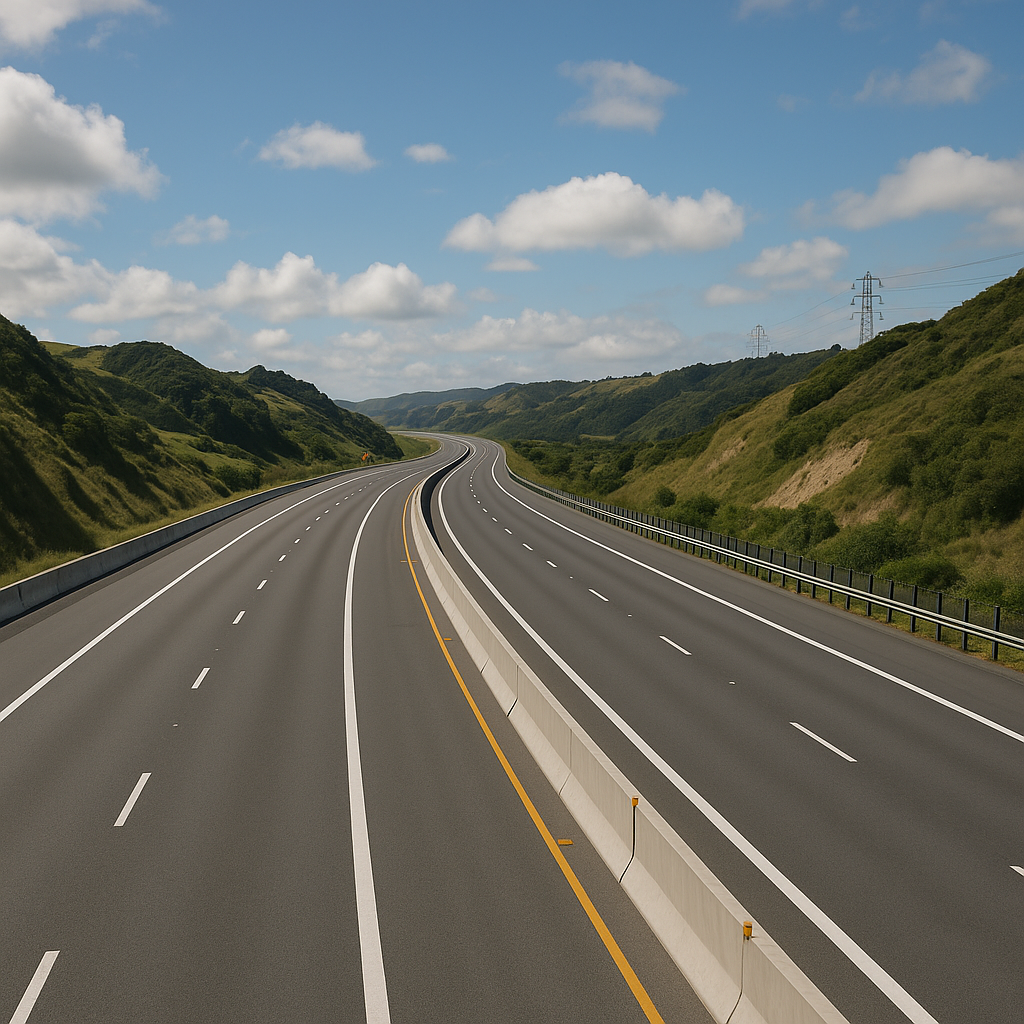
Drivers travelling between Wellington and the Kāpiti Coast will be able to travel at 110km/h on Transmission Gully from 16 February 2026, following formal approval of the higher speed limit.
Transport Minister Chris Bishop confirmed the change will take effect at 12:01am on Monday, 16 February 2026, applying to the 27-kilometre stretch of State Highway 1 between the Linden and Paekākāriki interchanges.
22,000 Vehicles a Day on Key Wellington Link
"Transmission Gully is a critical transport link for Wellington and Kāpiti, carrying around 22,000 vehicles a day and providing a safe, modern, and resilient route between the regions," Mr Bishop said.
The motorway, opened in 2022 as one of the previous National Government's Roads of National Significance, was designed to support higher-speed travel subject to strict safety standards.
Since opening:
-
No deaths have been recorded
-
More than 150 barrier strikes have occurred
-
Crash rates have remained low
Safety features include:
-
Two lanes in each direction
-
A flexible median barrier separating opposing traffic
-
Modern motorway design standards
"These features significantly reduce the risk of death or serious injury in a crash," Mr Bishop said.
Strong Public Backing for Higher Speed
Public consultation on the proposed increase took place in mid-2025, drawing 2,061 submissions, with 92% supporting the move to 110km/h.
Mr Bishop said the decision forms part of a broader effort to "fix the basics" of the transport network.
"We're committed to providing state highways that help people get where they need to go quickly and safely," he said.
Heavy Vehicles to Remain at 90km/h
The new 110km/h limit will apply only to light vehicles. Heavy vehicles and vehicles towing trailers will continue to be restricted to 90km/h.
Police will enforce the new limit as they would elsewhere on the state highway network.
"Drivers can expect to see police patrols on New Zealand roads anywhere, at any time," Mr Bishop said.
He urged motorists to continue driving to the conditions, avoid impairment and distraction, and ensure all passengers wear seatbelts.
Summer Maintenance Completed Ahead of Change
The Minister thanked drivers for their patience during summer maintenance and resurfacing work, which was required before the higher speed limit could safely be introduced.
"That work has helped bring the road to the point where a higher speed limit can be safely applied," he said.
Raumati Straights Not Approved for 110km/h
While Raumati Straights was consulted on at the same time, it will remain at 100km/h.
Technical assessments found that this section — constrained by the adjacent rail line and proximity to Queen Elizabeth Park — was not built to the same safety and design standards as other parts of the Kāpiti Expressway.
"Increasing the speed limit on this section would require significant investment in safety improvements," Mr Bishop said.
He noted that future upgrades remain possible, but would depend on further planning and funding decisions.
A Faster, Modern Corridor for the Capital Region
The new 110km/h limit positions Transmission Gully among New Zealand's small number of higher-speed motorways and is expected to further improve travel efficiency between Wellington and the Kāpiti Coast.


 Google News