

Govt Moves to Stabilise Struggling Municipalities, Says Mashatile
Mashatile emphasised that the District Development Model (DDM) remains a key strategy for improving coordination between national, provincial, and local governments.
- Country:
- South Africa
Deputy President Paul Mashatile says the government is implementing targeted measures to stabilise municipalities facing persistent governance and service delivery challenges across South Africa.
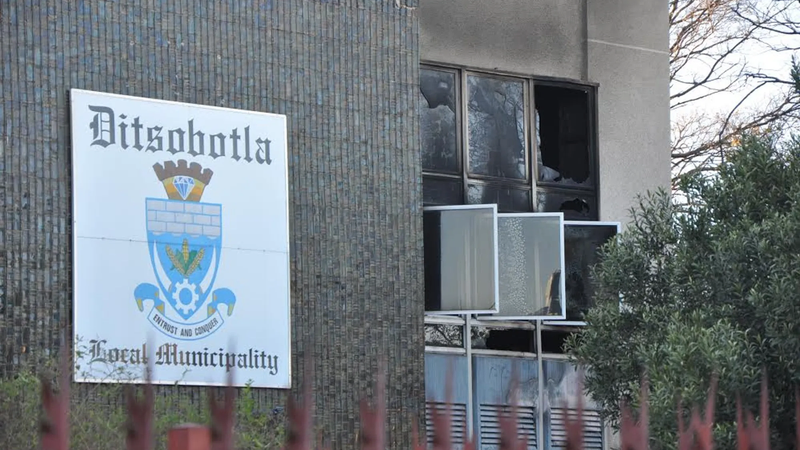
Responding to questions in the National Council of Provinces (NCOP) on Thursday, Mashatile acknowledged that municipalities such as Ditsobotla Local Municipality and Emfuleni Local Municipality continue to face significant difficulties in governance and service delivery.
Causes of Municipal Challenges
According to the Deputy President, the problems experienced in several municipalities stem from a combination of governance instability, financial mismanagement, weak institutional capacity, and longstanding service delivery backlogs.
Mashatile also noted that Section 139 interventions, which allow provincial governments to intervene when municipalities fail to meet their obligations, have not always produced lasting results.
"Concerns about politicisation and misuse are noted, and steps are being taken to strengthen oversight, professionalise municipal administration, and ensure clearer recovery and exit strategies," he said.
Support Measures for Distressed Municipalities
To address these issues, government has introduced several support mechanisms for struggling municipalities.
These include:
-
Deployment of multidisciplinary teams to assist with Financial Recovery Plans
-
Strengthening technical capacity through the Municipal Infrastructure Support Agent (MISA)
-
Financial oversight and support from the National Treasury of South Africa
Mashatile said government is also reviewing the White Paper on Local Government, which will introduce reforms aimed at strengthening the overall municipal governance system.
Proposed reforms include changes to the municipal funding model, improved technical capacity within municipalities, and restructuring of Section 139 interventions to ensure more sustainable outcomes.
District Development Model to Improve Coordination
Mashatile emphasised that the District Development Model (DDM) remains a key strategy for improving coordination between national, provincial, and local governments.
Through the DDM, government is working closely with the Department of Cooperative Governance and Traditional Affairs (COGTA) and other sector departments to implement targeted action plans in distressed municipalities.
The Deputy President also highlighted ongoing monitoring efforts through the Clean Cities, Towns and Villages Campaign, which aims to improve municipal performance and service delivery.
Government works in partnership with the South African Local Government Association (SALGA), DDM Champions, and relevant ministers to engage communities and establish clear timelines for improvements.
Municipal Financial Distress Remains a Concern
Mashatile noted that many municipalities across the country remain financially distressed.
According to National Treasury, 162 municipalities were classified as financially distressed during the 2023/24 financial year. This situation has been driven by poor cash flow management, weak revenue collection systems, and rising municipal debt levels.
The problem is further compounded by 113 unfunded municipal budgets, resulting in a combined revenue shortfall of approximately R35.9 billion.
Accountability and Anti-Corruption Measures
Despite these challenges, Mashatile pointed out that some municipalities have shown improvements in governance and financial management.
Examples include Midvaal Local Municipality and uMngeni Local Municipality, both of which have achieved clean audit outcomes.
The Deputy President stressed that consequence management is essential to restoring accountability in local government.
"COGTA is implementing disciplinary measures, criminal investigations where necessary, and conditional allocation or withholding of grants," he said.
In partnership with the Special Investigating Unit (SIU), government has also established the Local Government Anti-Corruption Forum, aimed at strengthening efforts to combat corruption within municipalities.
Enforcement on Service Delivery Failures
Mashatile said government has also introduced enforcement measures related to water and sanitation failures, including the possibility of criminal charges against municipalities and accountability actions against municipal managers who breach statutory obligations.
"These actions demonstrate government's commitment to stabilising local government and ensuring public funds are safeguarded and properly applied to service delivery," Mashatile said.


 Google News