

UN Expert Warns of Growing Pressure on Human Rights Defenders in Sweden
According to reports received by the Special Rapporteur, many human rights defenders in Sweden have increasingly faced intimidation or public criticism for speaking out on sensitive political and social issues.
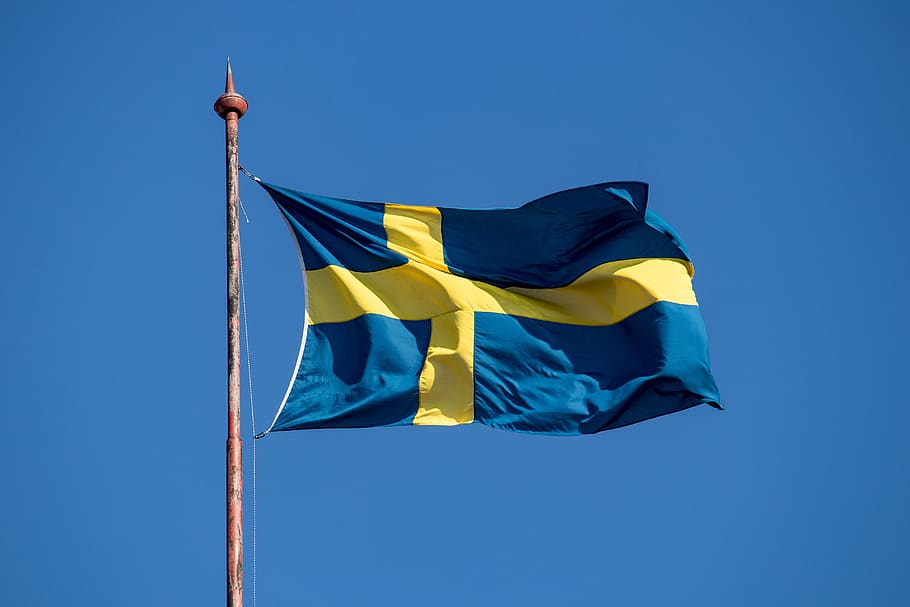
- Country:
- Sweden
Human rights defenders in Sweden are facing a gradual but troubling erosion of their freedoms, according to a United Nations expert who has raised concerns about increasing intimidation, restrictions on civil society and declining support for advocacy work.
Mary Lawlor, the UN Special Rapporteur on the situation of human rights defenders, warned that activists, journalists and civil society organisations in Sweden are encountering mounting threats, harassment and stigmatization that undermine their ability to operate freely.
"I am alarmed about reports of threats, hate speech, stigmatisation and harassment of human rights defenders, and about the growing restrictions to their rights to freedom of expression and freedom of peaceful assembly and association," Lawlor said.
The warning highlights what the UN expert describes as a gradual deterioration in the environment for human rights advocacy in a country historically known for its strong democratic institutions and commitment to civil liberties.
Rising Pressure on Civil Society
According to reports received by the Special Rapporteur, many human rights defenders in Sweden have increasingly faced intimidation or public criticism for speaking out on sensitive political and social issues.
Activists and advocacy groups have reportedly been silenced, threatened or stigmatized because of their work documenting human rights concerns or advocating for vulnerable communities. Civil society organisations have also faced increasing bureaucratic hurdles, while funding dedicated to human rights activities has declined in recent years.
These developments, the expert noted, risk weakening Sweden's traditionally vibrant civil society sector.
"Human rights defenders in Sweden do not receive as much support as before," Lawlor said. "They should be enabled to freely exercise their human rights and advocate for the rights of others without obstacles or fear of retaliation."
Environmental and Climate Activists Under Scrutiny
Environmental rights defenders and climate activists appear to be particularly affected by the tightening environment.
According to the UN expert, protesters participating in climate demonstrations or acts of civil disobedience have faced increased legal scrutiny and the risk of prosecution. In some instances, activists have reportedly been labelled as potential "terrorists" or "criminals."
Such characterizations, the report warns, can create a chilling effect that discourages legitimate activism and peaceful protest.
Student Activists and Journalists Report Intimidation
The Special Rapporteur also raised concerns about cases involving student activists and journalists who have spoken publicly about the rights of Palestinian people.
Some individuals reportedly experienced intimidation or attempts to prevent them from reporting on or advocating for these issues, raising broader concerns about restrictions on freedom of expression within academic and media spaces.
Minority Rights Defenders Face Stigmatisation
Another area of concern highlighted in the warning is the growing negative rhetoric directed at ethnic and religious minority groups.
According to Lawlor, such narratives have also had a direct impact on activists working to protect minority rights, including those advocating for LGBTI+ communities and people with disabilities.
"They are often stigmatised and lack the necessary resources to do their work, while feeling excluded and not listened to," the Special Rapporteur said.
Advocates working on minority rights have reportedly found it increasingly difficult to conduct campaigns, raise awareness and engage policymakers.
Call for Government Action
The UN expert urged the Swedish Government to take concrete steps to reverse the negative trends and restore an enabling environment for human rights defenders.
Key recommendations include:
-
Countering smear campaigns and public stigmatisation of activists
-
Ensuring adequate and sustainable funding for civil society organisations
-
Reducing unnecessary bureaucratic barriers for advocacy groups
-
Meaningfully involving human rights defenders in policymaking processes
Lawlor emphasized that safeguarding the work of human rights defenders is essential for maintaining democratic institutions and protecting fundamental freedoms.
"It is not too late to reverse these trends," she said. "Sweden has a responsibility to create the necessary conditions for human rights defenders to enjoy their rights and conduct their legitimate work."
The Special Rapporteur confirmed that she remains in contact with the Government of Sweden regarding these concerns.


 Google News