

Paul Mashatile Reaffirms Role of Traditional Leaders in Governance
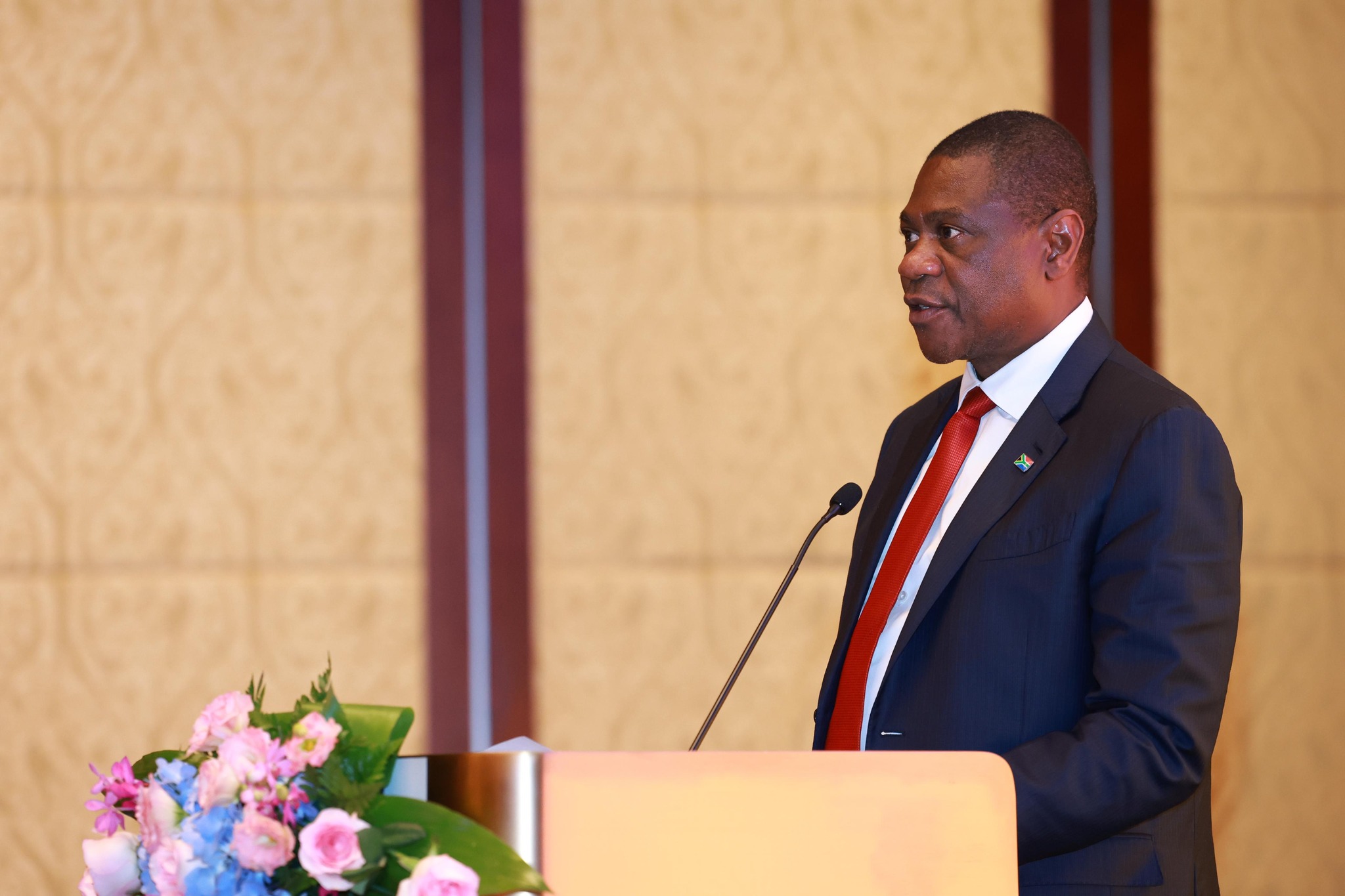
Mashatile delivered the virtual keynote address at the Eastern Cape Traditional Leaders’ Summit, held at the East London International Convention Centre on Tuesday.
- Country:
- South Africa
Deputy President Paul Mashatile has reaffirmed the South African government's commitment to strengthening the role of traditional leaders, describing them as a vital pillar of governance and social cohesion, particularly in rural communities.
Mashatile delivered the virtual keynote address at the Eastern Cape Traditional Leaders' Summit, held at the East London International Convention Centre on Tuesday.
The two-day summit brings together traditional leaders, government representatives and stakeholders to discuss challenges facing traditional leadership institutions and ways to strengthen cooperation between government and traditional authorities.
Traditional Leaders Key to Community Development
Mashatile said traditional leaders continue to play a crucial role in preserving cultural heritage, promoting social cohesion and supporting development in communities.
"Government will never render traditional leaders irrelevant. On the contrary, we recognise that traditional leadership remains a vital pillar of governance, particularly in rural communities," he said.
He noted that long before colonial rule, traditional leaders served as the centre of governance in African societies, resolving disputes and guiding communities through systems based on trust, service and accountability.
Constitutional Recognition of Traditional Leadership
Mashatile highlighted that South Africa's democratic framework recognises the institution of traditional leadership through constitutional provisions and legislative frameworks.
Key legislation such as the Traditional Leadership and Governance Framework Act has aligned traditional leadership institutions with democratic governance structures, enabling traditional councils to work alongside municipalities within the cooperative governance system.
The Deputy President also pointed to the establishment of formal platforms for engagement, including:
-
National House of Traditional and Khoi-San Leaders
-
Provincial Houses of Traditional Leaders
-
Local Houses of Traditional Leaders
"These platforms ensure that traditional leaders participate in shaping policies that affect rural communities," he said.
Addressing Challenges Facing Traditional Institutions
Mashatile noted that traditional leaders have consistently raised concerns about issues affecting rural communities, including:
-
Land rights
-
Socio-economic development
-
Infrastructure support
-
Institutional capacity
-
Policy reforms
-
Social cohesion
To address these concerns, government established an Inter-Ministerial Task Team on Matters of Traditional Leadership in 2022.
The task team focuses on:
-
Advancing land rights and rural development
-
Strengthening traditional institutions
-
Investing in infrastructure and skills development
-
Promoting unity and nation-building
-
Finalising policy and legislative reforms
Role in Tackling Social Challenges
Mashatile also called on traditional leaders to play an active role in addressing social challenges affecting communities, including:
-
Gender-based violence and femicide (GBVF)
-
Substance abuse
-
Youth unemployment
"Our government has classified gender-based violence and femicide as a national disaster to strengthen coordination in addressing this crisis. But legislation alone cannot change behaviour. Community leadership is essential," he said.
Unlocking Rural Economic Opportunities
The Deputy President emphasised that traditional leaders, as custodians of communal land, have an important role in promoting agriculture, food security and job creation in rural areas.
He highlighted government initiatives such as the Presidential Employment Stimulus, which has created more than 2.5 million employment and livelihood opportunities, many benefiting young people in rural communities.
Participation in National Dialogue
Mashatile encouraged traditional leaders to actively participate in the National Dialogue process, noting that traditional and Khoi-San leaders are represented in the Eminent Persons Group and the National Dialogue Steering Committee.
The summit, which continues until Wednesday, is expected to produce practical recommendations to strengthen collaboration between government and traditional leadership structures for the benefit of communities under traditional authorities.


 Google News