

UN Experts Demand Independent Probe into Killing of Lebanese Journalists
The experts warned that the killings reflect a pattern of targeting journalists in conflict zones, raising alarm over growing risks faced by media workers covering armed conflicts in the Middle East.
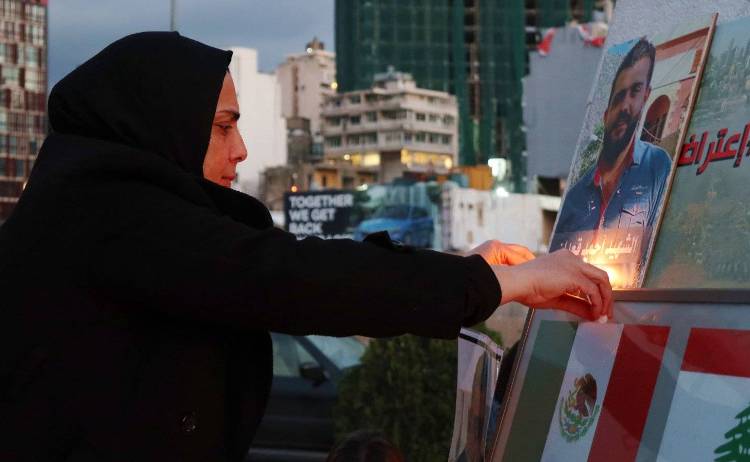
United Nations human rights experts have condemned the killing of three Lebanese journalists as a grave violation of international law and press freedom, calling for an immediate, independent international investigation into the incident.
The experts warned that the killings reflect a pattern of targeting journalists in conflict zones, raising alarm over growing risks faced by media workers covering armed conflicts in the Middle East.
Journalists Killed in Targeted Strike
The incident occurred on 28 March, when Israeli forces reportedly carried out a series of strikes on a vehicle near Jezzine in southern Lebanon, killing:
-
Ali Shoeib, reporter for Al Manar TV
-
Fatima Ftouni, reporter for Al Mayadeen
-
Mohamed Ftouni, cameraman
The journalists were on a reporting assignment at the time of the attack.
"Journalists carrying out their professional duties in armed conflict are civilians and must not be targeted," the experts said, stressing that such acts could constitute war crimes under international humanitarian law.
Strong Criticism of Justifications
UN experts sharply criticized claims that the journalists were linked to armed groups, stating that no credible evidence has been provided.
They noted that the only material cited by Israeli forces was reportedly a digitally altered image, which they described as insufficient and deeply concerning.
"We denounce what has become a dangerous pattern of targeting journalists and then making unsubstantiated allegations," the experts said.
Legal Protections for Journalists
The statement reaffirmed that under international humanitarian law:
-
Journalists are considered civilians
-
They retain protection unless directly participating in hostilities
-
Affiliation with a media outlet or dissemination of propaganda does not constitute combatant activity
The deliberate targeting of journalists not engaged in combat is therefore a serious breach of both human rights and humanitarian law.
Rising Death Toll and Pattern of Violence
The experts highlighted a broader trend of violence against media workers:
-
At least 259 journalists and media workers killed since 2023
-
Including 210 in Gaza and 14 in Lebanon
-
At least 64 cases appear to involve direct targeting
These figures underscore growing concerns about impunity and lack of accountability in attacks on journalists.
Calls for International Action
The UN experts urged:
-
The Government of Lebanon to preserve evidence and request an independent investigation
-
The international community to increase pressure to halt attacks on journalists
-
Countries advocating for press freedom to take stronger action
"States that champion media freedom cannot remain silent," the experts said.
Ending Impunity and Protecting Press Freedom
The experts emphasized that independent investigations are essential to:
-
Establish accountability
-
Deliver justice to victims' families
-
Prevent future violations
They also reiterated their readiness to support investigative efforts and confirmed ongoing communication with Israeli authorities.
A Broader Threat to Information and Accountability
Beyond individual cases, the experts warned that targeting journalists undermines the public's right to information, particularly in conflict settings where independent reporting is critical.
"The killing of journalists is not only an attack on individuals—it is an attack on truth and accountability," they said.
As conflict intensifies in the region, the call for accountability and protection of media workers is becoming increasingly urgent.


 Google News