

Türk Condemns Iran Crackdown as Executions, Mass Arrests and Internet Blackout Intensify
Describing the situation as “harsh and brutal,” Türk said Iranian authorities are increasingly using broad national security charges to suppress dissent, raising serious concerns about violations of fundamental human rights.
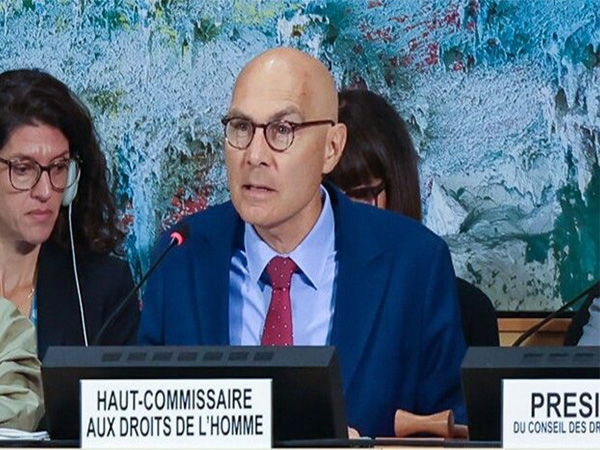
The United Nations High Commissioner for Human Rights, Volker Türk, has issued a stark warning over an escalating crackdown in Iran, condemning widespread executions, mass arrests, and severe restrictions on civil liberties amid ongoing geopolitical tensions.
Describing the situation as "harsh and brutal," Türk said Iranian authorities are increasingly using broad national security charges to suppress dissent, raising serious concerns about violations of fundamental human rights.
Executions and Arrests Surge Amid Conflict Fallout
According to UN estimates, at least 21 individuals have been executed in recent weeks, including:
-
Nine linked to the January 2026 protests
-
Ten accused of membership in opposition groups
-
Two on espionage-related charges
These developments come in the aftermath of joint Israeli-US strikes on Iran, which have further intensified internal repression.
"I am appalled that – on top of the already severe impacts of the conflict – the rights of the Iranian people continue to be stripped from them," Türk said.
Thousands Detained, Due Process Undermined
Since late February, more than 4,000 individuals have reportedly been arrested on national security-related charges. Many detainees, according to UN findings, have been subjected to:
-
Arbitrary detention and enforced disappearances
-
Torture and inhuman treatment
-
Coerced confessions, sometimes broadcast publicly
-
Denial of legal representation
Human rights groups warn that expedited trials and vague legal definitions are being used to fast-track convictions, including death sentences.
Alarmingly, some of those executed were reportedly convicted based on forced confessions obtained under duress.
Minorities and Activists at Heightened Risk
The crackdown appears to disproportionately affect ethnic and religious minorities, including:
-
Bahá'ís
-
Zoroastrians
-
Kurdish and Baluch communities
Prominent detainees include human rights lawyer Nasrin Sotoudeh, whose whereabouts remain unknown following her reported transfer, and Nobel Peace Prize laureate Narges Mohammadi, whose health is said to be deteriorating after suffering a heart attack in custody.
Türk warned that children and other vulnerable groups are also at risk under Iran's expansive national security laws.
Prison Conditions Described as "Dire"
The UN has raised serious concerns about detention conditions, describing prisons as severely overcrowded and lacking basic necessities.
"Detainees suffer from acute shortages of food, water, hygiene supplies, and medicine," Türk said, adding that many are denied access to medical care.
Recent incidents underscore the severity of conditions. In Chabahar Prison, at least five detainees were killed and 21 injured after security forces reportedly used lethal force to suppress protests over food shortages. In another facility, two detainees died in custody with indications of torture.
Asset Seizures and Digital Surveillance Expand Repression
Authorities are also intensifying pressure through mass asset confiscations, targeting both domestic and diaspora populations.
Reports indicate that assets belonging to approximately 675 individuals, including 400 Iranians living abroad, have been seized. Those targeted include public figures such as actors, athletes, executives, and journalists, accused of supporting foreign military actions or "hostile groups."
A newly introduced digital system, "Sahm," allows authorities to track and seize assets nationwide—raising concerns about the expansion of state surveillance and financial repression.
Prolonged Internet Shutdown Deepens Crisis
Adding to the crisis is a near-total internet shutdown lasting over 60 days, one of the longest recorded globally.
The blackout has:
-
Severely restricted access to information
-
Silenced independent media and dissenting voices
-
Disrupted economic activity and essential services
-
Isolated citizens from the outside world
"This is denying people access to vital information and inflicting enormous social and economic harm," Türk said, calling for the immediate restoration of connectivity.
Call for Immediate Action
The UN High Commissioner has urged Iranian authorities to take urgent steps, including:
-
Halting all executions and establishing a moratorium on capital punishment
-
Ensuring fair trials and due process protections
-
Releasing individuals arbitrarily detained
-
Ending torture and mistreatment in custody
-
Restoring full access to the internet
Türk emphasised that even in times of conflict, international human rights law remains binding, and certain rights—such as protection from arbitrary detention and the right to a fair trial—are non-negotiable.
A Growing Humanitarian and Rights Crisis
As conflict-related pressures intersect with domestic repression, observers warn that Iran is facing a rapidly deteriorating human rights situation with significant humanitarian implications.
The UN's intervention highlights mounting international concern that the current trajectory—marked by executions, systemic repression, and information blackouts—could further destabilise the country and deepen suffering among its population.


 Google News