

NZ Creates Mega Ministry Combining Environment, Housing, Transport and Regional Development
Under the new arrangements, the Ministry for the Environment will cease to exist as a standalone department and will instead become part of MCERT.
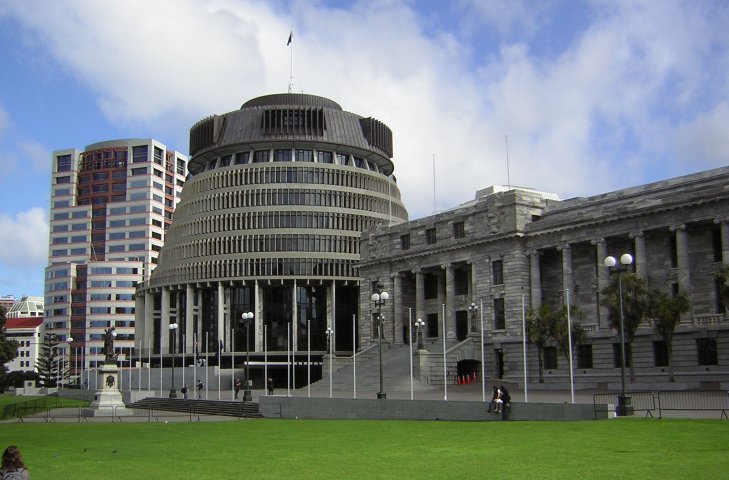
- Country:
- New Zealand
The New Zealand Government has passed legislation paving the way for the establishment of a powerful new government department that will combine responsibilities for housing, transport, urban development, regional growth, local government, and environmental policy under a single structure.
The new agency — the Ministry for Cities, Environment, Regions and Transport (MCERT) — is being presented by Ministers as a major reform aimed at improving coordination across infrastructure, planning, environmental management, and regional development.
The legislation marks a significant restructuring of central government administration and forms part of the Coalition Government's broader programme to streamline decision-making and accelerate economic growth and infrastructure delivery.
Legislation Clears Way for New Super Ministry
The Environment (Disestablishment of the Ministry for the Environment) Amendment Bill was required to formally enable the restructuring because the Ministry for the Environment is established through legislation.
Under the new arrangements, the Ministry for the Environment will cease to exist as a standalone department and will instead become part of MCERT.
The new mega ministry will combine:
-
The Ministry for the Environment
-
The Ministry of Housing and Urban Development
-
The Ministry of Transport
-
Local government functions currently managed by the Department of Internal Affairs
Officials say the goal is to bring together agencies that play a central role in shaping how New Zealand's cities, towns, and regions develop.
Government Says Reform Will Improve Coordination
RMA Reform Minister Chris Bishop said the new ministry is intended to support more integrated planning and faster delivery of infrastructure and development projects.
"MCERT will bring together key agencies that shape how our towns, cities and regions grow and develop," Bishop said.
He noted that the Ministry for the Environment was the only department involved in the merger that required legislative amendments in order for the restructuring to proceed.
The Government argues that combining these portfolios will reduce fragmentation between agencies and allow for more coordinated decision-making on issues such as:
-
Housing growth
-
Transport infrastructure
-
Urban planning
-
Environmental regulation
-
Regional development
-
Local government coordination
Environment Functions to Continue Under New Structure
Environment Minister Nicola Grigg said the legislation ensures that environmental responsibilities and statutory obligations will continue under the new ministry without interruption.
Under the new framework:
-
Statutory responsibilities under the Environment Act will transfer to the Secretary for the Environment
-
MCERT's chief executive will assume those responsibilities on behalf of the new department
"The Bill formally transfers the Ministry for the Environment's statutory functions under the Environment Act to the Secretary for the Environment," Grigg said.
"The new Ministry will continue to administer the Environment Act, with MCERT's chief executive carrying out the responsibilities of the Secretary for the Environment."
Government Promotes 'Joined-Up' Decision-Making
The Government says integrating environment, housing, transport, and regional planning into one ministry will improve policy alignment and reduce conflicting bureaucratic processes.
According to Ministers, the restructuring is intended to support:
-
Faster infrastructure delivery
-
Improved urban development planning
-
Better coordination between transport and housing growth
-
More practical environmental management
-
Stronger regional development strategies
"Environmental functions remain central to the work of the new department," Grigg said.
"Integrating these portfolios will support more practical and joined-up decision-making that both protects the environment and supports economic growth."
Major Structural Reform of Public Sector Administration
The creation of MCERT represents one of the most significant restructurings of New Zealand's public sector administration in recent years.
The move reflects the Government's broader agenda of reforming:
-
Resource management systems
-
Infrastructure consenting processes
-
Housing and urban development frameworks
-
Local government coordination
-
Environmental regulation
The Coalition Government has repeatedly argued that fragmented planning systems and overlapping agency responsibilities have contributed to:
-
Slow infrastructure delivery
-
Housing shortages
-
Delayed transport projects
-
Increased compliance costs
-
Complex consenting processes
Officials say the new ministry is intended to help address these challenges by consolidating key policy and delivery functions under a single structure.
Questions Likely Over Scale and Oversight
While the Government has promoted the restructuring as a way to improve efficiency and coordination, the creation of such a large multi-portfolio ministry is likely to attract scrutiny from opposition parties, local government leaders, environmental organisations, and public sector analysts.
Critics may raise concerns about:
-
Centralisation of power
-
Environmental oversight independence
-
Administrative complexity
-
Risks of conflicting priorities between development and conservation objectives
However, Ministers insist environmental protections will remain fully embedded within the new structure while enabling more balanced and pragmatic decision-making.
Focus on Growth, Infrastructure and Regional Development
The establishment of MCERT aligns closely with the Government's emphasis on:
-
Economic growth
-
Housing expansion
-
Infrastructure investment
-
Regional connectivity
-
Resource management reform
The Ministry is expected to play a central role in implementing future reforms to:
-
Urban planning systems
-
Transport infrastructure
-
Housing supply
-
Environmental management
-
Regional development policy
The legislation now clears the final legal hurdle for the formal establishment of the new ministry structure.


 Google News