

Deputy President Mashatile Leads Investment and Trade Mission to India
The partnership is increasingly viewed as an important pillar of cooperation between Africa and Asia, particularly in advancing the interests of developing economies on the global stage.
- Country:
- South Africa
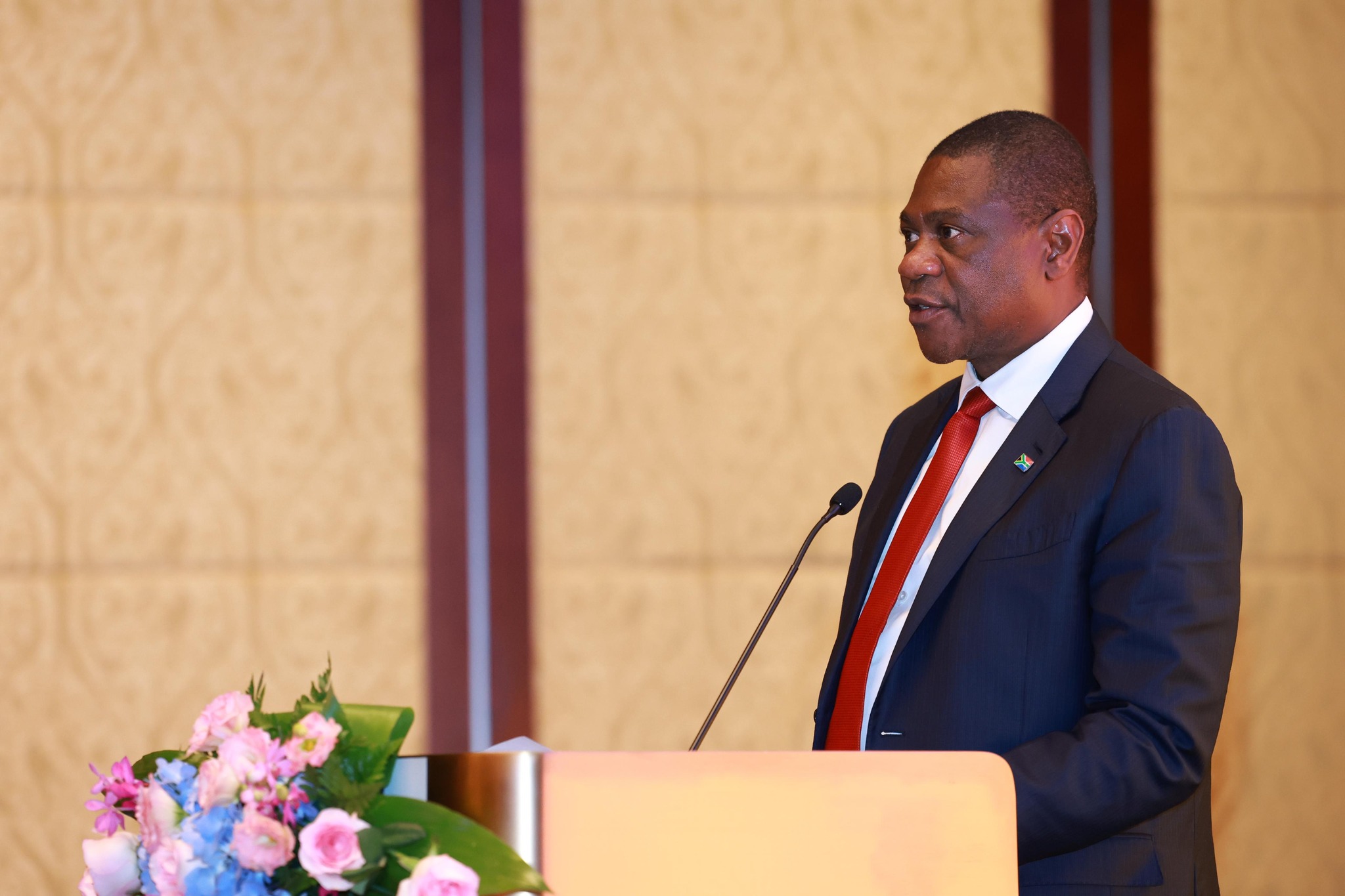
South Africa is seeking to strengthen its economic and diplomatic relationship with India as Deputy President Paul Mashatile undertakes a high-level working visit aimed at expanding trade, attracting investment and reinforcing cooperation between two of the developing world's most influential economies.
The visit, scheduled from 29 May to 3 June 2026, comes at a time when both nations are placing increasing emphasis on South-South cooperation, economic diversification and stronger partnerships among emerging markets. The mission is expected to provide a platform for engagement with business leaders, investors and policymakers while creating new opportunities for collaboration across multiple sectors.
As global economic dynamics continue to shift, South Africa and India are positioning themselves to play a more prominent role in shaping the future of the Global South through strategic partnerships, investment cooperation and multilateral engagement.
A Relationship Built on History and Shared Values
South Africa and India share one of the most enduring relationships among developing nations, rooted in a common history of anti-colonial struggles, democratic values and mutual support for social and economic development.
The relationship dates back more than a century, with historical ties strengthened through the work of Mahatma Gandhi, who spent over two decades in South Africa and developed many of the ideas that later shaped India's independence movement.
Since the end of apartheid, diplomatic and economic cooperation between the two countries has expanded significantly. Today, both nations maintain close political, cultural and economic ties, supported by regular high-level engagements and extensive people-to-people connections.
The partnership is increasingly viewed as an important pillar of cooperation between Africa and Asia, particularly in advancing the interests of developing economies on the global stage.
Strengthening Economic Cooperation
A major focus of Deputy President Mashatile's visit is expected to be the promotion of investment and trade opportunities between South Africa and India.
India is one of the world's fastest-growing major economies and represents an important source of foreign direct investment, technology transfer and business partnerships for South Africa.
The visit will include engagements with leading business executives and investors through a dedicated roundtable aimed at identifying opportunities for expanded cooperation in sectors such as manufacturing, technology, pharmaceuticals, renewable energy, mining, agriculture and digital innovation.
South African officials hope the discussions will encourage increased investment flows while creating new opportunities for businesses in both countries to access larger markets and strengthen supply chains.
Economic diplomacy has become an increasingly important component of South Africa's foreign policy strategy as the country seeks to attract investment that supports industrialisation, job creation and sustainable economic growth.
India's Growing Importance as a Strategic Partner
India has emerged as one of South Africa's most important economic partners over the past two decades.
Bilateral trade between the two countries has expanded steadily, covering a broad range of goods and services. South Africa exports minerals, agricultural products and manufactured goods to India, while importing pharmaceuticals, machinery, vehicles, chemicals and technology products.
Indian companies have also established a growing presence in South Africa across sectors including information technology, healthcare, automotive manufacturing, telecommunications and financial services.
At the same time, South African businesses are increasingly exploring opportunities within India's vast consumer market, which is home to more than 1.4 billion people and one of the world's largest middle-class populations.
Analysts believe that deeper economic integration between the two countries could unlock substantial benefits for both economies.
Advancing South-South Cooperation
The visit also reflects the broader commitment of both countries to strengthening cooperation among developing nations.
South Africa and India have consistently advocated for reforms to the global economic and financial architecture to better reflect the interests and priorities of emerging economies.
Both governments support greater representation for developing countries within international institutions and have worked together on issues ranging from climate finance and sustainable development to trade reform and technology cooperation.
Their shared commitment to South-South cooperation has become increasingly significant as developing countries seek to reduce economic vulnerabilities and diversify international partnerships.
Officials view stronger collaboration between Africa and Asia as essential for creating more balanced and inclusive global growth.
Cooperation Through Multilateral Platforms
South Africa and India maintain close cooperation through several influential international organisations and forums.
Both countries are members of BRICS, which has become an increasingly important platform for economic cooperation among major emerging economies. Through BRICS, South Africa and India collaborate on issues related to development financing, trade, infrastructure investment and global governance reform.
The two nations also participate in the Group of Twenty (G20), where they advocate for policies that support inclusive growth and sustainable development.
Additional platforms such as the India-Brazil-South Africa Dialogue Forum (IBSA), the Non-Aligned Movement (NAM) and the Indian Ocean Rim Association provide further opportunities for policy coordination and economic collaboration.
These multilateral engagements reinforce the strategic nature of the bilateral relationship and provide mechanisms for advancing shared priorities.
Focus on Technology and Innovation
Technology and innovation are expected to feature prominently during discussions in India.
India has established itself as a global leader in information technology, digital services, innovation and startup development. South Africa is increasingly interested in leveraging these strengths to accelerate its own digital transformation agenda.
Potential areas of cooperation include artificial intelligence, telecommunications, digital infrastructure, cybersecurity, fintech development and scientific research.
Strengthening partnerships in these sectors could help South Africa enhance competitiveness while creating opportunities for skills development and technology transfer.
Innovation-driven collaboration is also seen as critical for addressing development challenges and improving service delivery across both countries.
Healthcare and Pharmaceutical Cooperation
Healthcare represents another important area of collaboration between South Africa and India.
India is widely recognised as one of the world's leading producers of affordable pharmaceuticals and vaccines. During the COVID-19 pandemic, cooperation between the two countries highlighted the importance of strengthening health partnerships and ensuring equitable access to medical products.
Future collaboration may include pharmaceutical manufacturing, healthcare innovation, biotechnology research and public health initiatives.
Such partnerships could contribute to improved healthcare outcomes while supporting the growth of local pharmaceutical industries.
Opportunities in Renewable Energy and Infrastructure
As both countries pursue ambitious sustainability and infrastructure development goals, renewable energy and infrastructure investment are likely to remain key areas of engagement.
South Africa is seeking substantial investment to support its energy transition and expand renewable energy capacity, while India has become a global leader in solar energy deployment and clean energy technologies.
Partnerships in these sectors could help accelerate South Africa's efforts to improve energy security, reduce emissions and attract investment into strategic infrastructure projects.
Infrastructure cooperation may also extend to transport, logistics, digital connectivity and urban development initiatives.
High-Level Delegation Reflects Strategic Importance
The significance of the visit is underscored by the composition of the South African delegation accompanying Deputy President Mashatile.
The delegation includes senior representatives responsible for health, small business development, international relations, science and innovation, and communications and digital technologies.
Their participation highlights the broad scope of cooperation being pursued and signals South Africa's intention to deepen engagement across multiple sectors simultaneously.
The presence of economic and innovation-focused ministries also reflects the government's emphasis on investment promotion and technology-driven growth.
Looking Ahead
Deputy President Mashatile's visit to India comes at a critical time as both countries seek to strengthen economic resilience, expand investment opportunities and enhance cooperation among emerging economies.
The mission represents more than a routine diplomatic engagement; it reflects a strategic effort to deepen one of the Global South's most important partnerships.
As South Africa continues its drive to attract investment, create jobs and accelerate economic transformation, stronger ties with India could play a significant role in supporting these objectives.
The outcomes of the visit are expected to contribute to expanded trade, increased investment flows and deeper collaboration in areas ranging from technology and healthcare to infrastructure and sustainable development.
In an increasingly interconnected and rapidly changing global economy, the South Africa–India partnership is positioned to become an even more important driver of growth, innovation and cooperation for both nations and the wider Global South.


 Google News