

Africa Must Turn Heritage into Economic Powerhouse: Paul Mashatile Calls for Investment and Reform
Marking two decades since its establishment, Mashatile described the African World Heritage Fund as more than a financial mechanism—it is a symbol of Africa taking ownership of its heritage narrative.
- Country:
- South Africa
Africa's vast cultural and natural heritage must be repositioned from a preservation-focused domain to a core driver of economic growth, Deputy President Paul Mashatile has said, urging governments and investors to unlock its untapped potential through stronger partnerships and sustainable financing.
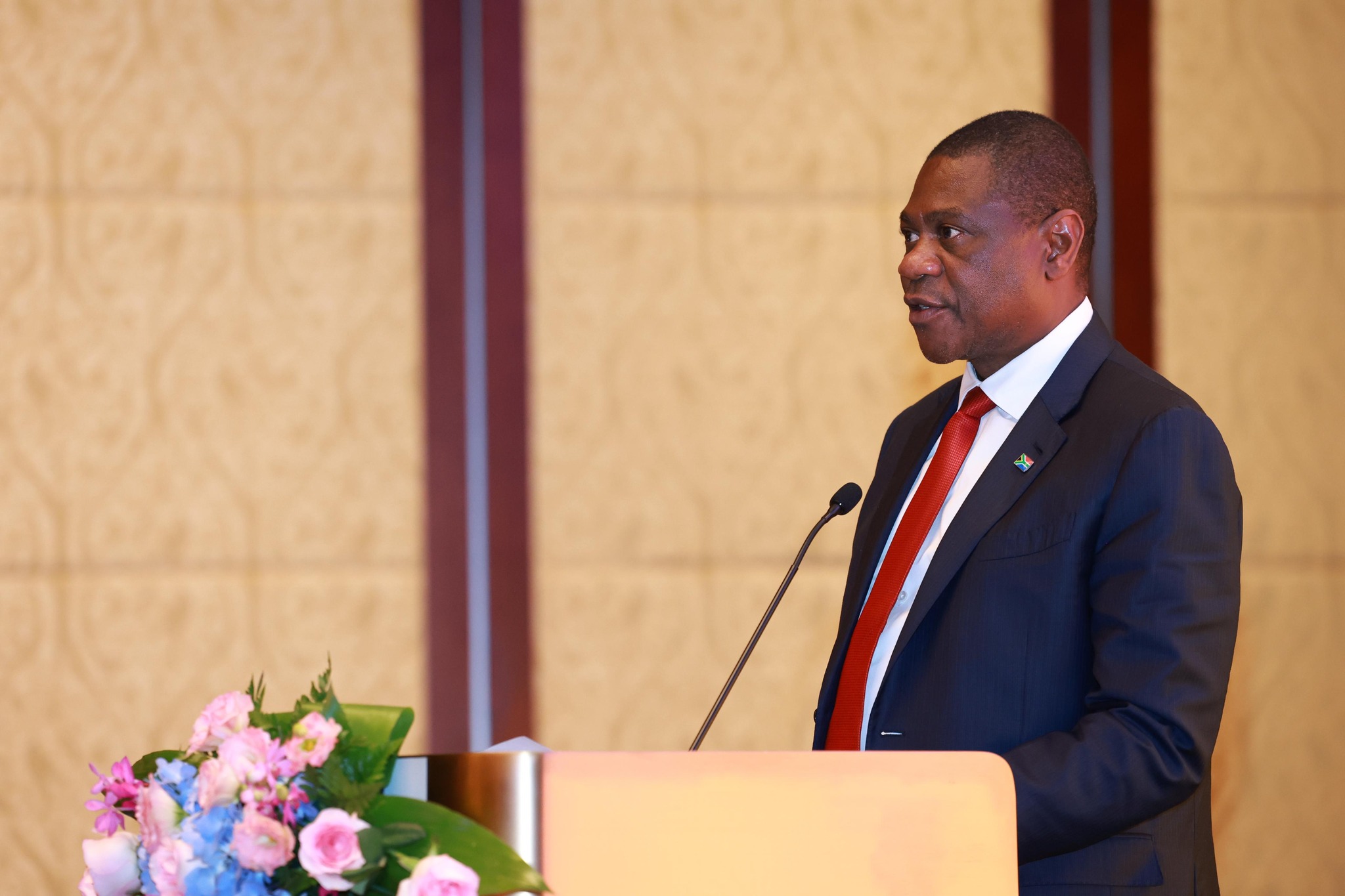
Delivering the keynote address at the 10th African World Heritage Day and marking the 20th anniversary of the African World Heritage Fund in Midrand, Mashatile made a compelling case for integrating heritage into mainstream economic planning.
"Heritage cannot exist in isolation… It must speak the language of investment, sustainability, and economic growth. Let me be clear: heritage is an economic sector," he said.
Heritage as a Catalyst for Jobs and Growth
Mashatile highlighted that Africa's heritage assets—ranging from historical sites to природных landscapes—hold immense potential to drive:
-
Tourism growth
-
Job creation across local communities
-
Entrepreneurship in crafts, conservation, and cultural industries
-
Regional economic diversification
"When managed effectively and financed sustainably, heritage strengthens national identity while enhancing Africa's global competitiveness," he noted.
Across the continent, heritage sites already support livelihoods for guides, artisans, conservators, and small businesses, but experts say the sector remains underdeveloped relative to its potential.
African World Heritage Fund: A Symbol of Continental Ownership
Marking two decades since its establishment, Mashatile described the African World Heritage Fund as more than a financial mechanism—it is a symbol of Africa taking ownership of its heritage narrative.
"The Fund is a declaration that Africa must define its future and take responsibility for preserving its past," he said.
Over the past 20 years, the Fund has contributed to:
-
A rise in the number of World Heritage sites in Africa
-
Expanded capacity-building initiatives
-
Training of thousands of heritage professionals
Persistent Challenges: Underfunding and Global Underrepresentation
Despite progress, Mashatile acknowledged that Africa still faces significant structural challenges:
-
Limited representation on the UNESCO World Heritage List
-
Chronic underfunding of heritage sites
-
Several countries lacking any global heritage recognition
-
Increased risks to sites due to neglect, climate change, and urbanisation
"Africa still accounts for a small proportion of the World Heritage List… many sites remain underfunded or at risk," he said, calling the situation a "clear call to action."
Push for $25 Million Endowment Fund
To address funding gaps, Mashatile backed efforts to mobilise a $25 million endowment fund aimed at securing long-term financial sustainability for heritage initiatives across the continent.
He called for:
-
Greater investment from development finance institutions
-
Increased private sector participation
-
Stronger government commitment
-
Deeper community involvement
Institutions like the Development Bank of Southern Africa (DBSA) were identified as key partners in driving investment into heritage-linked projects.
Integrating Heritage into Development Frameworks
A central theme of Mashatile's address was the need to integrate heritage into national and regional development strategies, rather than treating it as a standalone cultural issue.
He stressed that unlocking the sector's value will require:
-
Policy reforms linking heritage to tourism, infrastructure, and local economies
-
Innovative financing models
-
Cross-sector collaboration
-
Data-driven planning and global benchmarking
Heritage as Identity and Legacy
Beyond economics, Mashatile underscored the deeper significance of heritage as a foundation of identity and continuity.
"History will judge us on how well we protect what has been entrusted to us… and whether we pass it on stronger to future generations," he said.
A Continental Call to Action
The event, held during Africa Month, brought together policymakers, development institutions, and heritage experts to reflect on progress and chart a forward path.
Mashatile concluded with a call to reposition heritage as a pillar of Africa's future:
"Let us ensure that it serves as a foundation for development, a source of dignity, and a pillar of unity across our continent."
Towards a Heritage-Led Development Model
As global tourism shifts toward authentic cultural experiences and sustainable travel, Africa's heritage sector stands at a crossroads. With the right investments, policies, and partnerships, it could emerge as a powerful engine of inclusive growth.
The Deputy President's message is clear: Africa's past is not just something to preserve—it is a strategic asset to build the future.


 Google News