

SA Advances Energy Transition with R22 Billion LNG Development at Port of Ngqura
The project has already been designated a Strategic Integrated Project, highlighting its national importance and alignment with South Africa’s long-term energy and infrastructure development goals.
- Country:
- South Africa
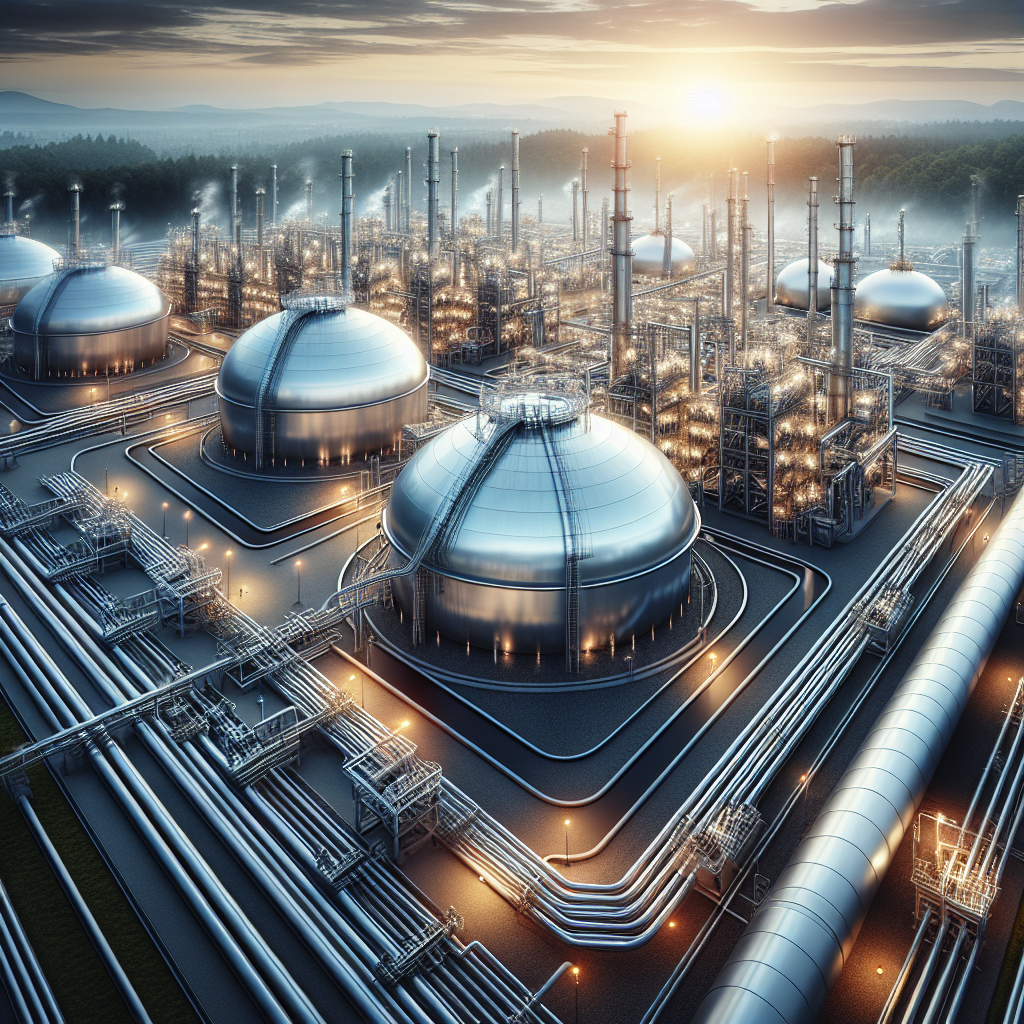
South Africa has taken a major step toward strengthening its energy security and supporting long-term economic growth with the signing of a landmark agreement to develop a large-scale liquefied natural gas (LNG) facility at the Port of Ngqura in the Eastern Cape.
The agreement between Transnet National Ports Authority (TNPA) and Ukwanda LNG paves the way for one of the country's most significant energy infrastructure projects, valued at approximately R22 billion. The initiative is expected to play a critical role in diversifying South Africa's energy mix, supporting industrial development and improving the reliability of electricity supply as the country continues its transition toward a lower-carbon economy.
The project has already been designated a Strategic Integrated Project, highlighting its national importance and alignment with South Africa's long-term energy and infrastructure development goals.
A Strategic Investment in South Africa's Energy Future
For years, South Africa has faced persistent electricity supply challenges that have affected economic growth, industrial productivity and investor confidence.
The government has therefore prioritised investments that can improve energy security while supporting the transition toward cleaner and more sustainable energy sources.
The development of the LNG facility at the deepwater Port of Ngqura represents a key component of this strategy. By creating new gas import and regasification infrastructure, the project is expected to provide a stable supply of natural gas that can be used for electricity generation, industrial applications and future economic development initiatives.
Officials view natural gas as an important transitional energy source capable of supporting renewable energy expansion while reducing dependence on more carbon-intensive fuels.
LNG Emerging as a Key Energy Solution
Liquefied Natural Gas has become an increasingly important component of energy strategies around the world.
LNG is natural gas that has been cooled to a liquid state, allowing it to be transported efficiently over long distances. Once delivered to its destination, it is converted back into gas through a regasification process and distributed to consumers and industries.
Many countries have adopted LNG as a way to diversify energy supplies, enhance energy security and reduce greenhouse gas emissions compared with traditional coal-based power generation.
For South Africa, LNG offers the potential to bridge the gap between current energy challenges and future renewable energy ambitions by providing reliable baseload power generation.
Supporting the Just Energy Transition
The project forms part of South Africa's broader Just Energy Transition programme, which seeks to balance environmental sustainability with economic growth and social development.
The transition involves gradually reducing reliance on high-emission energy sources while ensuring that communities, workers and industries continue to have access to affordable and reliable energy.
Officials have indicated that the LNG development will support a planned 6,000 MW gas-to-power programme, a critical component of South Africa's future energy strategy.
Gas-fired power generation is increasingly viewed as a flexible solution that can complement renewable energy sources such as solar and wind, which are dependent on weather conditions.
By providing reliable backup power when renewable generation fluctuates, natural gas can help improve overall grid stability.
Major Infrastructure Development at Port of Ngqura
A central element of the project involves the construction of dedicated LNG infrastructure at the Port of Ngqura.
Transnet National Ports Authority will invest approximately R2 billion in developing a specialised LNG berth capable of receiving and handling imported gas shipments.
The berth will serve as a critical gateway for LNG imports while supporting the operation of the broader energy infrastructure network.
Development of the port infrastructure will occur alongside the construction of extensive onshore facilities designed to process and distribute natural gas to various consumers.
The integration of maritime and land-based infrastructure is expected to create one of the most advanced LNG hubs on the African continent.
Temporary Floating Facility to Accelerate Supply
As part of the development plan, the project includes the deployment of a temporary floating LNG unit.
Floating storage and regasification units have become increasingly popular globally because they allow countries to access LNG supplies more quickly while permanent infrastructure is under construction.
These facilities can receive LNG cargoes, store the fuel and convert it into natural gas for immediate use.
The approach enables faster deployment of energy solutions while providing flexibility during the transition toward fully operational permanent infrastructure.
Experts note that such systems have helped several countries rapidly strengthen energy security in response to growing demand and supply disruptions.
Powering Thousands of Megawatts of Electricity
The LNG facility is expected to become a critical component of South Africa's future power generation landscape.
Officials estimate that the project will support approximately 3,000 MW of dedicated gas-to-power capacity while also enabling broader industrial energy use.
Additional infrastructure planned within the Coega Special Economic Zone is expected to facilitate the generation of around 3,500 MW of electricity.
This capacity could play a significant role in addressing electricity shortages while supporting industrial expansion and economic growth.
Reliable power generation remains one of the most important factors influencing investment decisions, industrial productivity and long-term economic competitiveness.
Unlocking Growth in the Coega Special Economic Zone
The project is also expected to serve as a catalyst for development within the Coega Special Economic Zone (SEZ), one of South Africa's largest industrial development areas.
Access to reliable energy infrastructure is often a decisive factor in attracting investment into manufacturing, logistics, technology and industrial operations.
The availability of natural gas could encourage the establishment of new industries while supporting the expansion of existing businesses operating within the zone.
Officials believe the project will enhance Coega's competitiveness as a destination for both domestic and international investors seeking strategic industrial opportunities.
The combination of port infrastructure, energy supply and industrial facilities creates a strong foundation for long-term economic growth.
Supporting Industry, Data Centres and Independent Power Producers
Beyond electricity generation, the LNG infrastructure is expected to support a wide range of economic activities.
Natural gas supplied through the facility will be available to industrial users, independent power producers, commercial enterprises and data centres.
As South Africa's digital economy expands, demand for reliable energy infrastructure is increasing, particularly among data-intensive industries that require uninterrupted power supplies.
Industrial consumers are also expected to benefit from access to cleaner and potentially more efficient energy sources that support manufacturing and processing activities.
This diversified customer base strengthens the project's long-term commercial viability.
Job Creation and Skills Development
The economic impact of the project extends beyond energy generation.
Construction activities are expected to create more than 500 jobs during the approximately three-year development phase.
Once operational, the facility will support at least 50 permanent positions while generating additional employment opportunities through associated industries, maintenance activities and supply chains.
Infrastructure projects of this scale often produce significant secondary economic benefits by stimulating local procurement, supporting small businesses and encouraging workforce development.
Officials expect the initiative to contribute to skills development and capacity building within the Eastern Cape region.
Public-Private Partnership Driving Development
The project represents a significant example of public-private collaboration in advancing national development priorities.
Through its partnership with Ukwanda LNG, Transnet National Ports Authority is leveraging private-sector expertise and investment while fulfilling its mandate to develop strategic infrastructure.
Public-private partnerships have increasingly become important mechanisms for financing and delivering large-scale infrastructure projects, particularly in sectors such as energy, transportation and telecommunications.
Such collaborations help accelerate project implementation while sharing risks and responsibilities between stakeholders.
Transforming South Africa's Ports into Energy Hubs
Industry observers note that the project signals a broader shift in the role of commercial ports within South Africa's economic development strategy.
Traditionally focused on trade and logistics, ports are increasingly being positioned as strategic infrastructure platforms that support energy security, industrial development and economic transformation.
The Port of Ngqura's evolution into a major LNG hub reflects this changing role.
By integrating energy infrastructure with logistics and industrial activities, South Africa can create more efficient and competitive economic ecosystems capable of attracting investment and supporting long-term growth.
Looking Ahead
The signing of the LNG terminal agreement marks a major milestone in South Africa's efforts to strengthen energy security, diversify its energy mix and support sustainable economic development.
With a projected investment of R22 billion, the project is among the most significant energy infrastructure developments currently underway in the country.
If successfully implemented, the LNG facility could become a cornerstone of South Africa's energy transition strategy, helping stabilise electricity supply while supporting industrial expansion and job creation.
For the Eastern Cape, the initiative promises new opportunities for investment, skills development and economic growth. For South Africa as a whole, it represents an important step toward building a more resilient, diversified and sustainable energy future.


 Google News