

UN Expert Praises Mongolia’s Progress on LGBT Rights While Highlighting Challenges
The Independent Expert commended Mongolia for developing an increasingly comprehensive legal and policy framework aimed at promoting equality and non-discrimination.
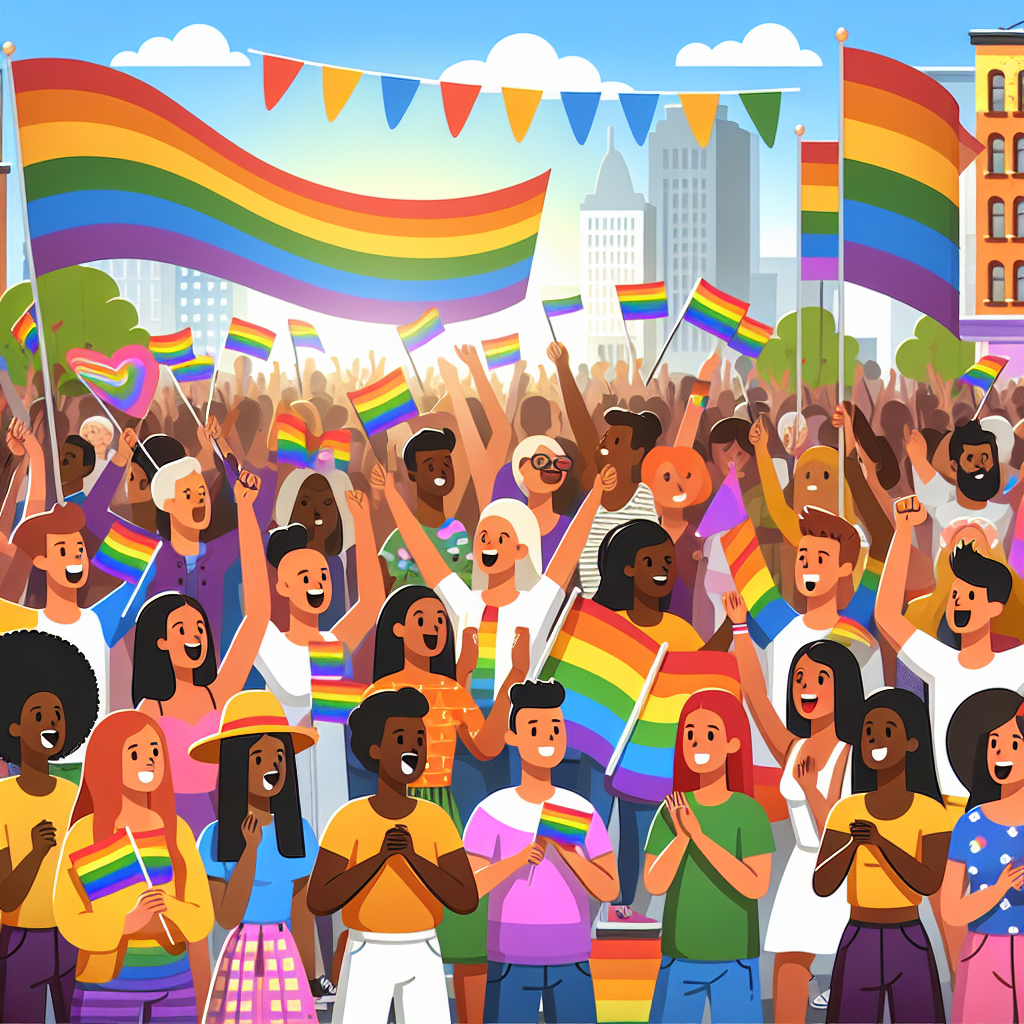
Mongolia has made significant progress in establishing legal and institutional protections for lesbian, gay, bisexual, and transgender (LGBT) people, according to a United Nations independent human rights expert, who has praised the country's commitment to equality while urging stronger efforts to ensure these protections are fully realized in everyday life.
The assessment was delivered by Graeme Reid, the UN Independent Expert on protection against violence and discrimination based on sexual orientation and gender identity, at the conclusion of an official visit to Mongolia. During his mission, Reid met with government officials, civil society organizations, human rights advocates, and members of the LGBT community to evaluate the country's efforts to prevent discrimination and protect the rights of individuals regardless of sexual orientation or gender identity.
While acknowledging the progress achieved in recent years, Reid emphasized that legal reforms alone are not enough. The next challenge, he said, is ensuring that existing protections are consistently implemented and effectively enforced so that all individuals can live free from discrimination, exclusion, and violence.
Strong Legal Foundations for Equality
The Independent Expert commended Mongolia for developing an increasingly comprehensive legal and policy framework aimed at promoting equality and non-discrimination.
Over recent years, the country has incorporated protections into several key areas of law and public policy. These include criminal law provisions addressing discriminatory conduct, labour legislation designed to protect workers from unequal treatment, and data protection measures intended to safeguard privacy and personal information.
Mongolia has also integrated principles of equality and inclusion into broader national development strategies, reflecting a growing recognition of the importance of protecting human rights for all members of society.
According to Reid, these legal and policy developments demonstrate a positive commitment by Mongolian authorities to building a more inclusive society and strengthening protections for vulnerable groups.
The expert also noted the constructive engagement shown by a range of government institutions and welcomed increasing openness among policymakers and public officials to discussions surrounding sexual orientation and gender identity issues.
Progress Accompanied by Persistent Challenges
Despite these advances, the UN expert highlighted several areas where challenges remain.
During his visit, Reid received reports of ongoing discrimination affecting LGBT individuals in various aspects of daily life. He expressed concern that many people continue to face prejudice, exclusion, and unequal treatment despite the existence of legal protections.
Instances of violence and harassment against LGBT individuals were also raised as areas requiring continued attention. Human rights advocates have long argued that fear of discrimination or retaliation can discourage victims from reporting abuses, making it difficult to fully assess the scale of the problem.
The expert noted that access to justice remains a significant challenge for some LGBT individuals. Legal protections may exist on paper, but barriers such as lack of awareness, social stigma, and institutional shortcomings can prevent people from effectively seeking remedies when their rights are violated.
According to Reid, closing the gap between legal standards and lived experiences will be essential for ensuring that equality is not merely a principle but a reality for all citizens.
Concerns Across Multiple Sectors
The Independent Expert identified several sectors where LGBT individuals continue to encounter difficulties.
Healthcare was highlighted as one area where discrimination and lack of understanding can affect access to services. Individuals may face stigma when seeking medical care or encounter healthcare systems that are not adequately equipped to address their specific needs.
Education was another area of concern. Reports indicate that some LGBT students continue to experience bullying, exclusion, or discrimination within educational settings, potentially affecting their wellbeing and academic performance.
Employment-related challenges were also discussed during the visit. Although legal protections exist, some individuals continue to face obstacles in hiring, workplace advancement, and professional development due to prejudice based on sexual orientation or gender identity.
Interactions with law enforcement authorities were similarly identified as an area where improvements may be needed. Building trust between LGBT communities and public institutions remains an important component of ensuring equal access to protection and justice.
Importance of Public Awareness and Institutional Training
Reid emphasized that legal reforms must be accompanied by broader societal efforts to address prejudice and promote understanding.
He stressed the importance of public education campaigns aimed at raising awareness about equality, human rights, and diversity. Such initiatives can help challenge stereotypes, reduce stigma, and foster greater acceptance within communities.
Institutional training was also identified as a key priority. The expert noted that public officials, healthcare workers, educators, law enforcement personnel, and other service providers should receive appropriate training to ensure that they can effectively uphold the rights of LGBT individuals and provide services without discrimination.
According to Reid, strengthening institutional capacity and promoting awareness can contribute significantly to building trust in public institutions and improving the everyday experiences of marginalized communities.
The Role of Civil Society
The UN expert highlighted the valuable role played by civil society organizations in advancing equality and supporting LGBT individuals in Mongolia.
Community groups, advocacy organizations, and human rights defenders often provide essential services, including legal assistance, counselling, awareness campaigns, and support networks. They also play a critical role in monitoring human rights conditions and advocating for policy improvements.
Reid underscored the importance of maintaining sustained dialogue between government institutions and civil society actors. Such cooperation can help identify challenges, develop effective solutions, and ensure that policies are responsive to the needs of affected communities.
Addressing Data Gaps
Another issue raised during the visit was the lack of comprehensive data regarding discrimination and violence affecting LGBT individuals.
Accurate data is essential for understanding the scope of challenges, measuring progress, and designing effective public policies. Without reliable information, governments may struggle to identify areas requiring intervention or evaluate the effectiveness of existing measures.
The expert encouraged efforts to improve data collection while ensuring that privacy and confidentiality are protected. Better evidence can support more informed decision-making and contribute to stronger human rights protections.
Looking Ahead
The visit forms part of the UN Human Rights Council's broader efforts to monitor and promote the protection of individuals from violence and discrimination based on sexual orientation and gender identity around the world.
The findings and observations gathered during the mission will contribute to a comprehensive report that Reid is scheduled to present to the UN Human Rights Council in June 2027. The report is expected to provide a detailed analysis of Mongolia's progress, challenges, and opportunities for further strengthening equality and human rights protections.
Observers note that Mongolia's experience reflects a broader global trend in which legal recognition of LGBT rights is advancing in many countries, while implementation challenges persist. Achieving substantive equality often requires long-term efforts that extend beyond legislative reform to include social change, institutional development, and public engagement.
Advancing Equality Through Action
Reid concluded his visit by recognizing Mongolia's achievements while encouraging continued efforts to bridge the gap between legal protections and practical realities.
The expert stressed that ensuring equal rights and opportunities for LGBT individuals requires sustained commitment from governments, institutions, civil society, and communities alike. Effective implementation of existing laws, stronger public education, improved access to justice, and enhanced institutional accountability will all play important roles in creating a society where everyone can live with dignity and without fear of discrimination.
As Mongolia continues to strengthen its human rights framework, the country's progress may serve as an important example of how legal reform, policy development, and social dialogue can work together to advance equality and inclusion for all citizens.


 Google News